Peabody Essex Museum Review
Art Museums · Salem, United States. The Peabody Essex Museum (PEM) in Salem, Massachusetts, stands as an institution deeply intertwined with maritime history, global trade, and cultural exchange. Its origins trace back to the early 19th century, rooted in the…
Art Museums · Salem, United States. The Peabody Essex Museum (PEM) in Salem, Massachusetts, stands as an institution deeply intertwined with maritime history, global trade, and cultural exchange. Its origins trace back to the early 19th century, rooted in the…
Best forMaritime history, ships, harbour heritage
Review focusCollection, setting, visitor experience
Historical Context
The Peabody Essex Museum (PEM) in Salem, Massachusetts, stands as an institution deeply intertwined with maritime history, global trade, and cultural exchange. Its origins trace back to the early 19th century, rooted in the East India Marine Society, an organization of sea captains who ventured beyond the Cape of Good Hope. The museum’s foundation embodies Salem’s prominence as a pivotal port city during America’s Age of Sail, a period that connected New England to diverse cultures worldwide through commerce and exploration. Over time, the museum has expanded its scope, incorporating a broad range of art and artifacts that reflect the interconnectedness of local and global histories. The museum's evolution mirrors shifting attitudes toward cultural preservation and interpretation, striving to balance the narratives of indigenous peoples, colonizers, traders, and artists. Today, it presents a unique blend of historical and contemporary perspectives, offering insight into the complexities of cultural contact and exchange over several centuries.
What You See on Arrival
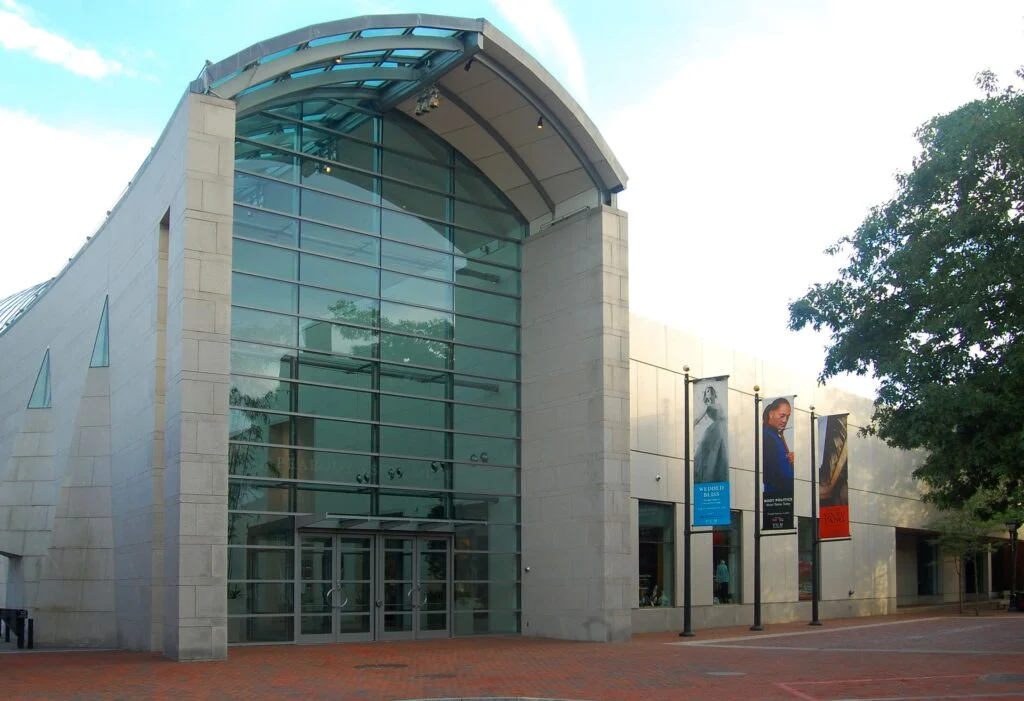
Approaching the Peabody Essex Museum, visitors encounter a striking architectural presence that harmonizes the city's historic and modern elements. The complex combines the 1821 East India Marine Hall with recent expansions that feature sleek glass and steel structures. This juxtaposition reflects the museum’s dual focus on heritage and innovation. The entrance area presents a welcoming yet sophisticated ambiance, with clear signage directing visitors to ticketing and information. The serene exterior plaza offers views of Salem’s historic district, subtly reminding visitors of the city’s maritime roots. The museum’s facade, while contemporary, integrates historical motifs and materials that pay homage to Salem’s rich past. As one steps inside, the transition from the urban exterior to the museum’s interior galleries is fluid, signaling the start of an immersive cultural journey. The blend of natural light and carefully conceived interior design creates an inviting atmosphere conducive to contemplation and exploration.
Highlights and Key Exhibitions
The Peabody Essex Museum’s collection is notable for its breadth and depth, encompassing Asian art, maritime history, American decorative arts, and contemporary works. One of the standout features is the extensive Asian art galleries, which display objects ranging from ancient Chinese ceramics to Japanese prints and Southeast Asian textiles. These galleries not only celebrate artistic craftsmanship but also narrate the long-standing trade connections between Salem and Asia. The maritime collection is equally compelling, showcasing ship models, navigational instruments, and artifacts that highlight Salem’s pivotal role in global seafaring. American decorative arts, including furniture, silver, and textiles from the 18th and 19th centuries, offer another facet of the museum’s narrative, illustrating domestic life and evolving tastes. The institution also dedicates space to Native American art and culture, emphasizing respectful representation and historical context. Throughout the year, the museum hosts temporary exhibitions and installations, which complement the permanent collections by exploring contemporary cultural dialogues and artistic innovation. The thoughtful curatorial approach ensures that these exhibits resonate with the broader themes of global exchange and cultural encounter.
Visitor Experience
The visitor experience at the Peabody Essex Museum is shaped by an emphasis on education, accessibility, and engagement. The museum’s layout facilitates a chronological and thematic exploration of the collections, allowing visitors to form connections across cultures and time periods. Interactive displays and multimedia presentations enhance understanding without overwhelming the traditional artifacts, striking a balance between modern technology and the preservation of historical ambiance. Docents and educational staff are available to provide contextual information and facilitate discussion, enriching the experience for diverse audiences. The museum’s café and gift shop offer quality amenities that cater to visitor comfort and interest, featuring locally inspired food and ethically sourced merchandise. Signage throughout the museum is clear and informative, supporting self-guided tours, while also accommodating group visits and school trips. Special programs—including lectures, workshops, and family activities—augment the museum's appeal, fostering an inclusive atmosphere that invites visitors to engage deeply with the material.
Tickets, Access, and Planning
Planning a visit to the Peabody Essex Museum is straightforward, with comprehensive information available on the museum’s official website. Admission fees are set at reasonable levels, with discounts for seniors, students, and children, as well as membership options that provide added benefits. The museum encourages advance ticket purchase, particularly during peak tourist seasons and special exhibitions, to ensure a smooth entry process. Accessibility considerations are well addressed, with wheelchair ramps, elevators, and accessible restrooms throughout the facility. The museum is attentive to visitors with sensory needs, offering resources and quiet spaces to enhance comfort. Public transportation options connect Salem’s downtown with nearby cities, and on-site parking is available for those arriving by car, although spaces may be limited during busy times. Visitors are advised to allocate several hours to fully engage with the museum’s extensive offerings, and to check the schedule for guided tours, special events, and temporary exhibitions that may coincide with their visit.
Final Verdict
The Peabody Essex Museum presents a compelling blend of historical depth, artistic richness, and thoughtful curation that makes it a vital cultural institution. Its unique location in Salem enriches the experience, providing a tangible connection to the maritime history and multicultural exchanges that shaped the region. While its architecture boldly bridges past and present, the true strength lies in the museum’s collections that balance global stories with local significance. The institution’s commitment to education and inclusivity ensures that it appeals to a broad audience, from casual visitors to scholars. Although the breadth of content may require a significant time commitment, the rewards are substantial for those seeking to understand the layered histories and artistic traditions that define the museum’s ethos. Overall, the Peabody Essex Museum is highly recommended for anyone interested in the intersections of art, history, and culture, providing a rich and nuanced perspective on the world’s interconnected heritage.