Asian Art Museum of San Francisco Review
Art Museums · San Francisco, United States. The Asian Art Museum of San Francisco stands as one of the premier institutions dedicated to the rich and diverse artistic traditions of Asia. Founded in 1966, it originated as an extension of the…
Art Museums · San Francisco, United States. The Asian Art Museum of San Francisco stands as one of the premier institutions dedicated to the rich and diverse artistic traditions of Asia. Founded in 1966, it originated as an extension of the…
Best forAncient history, archaeology, cultural heritage
Review focusObjects, context, exhibition design
Historical Context
The Asian Art Museum of San Francisco stands as one of the premier institutions dedicated to the rich and diverse artistic traditions of Asia. Founded in 1966, it originated as an extension of the city’s core dedication to world art, eventually establishing a specialized focus that highlights over 6,000 years of Asian culture. Situated in San Francisco, a city renowned for its cultural inclusivity and historic ties to Asian immigrant communities, the museum’s origins are deeply intertwined with regional demographics and global perspectives alike. The museum’s relocation in 2003 to the former San Francisco Masonic Auditorium marked a significant step in its evolution, providing a grand architectural setting that complements its extensive and varied collections. Its mission centers on fostering cross-cultural understanding and appreciation through art, offering visitors a chance to connect with the past and present of Asia’s multitudinous civilizations through visual storytelling and cultural artifacts.
What You See on Arrival
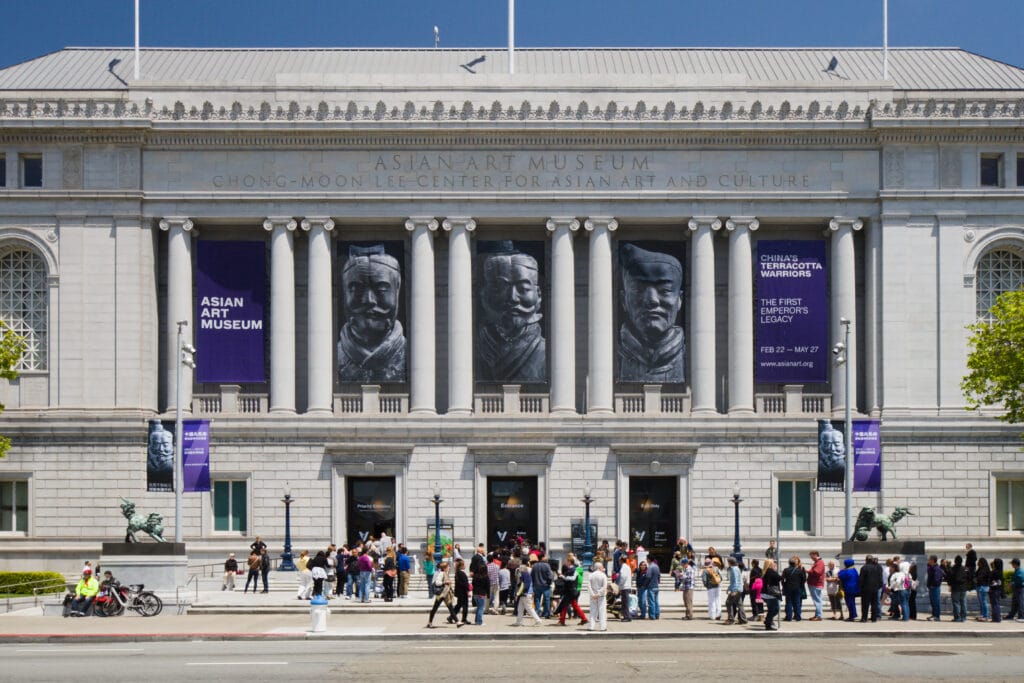
As visitors approach the Asian Art Museum of San Francisco, the building’s striking neoclassical facade immediately commands attention. The exterior, characterized by grand columns and expansive windows, provides a stately backdrop reflective of the museum’s prestigious contents. Upon entry, one is greeted by a spacious, light-filled lobby that serves as both an introduction and a threshold to the diverse cultural journey ahead. The architectural ambiance melds classical design principles with subtle Asian motifs, setting an elegant tone that resonates with the museum’s thematic focus. Informational signage and a welcome desk can be found centrally, assisting guests with orientation and providing context for current offerings. The flow from the lobby naturally guides visitors into the galleries, where a careful balance of open spaces and curated display cases prepares viewers to engage with artworks of varying scales and mediums.
Highlights and Key Exhibitions
The Asian Art Museum boasts an encyclopedic collection that spans numerous Asian cultures, including South, Southeast, Central, and East Asia, as well as the Himalayas and the Middle East. Among its most renowned pieces are exquisite Buddhist sculptures, delicate ceramics, intricate textiles, and calligraphy that showcase both traditional craftsmanship and evolving artistic practices. The museum’s holdings of Chinese porcelains, Indian bronzes, and Japanese prints are particularly strong, offering insights into the sophistication and aesthetic developments across centuries. Key permanent exhibitions are thoughtfully organized to trace historical narratives and artistic themes, such as religious iconography or dynastic art, while also presenting contemporary interpretations. The museum’s collection includes rare and emblematic pieces, such as Gandharan stone sculptures that illustrate early cultural exchanges along the Silk Road, and elaborate ceremonial objects from various Asian cultures. While temporary exhibitions rotate to highlight specific themes or contemporary artists, the permanent galleries provide a robust foundation for understanding Asia’s vast artistic heritage. This balance ensures that the museum remains both a place of deep archival importance and ongoing cultural dialogue.
Visitor Experience
Visitors to the Asian Art Museum can expect an intellectually enriched but accessible journey through Asia’s art history. The exhibits are arranged with clarity and depth, supported by clear labeling in multiple languages to accommodate a diverse audience. Audio guides and guided tours are available, enhancing the interpretative experience by providing stories and context that illuminate the significance of selected works. The museum’s educational programs, including lectures and workshops, extend engagement beyond the galleries, appealing to students, scholars, and casual visitors alike. The layout of the museum encourages a paced and contemplative exploration, with ample seating for rest and reflection throughout. Additionally, the museum incorporates thoughtfully designed interactive elements and multimedia presentations that invite deeper engagement without overwhelming the traditional display format. Staff members are noted for their hospitality and expertise, contributing to a welcoming atmosphere that encourages questions and discussion.
Tickets, Access, and Planning
The museum maintains a visitor-friendly ticketing system, with options for individual, family, and group admissions. General admission fees are reasonable considering the range and quality of the collection, and discounts are often available for seniors, students, and members of the military. Free admission days are periodically offered, making the collections accessible to a broader public. The Asian Art Museum is situated near public transportation routes, which is beneficial for those traveling without a vehicle, and paid parking facilities are also available nearby. Accessibility is a priority; the museum provides ramps, elevators, and accessible restrooms to accommodate visitors with mobility challenges. Additional aids, such as wheelchair rentals and braille guides, may be arranged to support diverse needs. The museum’s website offers comprehensive information regarding hours of operation, current exhibitions, group bookings, and educational programming to assist visitors in planning their visits efficiently.
Final Verdict
The Asian Art Museum of San Francisco represents a significant cultural resource, distinguished by the scope and quality of its collections, the thoughtful curation of its exhibitions, and its commitment to education and inclusion. It stands as a beacon of Asian artistic heritage in the United States, offering a rich tapestry of historical and contemporary art that appeals to both specialists and general audiences. While its grand neoclassical building provides an imposing and elegant setting, the true strength lies within its galleries, where centuries of artistic innovation and spiritual expression come alive. Although the museum’s focus is broad, it avoids the pitfalls of superficiality through careful scholarship and engaging presentation. Prospective visitors are encouraged to allocate ample time to absorb the nuances of the collection. In sum, this museum is a must-visit for those interested in Asia’s multifaceted art history or anyone seeking a profound cultural experience in San Francisco.