Shaanxi History Museum Review
History Museums · Xi'an, China. The Shaanxi History Museum, located in the ancient city of Xi’an, China, stands as a gateway to the rich and diverse history of the Shaanxi province, one of China’s most historically significant regions. Often…
History Museums · Xi'an, China. The Shaanxi History Museum, located in the ancient city of Xi’an, China, stands as a gateway to the rich and diverse history of the Shaanxi province, one of China’s most historically significant regions. Often…
Best forAncient history, archaeology, cultural heritage
Review focusObjects, context, exhibition design
Historical Context
The Shaanxi History Museum, located in the ancient city of Xi’an, China, stands as a gateway to the rich and diverse history of the Shaanxi province, one of China’s most historically significant regions. Often considered the cradle of Chinese civilization, Shaanxi was home to several ancient capitals, including Chang’an, the starting point of the Silk Road and the seat of multiple dynasties such as the Zhou, Qin, Han, and Tang. The museum’s establishment in 1991 was a response to the region’s vast archaeological treasure troves, offering a comprehensive narrative of Chinese cultural development spanning over one million years. It is noted for its vast collection of artifacts that trace China’s evolution from prehistoric times through to the height of imperial power. The museum plays a crucial role not only in preserving Shaanxi’s heritage but also in educating visitors on China’s broader historical and cultural legacy.
What You See on Arrival
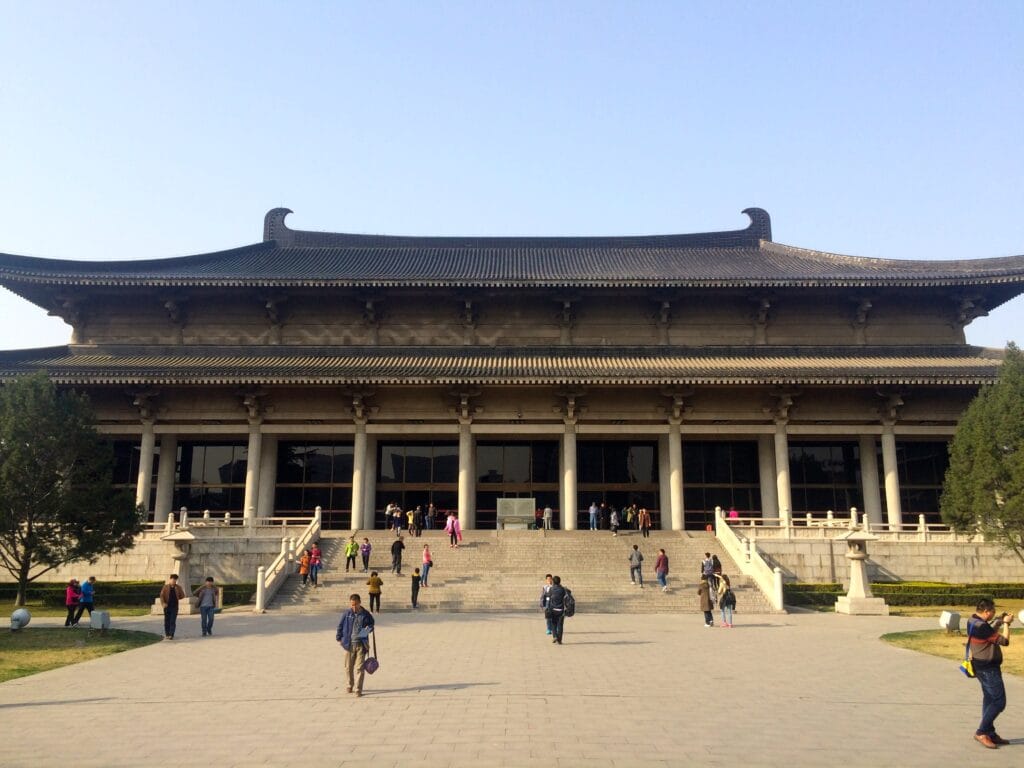
Upon approaching the Shaanxi History Museum, the imposing traditional Chinese architectural style of the building immediately commands attention. Designed to evoke the grandeur of the Tang Dynasty with its sloping rooflines, upturned eaves, and expansive courtyards, the museum’s facade is both elegant and authoritative. Visitors are greeted by carefully landscaped grounds, featuring stone pathways and water elements that harmonize with the building’s historic aesthetic. The entrance area is spacious and organized, facilitating a smooth transition from the outside world into a realm dedicated to history and culture. Signage is bilingual, making it accessible to a broad international audience, although a greater number of English informational panels might enhance the experience for foreign visitors. The entrance hall itself offers several contextual displays that provide a preliminary overview of the display themes within the museum, preparing visitors for the treasures that lie ahead.
Highlights and Key Exhibitions
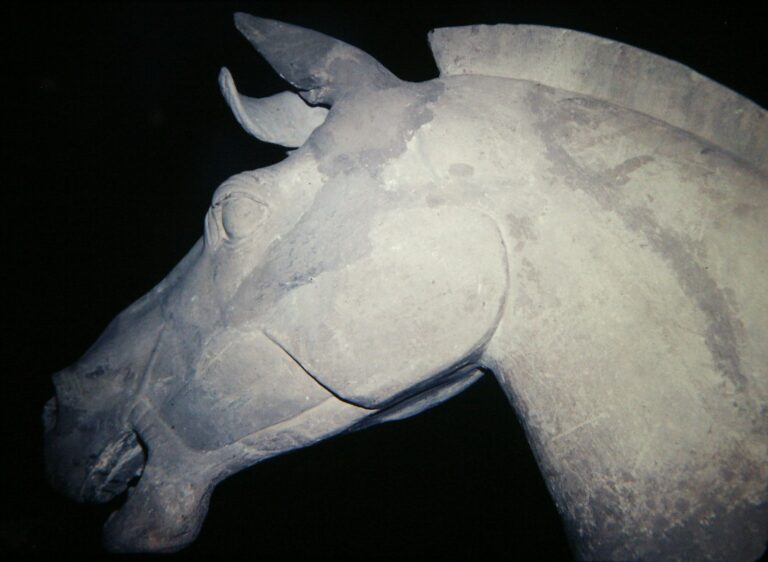
The core strength of the Shaanxi History Museum lies in its vast collection of artifacts, many of which originate from the region’s numerous archaeological sites. Early displays focus on Paleolithic and Neolithic periods, featuring exquisite pottery, stone tools, and jade ornaments that reveal significant aspects of prehistoric life in northwestern China. The section devoted to the Zhou and Qin dynasties draws special attention, including relics from the era that famously produced the Terracotta Army, although the museum itself houses replicas and related items rather than the original figures.
One of the most compelling exhibitions centers on the Tang Dynasty, considered a pinnacle of Chinese cultural achievement, particularly in Xi’an, formerly Chang’an. Here, visitors encounter intricately carved statues, ceramics, textiles, and religious artifacts that reflect the cosmopolitan and artistic spirit of the time. The museum also boasts an impressive collection of murals and fresco fragments excavated from the region’s tombs, richly illustrating court life, mythology, and religious beliefs.
Additional rooms offer insight into everyday life, military history, and the evolution of writing and calligraphy, all punctuated by rare and extraordinary finds such as ancient coins, seals, and Buddhist sculptures. The Shaanxi History Museum is noteworthy for the scope and quality of its permanent collections rather than temporary or rotating exhibitions, providing a steady and comprehensive overview of the area’s historical trajectory.
Visitor Experience
The visitor experience at this museum is generally positive but marked by some common challenges often faced by large institutions of this type. Exhibits are systematically arranged, enabling a logical progression through time, which aids in understanding the development of regional culture and historical context. Lighting and display techniques highlight the fine details in many fragile items, but some older presentations could benefit from updated interpretative materials and interactive elements to engage younger audiences more effectively.
English translations are present but sometimes sparse and limited to major pieces, which may restrict accessibility for non-Chinese speakers. Audio guides are available but not universally praised for clarity and depth. The museum employs a moderate level of security, which occasionally results in crowd control measures, especially during peak tourist seasons.
Public amenities such as rest areas, a café, and a museum shop enhance the visit, though the café options are basic, focusing primarily on traditional refreshments. The layout allows for both self-guided exploration and guided tours; however, reservations for guided tours can be essential during busy periods. Cleanliness and maintenance standards are commendably high, reflecting the institution’s commitment to preserving a dignified environment for its collections and visitors alike.
Tickets, Access, and Planning
The Shaanxi History Museum offers reasonably priced entry fees, with concessions available for students, seniors, and groups, aligning with the standard practices in Chinese cultural institutions. Ticket purchase is straightforward through both on-site counters and online platforms, although availability may vary during national holidays or peak tourist seasons, when advance booking is strongly recommended to avoid long queues or disappointment.
As a major cultural destination in Xi’an, the museum is well-served by public transportation, with several bus routes nearby and reasonable taxi access. For those staying in central Xi’an, the site is conveniently reachable within a short ride. Signage for directions in and around the city is adequate, but visitors unfamiliar with the area may benefit from guided assistance or pre-trip planning to navigate busy urban traffic effectively.
The museum is designed to accommodate visitors with disabilities, including accessible entrances and facilities, though the historic building style imposes certain architectural constraints. Adequate seating throughout the galleries assists those who require rest. The museum’s official website provides useful information about opening hours, ticketing, and current exhibits, but could be expanded to offer more in-depth visitor advice and virtual content.
Final Verdict
The Shaanxi History Museum occupies a significant place in the cultural landscape of Xi’an and China at large. It successfully consolidates a vast and varied collection that narrates the story of one of the most historically important regions in Chinese history through engaging and carefully curated exhibits. While some areas might benefit from modernization, particularly regarding interpretive aids and translation availability, the museum’s strengths lie in the authenticity and depth of its permanent holdings.
The architectural design of the museum itself enhances the overall atmosphere, creating an immersive environment that respects the historical narratives within. It provides a comprehensive educational experience for those interested in Chinese history, archaeology, and art, catering well to both scholars and casual visitors with a genuine interest in culture.
For travelers to Xi’an, the museum is an essential complement to other historical sites such as the nearby ancient city walls and the world-renowned Terracotta Warriors. It offers a rich context that deepens understanding of the region’s extraordinary past. Prospective visitors are advised to plan their visit carefully, considering seasonality and language support, but those who do will find the Shaanxi History Museum a rewarding and enlightening destination.