State Museum of History of Uzbekistan Review
History Museums · Tashkent, Uzbekistan. The State Museum of History of Uzbekistan in Tashkent serves as a vital repository and interpreter of the country’s vast and layered past. Its fundamental strength lies in its singular focus on the history…
History Museums · Tashkent, Uzbekistan. The State Museum of History of Uzbekistan in Tashkent serves as a vital repository and interpreter of the country’s vast and layered past. Its fundamental strength lies in its singular focus on the history…
Best forHistory lovers, cultural travelers, local heritage
Review focusHistorical collections, local context, and visitor planning
The Museum in Context
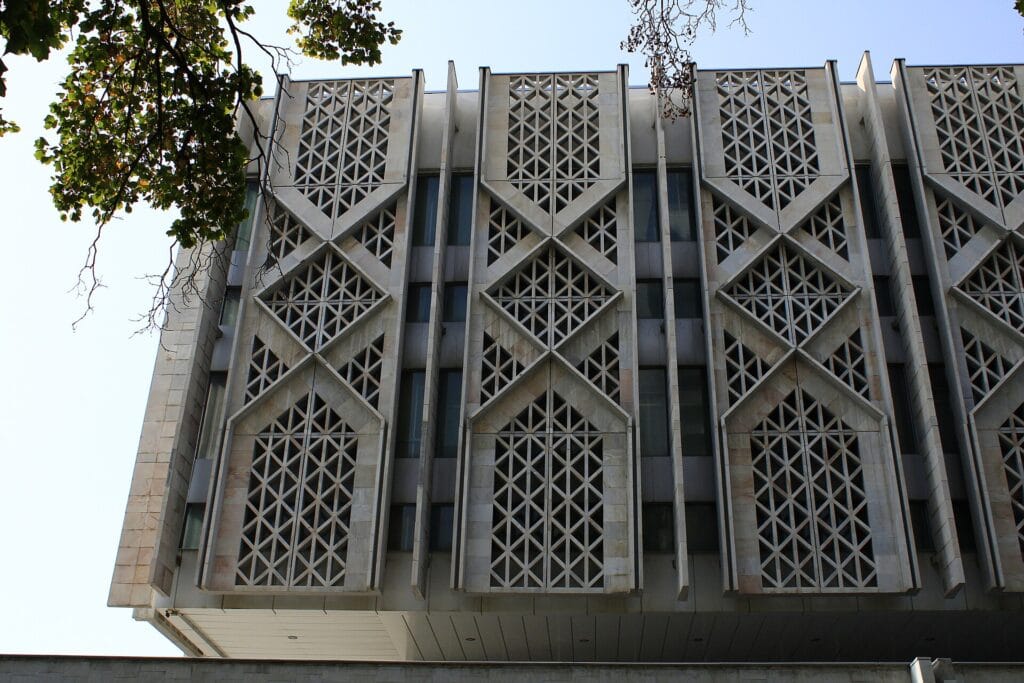
The State Museum of History of Uzbekistan in Tashkent serves as a vital repository and interpreter of the country’s vast and layered past. Its fundamental strength lies in its singular focus on the history of Uzbekistan, tracing developments from prehistoric times through medieval eras and into modernity. Unlike general history museums that split attention between national and global narratives, this institution channels resources into exploring the historical trajectory of one of Central Asia’s key cultural and political spaces. Uzbekistan’s position on the Silk Road and its repeated role as a crossroad for empires is a backbone theme that helps frame the museum’s collections and displays. The museum is housed in a Soviet-era concrete and glass building typical of its time, which constrains certain contemporary approaches to exhibition design but anchors the museum in the capital’s urban fabric.
Collections Worth Understanding
The collection holds around 250,000 items, giving it impressive scope but requiring careful selection for display. Archaeological finds from sites like Samarkand, Bukhara, and Khiva form the museum’s core, presenting the ancient cultures that inhabited the land before Islamic and later Turkic influences took precedence. Noteworthy are the ceramics, coins, jewellery, and religious artifacts that document thousands of years of settled life and trade. The museum also preserves manuscripts and documents shedding light on the Golden Age of the Timurid dynasty, an era that profoundly shaped both regional artistry and political organization. Another strength is the collection of ethnographic material, including traditional clothing, tools, and household objects, which reflect the diverse peoples who have contributed to Uzbekistan’s historical mosaic. While the museum does not have the scale to compete with broader national institutions beyond Uzbekistan, such as in Moscow or Istanbul, its focused array of artifacts provides concentrated insights into the nation’s evolving identity.
Presentation and Storytelling
Exhibition strategies lean heavily on chronological narrative, moving from prehistoric finds through Islamic dynasties to Soviet and post-Soviet periods. This clarity helps to maintain a historical coherence, but the display style remains somewhat traditional, often relying on glass cases brimming with objects accompanied by text panels in Uzbek and Russian. Interpretation emphasizes political events and ruling dynasties, which may overshadow social or cultural histories that might attract visitors less interested in leaders and more drawn to the everyday experience of the past. Visual and didactic creativity appears limited; multimedia and interactive elements are scarcely evident in available records, which narrows the potential for more dynamic storytelling. Still, some temporary exhibitions tested a more thematic approach, such as focusing on craft traditions or Silk Road trade networks, offering glimpses of a more varied interpretive palette.
The Experience on the Ground
While direct visitor experience details remain limited in publicly available sources, it is apparent that the museum functions as a significant educational resource within Tashkent. The setting inside a less architecturally distinctive building means that visitors should expect a straightforward museum environment rather than a landmark destination. Some practical information on visitor amenities is sparse, so it is advisable to verify operational details before planning a visit. The surface-level design of the permanent exhibition suggests a pace geared toward those with a solid foundational interest in regional history or studies, including scholars, students, or cultural visitors already conversant with Central Asian history. The museum's central location in Tashkent enhances its accessibility, but externally the surroundings do not extend the historic narrative or offer a site-related context, unlike museums embedded in historic buildings or archaeological parks.
Where the Museum Excels
Its deep commitment to tracing Uzbekistan’s historical continuity stands out, especially the archaeological and ethnographic collections, which highlight local discoveries and cultural persistence. Few other institutions in the region concentrate so intensively on Uzbekistan’s distinct history rather than focussing on broader Soviet or Islamic world histories. This offers a focused research and educational resource unmatched locally. The inclusion of numismatic collections adds a valuable dimension to understanding trade and economic history across centuries. In addition, the museum’s role in preserving and presenting Timurid-era artifacts contributes significantly to the understanding of Central Asian art and architecture, particularly relevant for specialists in Silk Road studies. By concentrating scholarly attention on particular epochs that shaped Uzbekistan’s contribution to regional development, the museum directs historical discourse in a purposeful way.
What to Know Before Visiting
Information on current opening hours, ticketing, guided tours, and accessibility is not comprehensive in readily available public sources. The museum website offers basic data, but interested visitors should confirm details before travel. This advice aligns with common practice in many institutions within the region, where updates to visitor services can be sporadic or seasonal. Foreign-language interpretation appears to be limited mostly to Russian and Uzbek, which may pose challenges for non-speakers wishing to engage fully with the exhibits. Those interested in specialized historical topics or the archaeology of Central Asia will find ample material to justify a visit. However, visitors looking for highly interactive or contemporary museum experiences could find the presentation conservative. Photography policies are not widely documented, so inquiries on site or through official channels are advisable if recording exhibits matters.
Our View
The State Museum of History of Uzbekistan occupies an important niche in Central Asian museology by focusing squarely on the nation’s history from ancient times to the present. Its strength is in the scope and authenticity of collections that document continuous human activity in the region, particularly archaeological and ethnographic artifacts dating back millennia. The museum’s approach is methodical and traditional, prioritizing a chronological display that serves well those seeking a structured and relatively comprehensive historical overview. The lack of interactive or innovative interpretative techniques reflects its fit within a national museum sector undergoing gradual transformation rather than leading it. While the architecture and visitor services may not enhance the visit dramatically, the collection’s clarity and concentration offer a valuable resource for students, scholars, and anyone seriously interested in Uzbek history or Silk Road cultures.
For those whose interest lies in broader museological trends or contemporary presentation styles, the museum will feel restrained, but its contribution to documenting Uzbekistan’s archaeological and political past remains solid. It stands apart from larger regional institutions by its clear focus and depth in a relatively narrow field, which is a strength for users who want detailed context on Central Asia’s historic core. Prospective visitors should prepare for a straightforward educational experience and arrange their visit with up-to-date logistical information in hand. The museum does not set out to compete with the more famous monuments or historic sites nearby but offers complementary inland perspectives on the progression of local life, rule, and culture.