Museum of Emperor Qin Shihuang’s Mausoleum Review
Archaeology Museums · Xi'an, China. The Museum of Emperor Qin Shihuang’s Mausoleum in Xi’an, China, occupies one of archaeology’s most significant and well-documented sites. Emperor Qin Shihuang (259–210 BCE) unified China, marking the start of the Qin dynasty, and…
Archaeology Museums · Xi'an, China. The Museum of Emperor Qin Shihuang’s Mausoleum in Xi’an, China, occupies one of archaeology’s most significant and well-documented sites. Emperor Qin Shihuang (259–210 BCE) unified China, marking the start of the Qin dynasty, and…
Best forMuseum lovers, culture travelers, first-time visitors
Review focusCollections, visitor experience, and practical planning
Historical Context
The Museum of Emperor Qin Shihuang’s Mausoleum in Xi’an, China, occupies one of archaeology’s most significant and well-documented sites. Emperor Qin Shihuang (259–210 BCE) unified China, marking the start of the Qin dynasty, and his tomb complex has attracted worldwide attention since its excavation in the 20th century. The site represents the aftermath of imperial ambition, where the grandiose burial customs of the time aimed to reflect power and immortality. It offers considerable insight into early Chinese society, military organization, funerary practices, and artistry. The mausoleum's centerpiece—a vast army of life-sized terracotta warriors and horses—was designed to protect the emperor in the afterlife, while the sheer scale of the tomb complex reflects centralized authority and monumental architectural achievements during the Qin dynasty.
Beyond the terracotta figures, the broader site includes remnants of palatial structures, burials, and artefacts revealing developments in metallurgy, pottery, and urban planning. The excavation and preservation efforts, ongoing since 1974, form a vital chapter in archaeological methodology, demonstrating a continuous balance between tourism, conservation, and scholarly research. The museum functions as the primary gateway for exploring this complex, providing both material evidence and contextual interpretation that connect visitors to one of China’s earliest imperial narratives.
What You See on Arrival
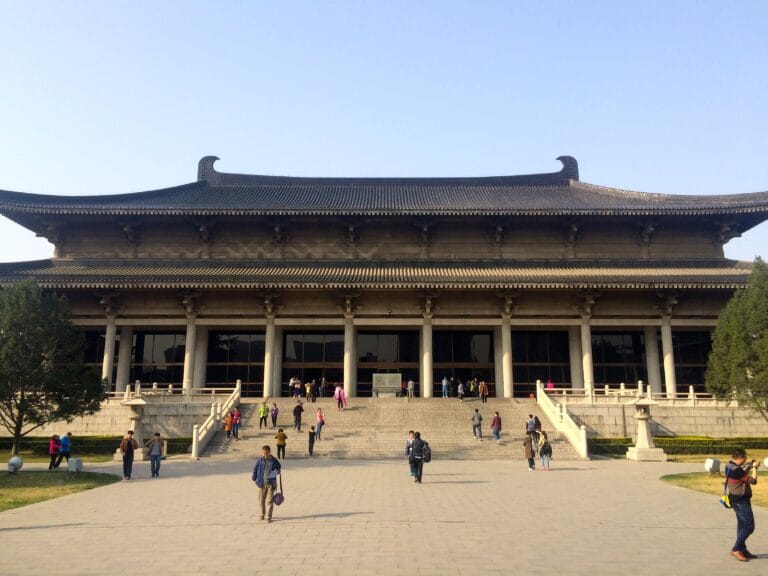
Upon approaching the Museum of Emperor Qin Shihuang’s Mausoleum, visitors encounter an extensive archaeological park that conveys both a sense of historical weight and cultural significance. The site identity is firmly rooted in the original tomb complex and the famed terracotta army pits excavated nearby. The museum buildings themselves are designed to strike a balance between modern exhibition facilities and a respectful nod to the traditional cultural context of the Qin period.
Visitors are met with clear orientations about where to begin, with the exhibition halls often arranged close to the principal excavation pits. The entrance area typically includes introductory panels, maps, and displays that set the scene—highlighting the tomb complex’s scope, layout, and the historical importance of Emperor Qin Shihuang himself. The museum architecture and outdoor areas emphasize a connection between the artifacts inside and the ongoing archaeological site outside, a reminder that the story presented is not static but one of ongoing discovery.
The framing underscores the death and power symbolism, the strategic significance of the Qin empire’s military might, and the local Shaanxi province’s cultural heritage. The museum presents itself as an educational locale geared toward archaeology enthusiasts and general visitors looking for a direct engagement with the origins of imperial China.
Highlights and Key Exhibitions
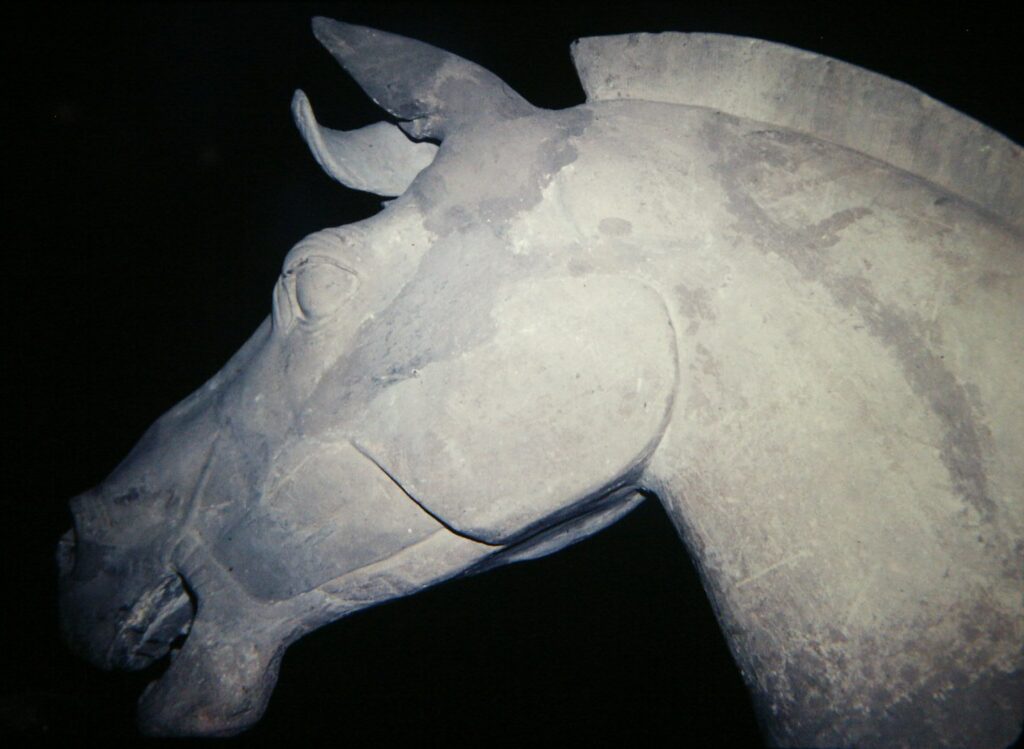
The museum’s standout feature remains the extraordinary Terracotta Army collection. Discovered in several pits, this group of thousands of life-sized clay soldiers, horses, chariots, and weapons offers a rare survival of Qin dynasty military artistry and funerary craftsmanship. The warriors demonstrate a variety of ranks, facial expressions, and hairstyles, highlighting meticulous individualization uncommon in mass production of antiquity. Alongside these figures are excavated weapons such as bronze swords, spears, and crossbows, many still remarkably preserved, providing physical evidence of Qin military technology.
The exhibition halls typically showcase several separate pits, each with its own distinctive grouping of figures. Visitors can view the main "Pit 1," famed for its vast scale and hundreds of warriors in battle formation, capturing the army’s organization. "Pit 2" features mixed infantry, cavalry, and charioteers, while "Pit 3" is believed to be the command post with senior officers and more specialized figures, although its excavation is less comprehensive. The proximity of these pits within the site amplifies the visitor’s understanding of the army’s composition and deployment.
In addition to the terracotta soldiers, the museum includes sections dedicated to the tomb mound itself, which remains largely unopened due to ongoing preservation challenges but is interpreted through archaeological findings and historical sources like Sima Qian’s Records of the Grand Historian. Exhibits cover various burial goods, including lacquerware, jade artifacts, and architectural models that illustrate Qin funerary customs and beliefs about death and the afterlife.
Another critical area explores Qin Emperor Shihuang’s policies and reforms that underpinned the empire’s unity—standardization of the script, currency, weights and measures—which provide a political and social context for the artifacts on display. This broadens the museum’s narrative beyond the tomb and its contents to consider the emperor’s impact on Chinese history.
The museum also examines the ongoing excavation work and conservation efforts, offering visitors a behind-the-scenes perspective on how archaeologists study and preserve this UNESCO World Heritage site. Displays often document the painstaking process of piecing together shattered figures and restoring fragile materials under controlled conditions, highlighting modern archaeological practice as an integral part of the museum’s mission.
Visitor Experience
The Museum of Emperor Qin Shihuang’s Mausoleum caters to a range of visitors, from those with a dedicated interest in archaeology and ancient Chinese history to tourists seeking a tangible link to a famous historical figure. Its layout generally encourages a chronological or thematic progression, allowing visitors to gain a layered understanding of the Qin dynasty's funerary environment. The scale of the terracotta army pits, combined with the museum’s interpretive material, anchors the visit in physical reality and historical context.
Interpretive panels usually integrate detailed explanations, photographs, and diagrams to help connect the artifacts and excavation techniques to their broader meanings. Some displays incorporate multimedia presentations that deepen understanding, although these elements vary in quality and availability, so checking the museum’s current visitor resources on the official website before arrival is advisable.
The pace of visit tends to be flexible. Visitors can spend extended time moving between pits and indoor halls, or focus on the most visually arresting elements. The open-air nature of several key sections means the museum experience can be affected by weather conditions and physical mobility considerations, which is a factor for some visitors.
A known limitation is that the main tomb chamber of Emperor Qin Shihuang remains unopened for public viewing, a decision rooted in preservation concerns. This means that some expectations about seeing the emperor’s final resting place unmet, but the museum addresses this gap through interpretive materials and archaeological displays that convey the tomb’s scale and symbolic purpose.
The museum’s extensive archaeological grounds may not be ideally suited for visitors with limited time or mobility challenges, but those with an interest in imperial China’s archaeology and history will find the range of material substantial and instructive. The combination of outdoor and indoor exhibits, alongside ongoing excavation updates, gives a nuanced sense of a complex heritage site under active research.
Tickets, Access, and Planning
Information about tickets, opening hours, discounts, and guided tours at the Museum of Emperor Qin Shihuang’s Mausoleum is subject to change and should be confirmed through the official museum website or local tourism resources before planning a visit. The size and importance of the site mean it can attract large visitor numbers, particularly during national holidays, so advanced planning is advisable to avoid peak crowds.
Access to the museum is through Xi’an, a major city with comprehensive transport links. However, reaching the actual mausoleum and terracotta army pits requires additional travel from the city center, usually via bus, taxi, or organized tour. Visitors with mobility needs should verify onsite facilities and routes, especially as much of the site involves uneven grounds and open-air areas.
The museum’s setting at a UNESCO World Heritage site means conservation measures limit certain types of interference or crowding around fragile areas, which can affect visitor freedom in some parts. Visitors intending to delve deeply into the site’s archaeological significance might consider supplementary reading or specialists’ guides due to the complex nature of the exhibits and ongoing research.
Final Verdict
The Museum of Emperor Qin Shihuang’s Mausoleum in Xi’an serves as an essential resource for those interested in one of China’s formative historical periods. It presents one of archaeology’s most extraordinary discoveries—the terracotta army—in a scale that few other museums can approach. The collection demonstrates technical skill and historical depth, allowing visitors to appreciate funerary art alongside broader imperial ambitions.
While the museum’s strengths are clear in its presentation of the terracotta soldiers and excavated artifacts, it does have limitations. The inability to access the main tomb chamber restricts the narrative’s completeness, and the physical scale and open-air nature pose challenges for visitors sensitive to weather or mobility. Some interpretative elements can feel basic if compared to museums with larger budgets for multimedia or interactive presentations.
Nevertheless, for those prepared to engage with a complex archaeological site and the weighty history it represents, the museum offers substantial material and contextual information. It suits visitors who prioritize historical artistry and cultural origins over highly polished visitor services or quick sightseeing experiences. The site underscores both the grandeur and the intricacy of early Chinese imperial power, delivering a focused but layered visit grounded in tangible heritage.
Potential visitors should consult the official channels for the latest practical information to tailor their visit according to their interests and physical needs. Overall, the Museum of Emperor Qin Shihuang’s Mausoleum remains a landmark institution for understanding the origins of imperial China, with significant value for historians, archaeologists, and curious travelers alike.