Fundació Joan Miró Review
Art Museums · Barcelona, Spain. The Fundació Joan Miró, located in Barcelona, Spain, stands as a significant cultural institution dedicated to the life and work of one of Catalonia’s most celebrated artists, Joan Miró. Established in 1975, the foundation…
Art Museums · Barcelona, Spain. The Fundació Joan Miró, located in Barcelona, Spain, stands as a significant cultural institution dedicated to the life and work of one of Catalonia’s most celebrated artists, Joan Miró. Established in 1975, the foundation…
Best forMasterpieces, architecture, cultural history
Review focusCollection highlights, building, visitor flow
Historical Context
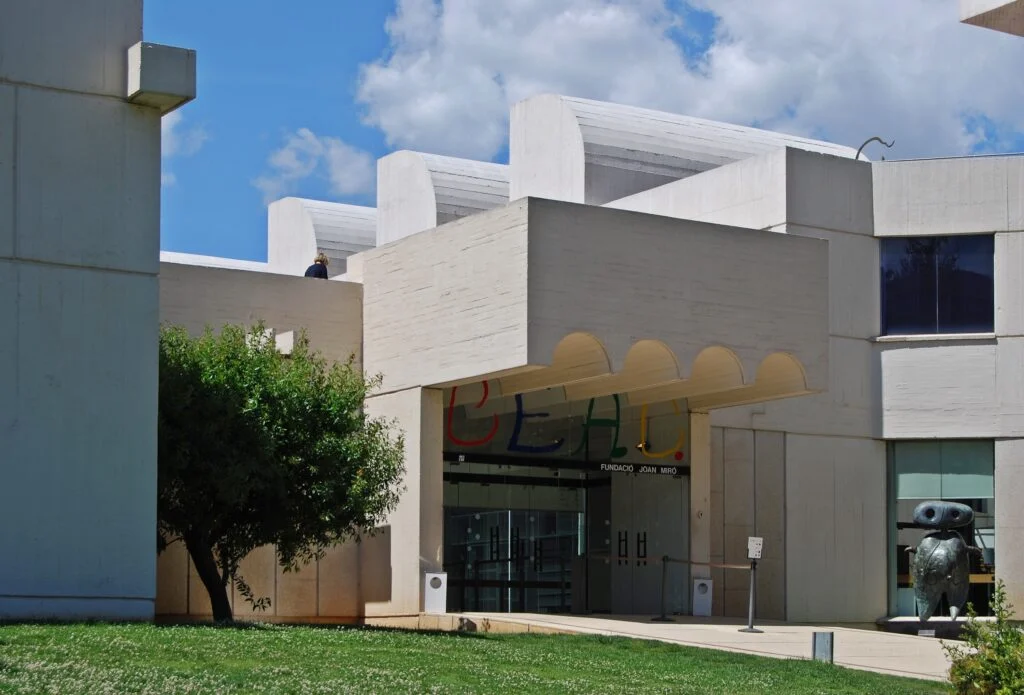
The Fundació Joan Miró, located in Barcelona, Spain, stands as a significant cultural institution dedicated to the life and work of one of Catalonia’s most celebrated artists, Joan Miró. Established in 1975, the foundation was founded with the intent to promote modern and contemporary art, as well as to preserve and exhibit Miró’s extensive body of work. Miró himself played a key role in the creation and conception of the museum, highlighting his commitment to fostering artistic innovation and experimentation. The museum not only serves as a repository for Miró’s paintings, sculptures, and graphic works but also as a hub for research and education focused on modern art movements. Architecturally, the building, designed by Josep Lluís Sert, reflects modernist principles and complements the artistic spirit with a spacious, light-filled environment. The Fundació Joan Miró is strategically situated on Montjuïc hill, providing visitors with both cultural enrichment and panoramic views of Barcelona, linking art with the city’s historical and geographical identity.
What You See on Arrival
Approaching the Fundació Joan Miró, visitors are immediately greeted by a structure that integrates seamlessly into its natural surroundings. The museum’s exterior is subdued yet elegant, constructed with clean lines and warm, muted tones that echo Mediterranean architectural traditions. The entrance is accessible via a series of terraces and gentle pathways that wind through Mediterranean flora, setting a contemplative mood even before entering the galleries. The museum’s setting offers spectacular vistas of Barcelona’s skyline, subtly reminding visitors of the connection between Miró’s work and the city’s cultural landscape. Upon entry, one encounters a spacious foyer and reception area, designed to be welcoming and functional, with clear signposting to the various exhibition spaces, the museum shop, and facilities such as restrooms and cafés. The immediate spatial organization encourages a fluid visit, allowing guests to navigate between permanent and temporary exhibitions with ease.
Highlights and Key Exhibitions
The permanent collection at Fundació Joan Miró comprises an impressive array of Miró’s artistic output, spanning from his early works influenced by Fauvism and Cubism through to his mature period characterized by vivid colors, biomorphic shapes, and groundbreaking techniques. Particularly striking are the large canvases that showcase Miró’s unique symbolic language, merging abstraction with playful surrealism. The sculpture garden, located outdoors, is a noteworthy highlight where visitors can experience three-dimensional pieces amidst natural light and greenery, underscoring Miró’s fascination with the interplay between nature and form. The museum also houses a significant collection of his graphic work, including prints and drawings, providing insight into his experimentation with line and texture.
Aside from the comprehensive Miró collection, the Foundation is dedicated to contemporary art exhibitions that often engage with thematic or formal dialogues with Miró’s legacy. These exhibitions provide a broader context, showcasing the influence of his visionary approach on subsequent generations of artists both locally and internationally. While specific temporary exhibitions are not detailed here, the museum’s programming is recognized for its high curatorial standards and for fostering critical conversations within the global art scene.
Visitor Experience
The visitor experience at Fundació Joan Miró is marked by thoughtful design and attentive services. The galleries are spacious and well lit, allowing for comfortable viewing conditions that are sensitive to the conservation needs of modern art. Interactive elements and educational materials are incorporated judiciously, enhancing understanding without detracting from the artworks themselves. The museum’s layout encourages a paced exploration; the transition from indoor galleries to the outdoor sculpture spaces offers variation that sustains visitor engagement.
Staff interactions generally reflect professionalism and a genuine enthusiasm for Miró’s work and modern art in general. Multilingual support is available, facilitating accessibility for international audiences. The on-site bookshop is well-curated, offering publications on Miró, modern art, and the Foundation’s activities, along with a tasteful selection of art-inspired gifts and souvenirs. Dining options include a café that provides light refreshments and a relaxed atmosphere, ideal for visitors to reflect on their experience.
Tickets, Access, and Planning
Access to the Fundació Joan Miró is facilitated by its location on Montjuïc, a site well connected to public transportation in Barcelona. The nearest metro or bus stops are within reasonable walking distance, though the uphill walk may be challenging for some visitors. Alternative transport options such as taxis or ride-sharing services are commonly used. The museum premises are designed to accommodate visitors with reduced mobility, offering ramps, elevators, and accessible restrooms, though it is advisable to check specific access needs prior to arrival.
Ticketing options typically include standard admission, with concessions for students, seniors, and local residents. Entry for children and young visitors is often free or discounted, reflecting the Foundation’s commitment to education and accessibility. It is possible to purchase tickets online, which is recommended during peak tourist seasons to avoid queues. The museum’s opening hours may vary seasonally and around public holidays, so planning ahead ensures the best experience. Guided tours and educational programs are often available, enhancing engagement for those wishing to delve deeper into Miró’s oeuvre and modern art themes.
Final Verdict
Fundació Joan Miró remains an essential destination for anyone interested in modern art, Catalan culture, or the avant-garde movements of the 20th century. Its carefully curated collection offers a comprehensive overview of Joan Miró’s prolific career, while its commitment to contemporary art fosters an ongoing dialogue with current artistic practices. The museum’s architectural setting and integration into the natural landscape of Montjuïc provide a serene and inspiring environment, enhancing the appreciation of Miró’s work.
While the uphill location may pose accessibility challenges for some visitors, the overall infrastructure and services work to mitigate these issues effectively. The combination of quality exhibitions, visitor amenities, and educational initiatives positions the Fundació Joan Miró as more than just a museum; it serves as a vibrant cultural center. In essence, the Foundation captures the spirit of Joan Miró’s artistic innovation and his enduring influence, making it a rewarding and enriching experience for a broad audience of art lovers and cultural tourists alike.