Museo Correr Review
Art Museums · Venice, Italy. The Museo Correr stands as a cornerstone institution in the rich cultural tapestry of Venice, Italy. Located in the iconic Piazza San Marco, opposite the famed Doge’s Palace, the museum offers a compelling narrative…
Art Museums · Venice, Italy. The Museo Correr stands as a cornerstone institution in the rich cultural tapestry of Venice, Italy. Located in the iconic Piazza San Marco, opposite the famed Doge’s Palace, the museum offers a compelling narrative…
Best forMasterpieces, architecture, cultural history
Review focusCollection highlights, building, visitor flow
Historical Context
The Museo Correr stands as a cornerstone institution in the rich cultural tapestry of Venice, Italy. Located in the iconic Piazza San Marco, opposite the famed Doge’s Palace, the museum offers a compelling narrative of Venetian art, history, and society, spanning several centuries. Established in the early 19th century through the generous bequest of Teodoro Correr, a Venetian nobleman and collector, the museum preserves a wealth of artifacts that trace Venice’s evolution from a maritime republic to a modern city. The collection reflects a variety of themes, including the city’s political history, its distinctive art and craftsmanship, and its role in shaping Mediterranean and European culture. As part of the civic museums of Venice, the Museo Correr is a centerpiece in understanding Venetian identity and heritage. The building itself, part of the Napoleonic Wing of the Procuratie Nuove, contributes to the narrative, placing visitors amidst the architectural grandeur that characterizes the political and cultural backdrop of the exhibits.
What You See on Arrival
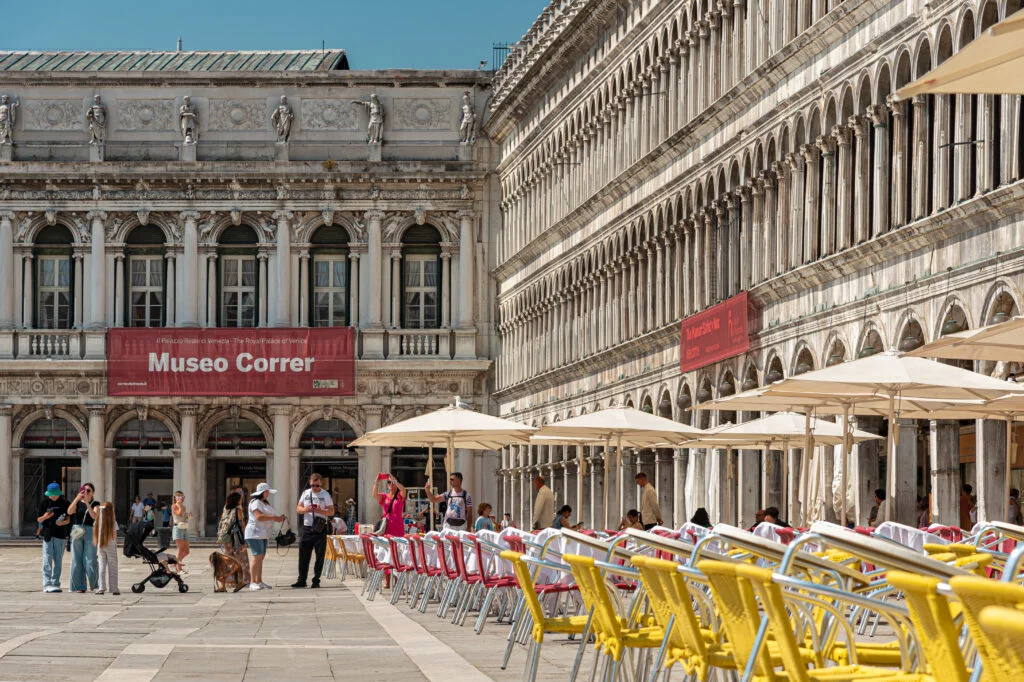
Approaching the Museo Correr situates visitors in one of Venice’s most emblematic squares, Piazza San Marco, where the museum’s grand façade complements a vista replete with historical and architectural significance. The entrance is housed in the Napoleonic Wing, a structure that anchors the eastern side of the square with its classical neoclassical style. Upon arrival, viewers are immediately surrounded by the imposing architectural features that reflect the grandeur of Venice’s past power and wealth. The first impression of the museum is one of elegance and solemnity, setting an appropriate tone for the historical and artistic journey inside. The proximity to other landmarks such as St. Mark’s Basilica and the Doge’s Palace reinforces the museum’s central location within Venice’s cultural heart, making it an essential part of exploring the city’s historic core.
Highlights and Key Exhibitions
Museo Correr’s collections are expansive, providing a detailed panorama from Venice’s golden age to its eventual decline. One of the key strengths of the museum is the historical section, where visitors can trace Venetian political history through documents, maps, and objects associated with the Republic’s governing bodies. The exhibits include detailed reconstructions and rich iconography that emphasize Venice as a maritime power.
Art lovers will find the museum’s holdings particularly rewarding with a diverse array of paintings, sculptures, and decorative arts. The collection boasts works by Venetian masters from the Renaissance and Baroque periods, whose styles and themes vividly illustrate the city’s unique cultural ethos. Significant among these are portraits and religious artworks that not only highlight artistic virtuosity but also offer insights into the socio-political contexts of their times.
The museum also includes sections dedicated to Venetian-style furnishings, arms, and currencies, adding layers of depth to the visitor’s understanding of daily life in different eras. A notable feature is the scale model of 18th-century Venice, which provides an impressive visual overview of the city’s layout and architectural heritage as it once stood. This model acts as an anchor, helping visitors contextualize the historical exhibits within the physical space of Venice.
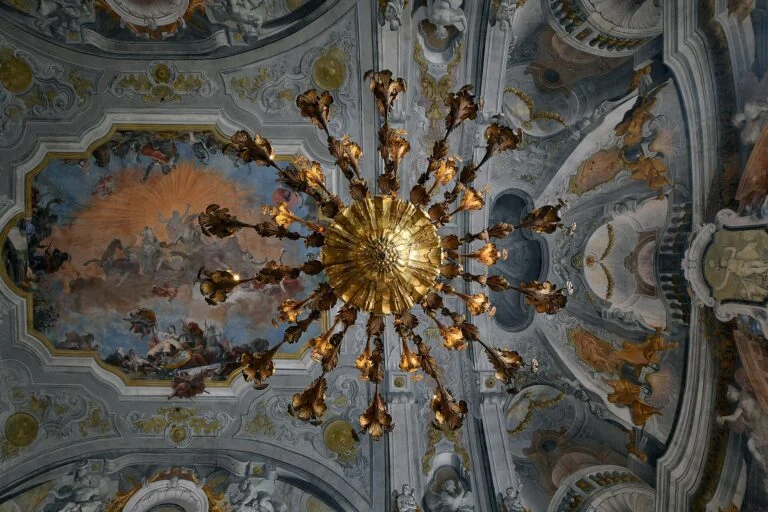
The Napoleonic Wing itself is an exhibition in architecture and design, hosting galleries that have been meticulously restored to reflect the splendor of the 18th and 19th centuries. This setting enhances the experience of the artifacts, creating an immersive dialogue between space and object.
Visitor Experience
Museo Correr offers a comprehensive, well-curated visitor experience, though it demands a degree of time and attention due to the breadth of its collections. The layout facilitates a chronological exploration of Venetian history, which can be navigated comfortably thanks to clear signage and informative panels. Texts are provided in multiple languages, aiding international visitors, although the specialist nature of some content might be best appreciated by those with a particular interest in Venetian history or art.
The lighting within the galleries is designed to balance preservation needs with the visibility of artworks, contributing to a contemplative atmosphere without feeling oppressive. The museum maintains a sense of tranquility despite its central, often busy, location, allowing visitors to engage thoughtfully with the exhibits.
While the permanent collections form the core experience, there is also access to a well-stocked museum shop featuring reproductions, art books, and local crafts, which extends the museum visit into a tangible souvenir experience. The museum café is situated with views of the square, offering a pleasant setting for reflection and refreshment.
Tickets, Access, and Planning
Access to Museo Correr is straightforward, given its prime location in Piazza San Marco, easily reachable by foot, vaporetto, or water taxi. For visitors planning their itinerary, it is important to note the museum’s opening days and hours, which align with standard European cultural institution schedules. Tickets can be purchased on-site or online, with options typically available for individual admission or combined tickets that include other civic museums in Venice, offering excellent value for those intent on a deep dive into the city’s historical offerings.
Accessibility measures are in place, with provisions for visitors with reduced mobility, including ramps and lifts, although the building’s age and historical nature might mean some areas are less easily navigable. Information regarding guided tours, audio guides, and educational services is available, enhancing the overall accessibility and learning potential.
Visitors should also consider the seasonal fluctuations in crowd size. The museum can become notably busy during peak tourist months, so early arrival or off-peak visits might provide a more serene experience. Planning ahead is advisable, especially for groups or those requiring special accommodations.
Final Verdict
Museo Correr plays an indispensable role in the narrative of Venice’s heritage, offering one of the most comprehensive and nuanced presentations of the city’s complex history and artistic legacy. Its location in Piazza San Marco positions it not just geographically but culturally at the heart of Venetian identity. The museum successfully balances historical artifacts, fine art, and architectural interest, making it attractive to a diverse audience—from history enthusiasts and art aficionados to curious travelers seeking a deeper understanding of Venice beyond its surface charm.
While the breadth and depth of the collection might challenge casual visitors with limited time, those willing to invest in a measured exploration will find the rewards substantial. The museum’s setting, curation, and interpretative resources all contribute to a meaningful educational experience. In a city famed for its visual and historical splendor, Museo Correr manages to distill and present Venice’s unique story with clarity and respect.
In sum, the Museo Correr is a treasure trove of Venetian culture and deserves a prominent place on the itinerary of anyone intent on comprehending the full spectrum of Venice’s past. It is a museum that not only preserves history but makes it accessible and engaging, ensuring that the legacy of La Serenissima is not only remembered but vividly experienced.