Tokugawa Art Museum Review
Art Museums · Nagoya, Japan. The Tokugawa Art Museum, located in Nagoya, Japan, is a cornerstone institution dedicated to preserving and presenting the cultural heritage of one of Japan's most influential samurai families, the Tokugawa clan. This lineage, especially…
Art Museums · Nagoya, Japan. The Tokugawa Art Museum, located in Nagoya, Japan, is a cornerstone institution dedicated to preserving and presenting the cultural heritage of one of Japan's most influential samurai families, the Tokugawa clan. This lineage, especially…
Best forScience, technology, hands-on learning
Review focusExhibits, interpretation, visitor flow
Historical Context
The Tokugawa Art Museum, located in Nagoya, Japan, is a cornerstone institution dedicated to preserving and presenting the cultural heritage of one of Japan's most influential samurai families, the Tokugawa clan. This lineage, especially during the Edo period (1603–1868), played a pivotal role in shaping Japan’s political, social, and cultural landscape. The museum houses the extensive collection that once belonged to the Owari branch of the Tokugawa family, a prominent line that ruled the Owari Domain. The artifacts within the museum span a broad range of art forms and materials, including samurai armor, swords, classical paintings, calligraphy, ceramics, and traditional textiles, offering visitors a glimpse into the refined tastes and martial prowess of the era’s ruling elite. The institution not only commemorates the legacy of the Tokugawa clan but also serves as an important cultural repository that contributes to understanding Japan’s feudal past and its intricate relationship with artistry and governance.
What You See on Arrival
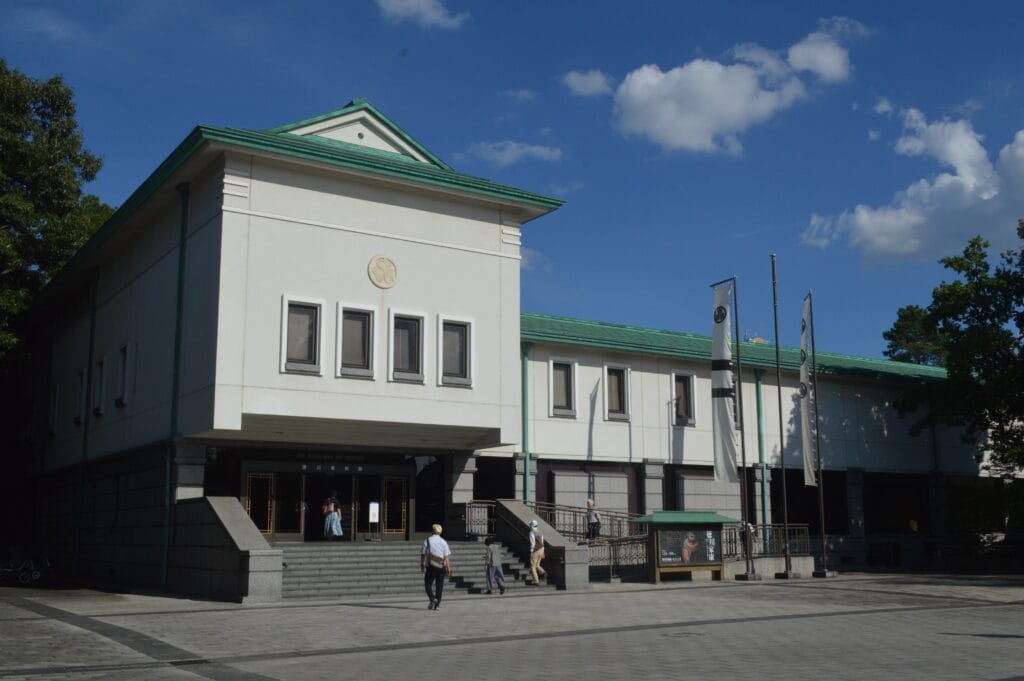
Upon approaching the Tokugawa Art Museum, visitors are welcomed by a carefully designed exterior that hints at the traditional aesthetic and historical weight contained within. The museum complex is situated in a sprawling garden setting, which enhances the overall atmosphere of tranquility and reflection. The architecture blends classical Japanese elements with modern museum design, providing an inviting yet dignified façade. Outside the main entrance, well-maintained walkways and greenery set a serene tone before one steps inside. The grounds themselves are an attraction, allowing guests to momentarily disconnect from the urban environment of Nagoya and immerse themselves in a more contemplative, historical space. The entrance area is straightforward, with clear signage and staff on hand to facilitate ticketing and enquiries, contributing to an accessible and organized initial impression.
Highlights and Key Exhibitions
The Tokugawa Art Museum’s permanent exhibition is the heart of its appeal, showcasing treasures that span centuries and cover various facets of samurai culture and aristocratic life. Among the most revered pieces are the intricately crafted samurai armor and weaponry, which not only demonstrate the artisanship but also speak to the tactical importance these objects once held. The museum’s extensive collection of Noh costumes and masks provides deep insight into the cultural patronage of the Tokugawa clan, connecting the dots between governance, performance art, and spirituality in Edo Japan.
Beyond martial artifacts, the museum houses a wealth of classical paintings and calligraphy demonstrating the high artistic standards of the period. Visitors encounter exquisite scrolls and screens painted with natural and mythological scenes, created by master artists commissioned by the family. These visual narratives serve both as artistic masterpieces and as historical documents reflecting the religious, social, and philosophical milieu of their time.
The textile collection is another remarkable aspect, with delicate silks and brocades that illustrate the luxurious lifestyle of the Tokugawa household. These textiles offer not only visual beauty but also an understanding of the symbolic importance of fashion and ceremony in feudal Japan.
Each display is curated to balance educational content with visual appeal, ensuring that both casual visitors and serious scholars find value in the presentations. The museum frequently incorporates explanatory plaques and displays in multiple languages, enhancing accessibility without diluting the complexity of the original materials.
Visitor Experience
The overall visitor experience at the Tokugawa Art Museum is one of quiet reverence and educational enrichment. The layout of the exhibition spaces encourages a natural flow from one thematic area to the next, allowing visitors to build a layered understanding of the Tokugawa legacy. The displays are well-lit and thoughtfully arranged to highlight key details of the artifacts, though some exhibitions rely heavily on glass cases which can sometimes result in glare or reflections that slightly hinder close viewing.
The museum also benefits from knowledgeable staff who provide helpful guidance and are ready to answer questions, fostering an atmosphere of engagement and discovery. The provision of audio guides and printed materials in several languages is commendable, although further expansion of these resources would enhance the overall inclusiveness for international visitors.
Complementing the exhibitions is the serene garden accessible around the museum grounds, which offers a peaceful interlude for reflection. This outdoor space features traditional landscaping elements such as streams, stone lanterns, and carefully pruned trees, making it a worthy part of the visit.
While the Tokugawa Art Museum does not boast the high-energy, multimedia features found in some contemporary museums, its strength lies in its authenticity and the quiet dignity of its displays. This is an environment well-suited to those with an interest in history, art, and Japanese culture seeking depth and authenticity rather than spectacle.
Tickets, Access, and Planning
Prospective visitors will find the Tokugawa Art Museum straightforward to access, given its location in Nagoya, a major city with excellent public transportation connections. The museum is reachable by local train and bus services, and the clear signage in English assists international travelers. Those arriving by car will appreciate the availability of on-site parking, though it is advisable to check the current capacity and any fees in advance.
Ticketing is generally uncomplicated, with standard admission prices that reflect the museum’s status as a specialist cultural institution. Discounts are often available for students, seniors, and groups, making it accessible for a wide demographic. Tickets can be purchased on-site, but there is also the possibility to buy them in advance via designated channels, a smart option during peak tourist seasons.
Visitors planning their visit should consider allocating at least two to three hours to fully explore the museum and stroll through the gardens. The museum is closed on certain days of the week and for national holidays, so checking the official website for the most current schedule is recommended. Amenities include a museum shop with a variety of related publications and souvenirs, as well as a small café that offers refreshments in a peaceful setting.
Final Verdict
The Tokugawa Art Museum stands out as a compelling destination for those interested in Japan’s historical and cultural heritage, particularly the Edo period and the samurai class. Its comprehensive collection offers rare access to objects of great artistic and historical significance, many of which remain closely tied to the identity of the Tokugawa family and their legacy in Nagoya.
Balanced in its presentation style, the museum successfully avoids overwhelming visitors with excessive detail, yet it does not shy away from presenting complex narratives about politics, art, and society. While it may not cater to those seeking highly interactive or modern exhibition techniques, its strengths lie in authenticity, depth, and an atmosphere of respectful elegance.
For travel enthusiasts, cultural scholars, and general visitors alike, the Tokugawa Art Museum represents a crucial link to Japan’s storied past, housed in a setting that encourages thoughtful engagement. In a city often overshadowed by larger cultural hubs, this museum offers a unique and enriching experience worth factoring into any itinerary centered on Japanese history and traditional arts.