Tokugawa Art Museum
Art Museums · Nagoya, Japan. The Tokugawa Art Museum, located in Nagoya, Japan, is a distinguished cultural institution dedicated to preserving and showcasing the rich heritage of the Tokugawa family, one of Japan’s most influential historical clans. This art…
Best forAncient history, archaeology, cultural heritage
Setting / nearbyNagoya, Japan, is a distinguished cultural institution dedicated to preserving and showcas
Overview
The Tokugawa Art Museum, located in Nagoya, Japan, is a distinguished cultural institution dedicated to preserving and showcasing the rich heritage of the Tokugawa family, one of Japan’s most influential historical clans. This art museum offers visitors a remarkable glimpse into the feudal era, presenting a unique collection that reflects the aesthetics, values, and traditions of the samurai class. As a repository of samurai culture and Japanese fine arts, the museum plays a vital role in educating the public about an important chapter in Japan’s history through its carefully curated exhibitions and meticulously maintained artifacts.
Collection Highlights
The Tokugawa Art Museum houses a vast and varied collection of art and historical objects that once belonged to the Owari branch of the Tokugawa family. Among the standout pieces are exquisite samurai armor and weaponry, which illustrate the craftsmanship and artistry behind the tools of warfare and ceremonial regalia of the samurai. Visitors can also explore a collection of traditional Japanese paintings spanning several centuries, including scrolls and screens adorned with intricate brushwork and motifs reflecting seasonal changes, nature, and folklore.
Calligraphy and literary works form an essential part of the collection, encompassing ancient manuscripts, poetry, and illustrated books that highlight the intellectual pursuits and cultural refinement prized by the Tokugawa clan. Of particular note are the Noh costumes and masks, which offer insight into this classical Japanese theatrical tradition closely connected to court culture.
The museum also displays a wide array of ceramics, lacquerware, and textiles, each piece exemplifying the high aesthetic standards and technical mastery of artisans commissioned by or connected to the Tokugawa lineage. Collectively, these artifacts provide a comprehensive picture of life and art during the Edo period (1603–1868), encapsulating the tastes and lifestyle of Japan’s feudal elite.
Building and Setting
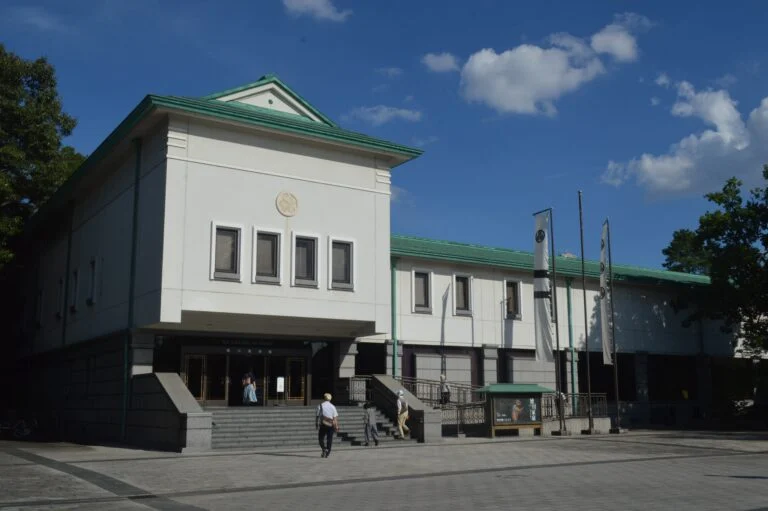
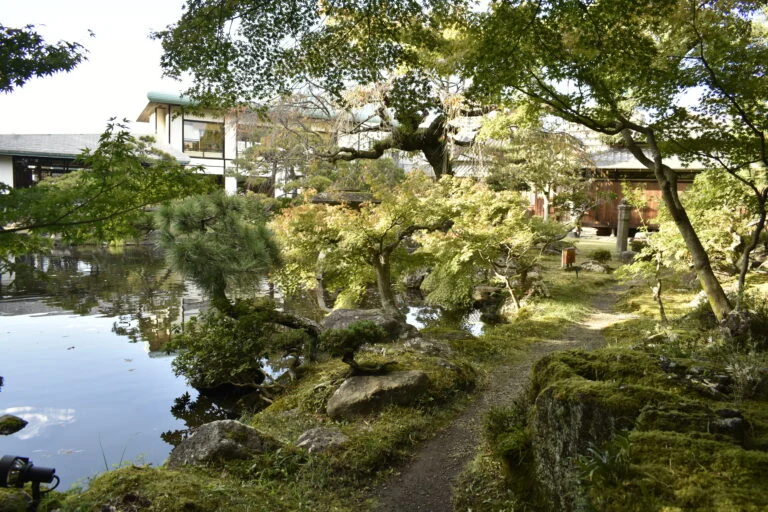
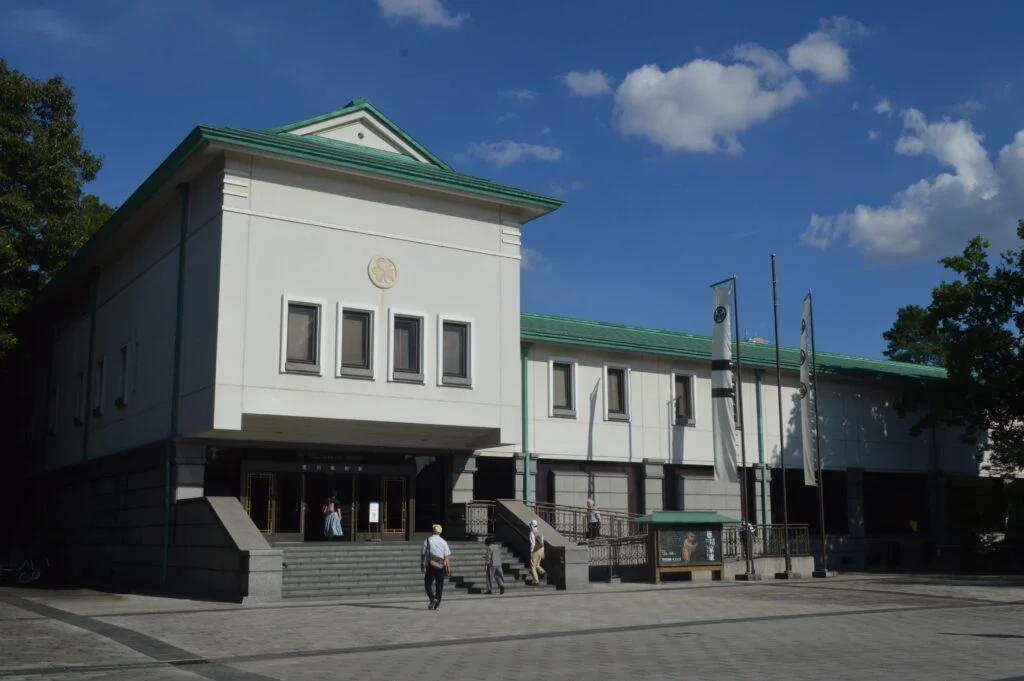
The Tokugawa Art Museum is situated within a tranquil and carefully designed environment that complements its cultural offerings. The museum’s architecture respects traditional aesthetics while incorporating spaces that allow the exhibited works to be appreciated in an atmosphere of calm reflection. The building often stands as more than just a container for art; it is an integral part of the visitor experience, promoting a sense of harmony with the surrounding gardens.
The museum grounds feature classic Japanese landscaping, including manicured gardens that offer seasonal beauty and a serene setting for contemplation before or after viewing the exhibitions. This harmonious relationship between the museum building and its natural surroundings echoes the interconnectedness of art, nature, and daily life in traditional Japanese culture. Visitors benefit from the peaceful ambiance, which enhances the appreciation of the historical treasures within.
Practical Information
The Tokugawa Art Museum is located in Nagoya, one of Japan’s major cities, making it accessible by various transportation options. While planning a visit, it is advisable to check the official website for the most current information on opening hours, admission fees, and any special exhibitions or events that may influence access. Policies and opening times can occasionally change, so verifying details close to your visit ensures a smoother experience.
The museum offers facilities that enhance accessibility and visitor comfort, including guided tours, multilingual information resources, and amenities for those with mobility considerations. Photography policies are generally restrictive to protect sensitive artifacts, so visitors should be prepared to comply with guidelines during their visit.
Nearby, other cultural landmarks and dining options contribute to making a day at the museum part of a broader exploration of Nagoya’s rich cultural landscape. Planning ample time for both the museum and surrounding attractions can result in a rewarding and immersive cultural experience.
Why Visit
A visit to the Tokugawa Art Museum presents a unique opportunity to connect with Japan’s feudal past through a richly layered collection that brings the artistry and history of the Edo period to life. The museum’s dedication to preserving samurai culture in its many forms—from armor and weaponry to paintings, textiles, and Noh theatre artifacts—offers an incomparable look at a way of life that shaped modern Japan in countless ways.
Beyond its historical and artistic importance, the museum provides an educational and contemplative experience, inviting visitors to appreciate the skill and beauty of objects that are seldom seen outside of carefully protected collections. The quiet elegance of the museum’s setting further deepens the visitor’s engagement, making it a destination that appeals not only to scholars and enthusiasts of Japanese history but also to those who appreciate art, culture, and heritage in a broad sense.
For those interested in understanding the cultural foundations of Japan and enjoying serene surroundings that foster thoughtful reflection, the Tokugawa Art Museum stands as an essential destination in Nagoya. It offers a timeless journey into the past, enriched by artistry and tradition, encouraging a deeper appreciation of Japan’s historical legacy.