Milwaukee Art Museum Review
Art Museums · Milwaukee, United States. The Milwaukee Art Museum, located in Milwaukee, Wisconsin, represents a significant cultural institution in the Midwest, reflecting over a century of art collecting, display, and public engagement. Founded in 1888 as the Milwaukee Art…
Art Museums · Milwaukee, United States. The Milwaukee Art Museum, located in Milwaukee, Wisconsin, represents a significant cultural institution in the Midwest, reflecting over a century of art collecting, display, and public engagement. Founded in 1888 as the Milwaukee Art…
Best forArt lovers, visual culture, architecture
Review focusCollections, curatorial focus, and visitor planning
Historical Context
The Milwaukee Art Museum, located in Milwaukee, Wisconsin, represents a significant cultural institution in the Midwest, reflecting over a century of art collecting, display, and public engagement. Founded in 1888 as the Milwaukee Art Association, the museum initially focused on regional art and smaller exhibitions. Over time, through acquisitions and support from local patrons, it evolved into a comprehensive repository of both American and international art. The present museum is the product of multiple expansions and architectural contributions, most notably the 2001 addition designed by Santiago Calatrava, which sharply redefined the institution’s visual identity with its sculptural, bird-like forms.
The museum’s historical trajectory intersects with Milwaukee’s own development as an industrial and cultural hub, serving not only as a showcase of artistic achievement but also as a marker of civic pride and education. Its collections and programming have steadily broadened, reflecting diverse artistic movements from ancient to contemporary periods. Today, it contextualizes art within broader themes of regional heritage, societal change, and artistic innovation.
What You See on Arrival
Approaching the Milwaukee Art Museum, visitors encounter a striking architectural ensemble that decisively frames the institution’s modernist aspirations. The most conspicuous part of the museum is its Quadracci Pavilion, designed by Santiago Calatrava, which introduces a sculptural aesthetic akin to a soaring bird with an expansive, movable brise soleil—often called the “wings.” This feature gives the museum a distinctive profile on the city’s lakefront, instantly signaling an emphasis on bold design alongside cultural substance.
The building’s layout offers a clear gateway experience, with the entrance leading into light-filled galleries and open public spaces. Visitors are faced with an architectural language that emphasizes openness and movement, underscoring the museum’s role as both an urban landmark and a space dedicated to art-viewing. Without direct entry details publicly specified, it appears the museum is designed to welcome a broad audience, with the architecture itself acting as an introduction to the creative energies contained within.
Highlights and Key Exhibitions
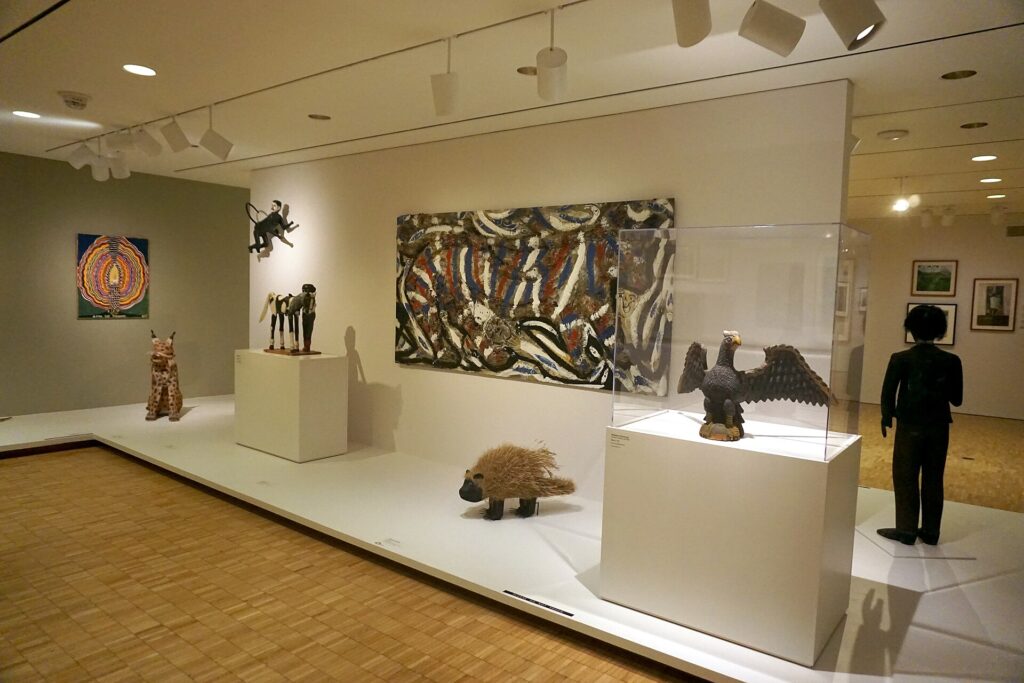
The Milwaukee Art Museum is known for a diverse and extensive permanent collection that spans a wide historical range and multiple geographic regions, with particular strengths in American art and European modernism. The collection includes over 30,000 works, housed in a combination of permanent installations and rotating displays, which support ongoing engagement with different artistic styles and historical periods.
Among the highlights is a robust assembly of American art dating from the 19th century to the present. This includes works by important regional and national artists, offering an opportunity to trace the development of art in the American context. Visitors are likely to encounter pieces by noted figures such as John Singer Sargent or Georgia O’Keeffe, showcasing the museum’s commitment to American painters both established and transformative.
European art finds notable representation as well, with 19th- and 20th-century paintings, sculptures, and decorative arts providing a broad survey of movements from Impressionism and Post-Impressionism to early Modernism and beyond. This inclusion allows for comparisons and contrasts between American and European trajectories in the visual arts, useful for more analytical visitors interested in art history’s cross-currents.
A substantial collection of contemporary art broadens the museum’s purview into more experimental and recent developments. These works include multimedia pieces, installations, and sculpture that engage with current themes and artistic dialogues. The museum’s collection policy and exhibition programming reflect a desire to stay relevant and challenge visitors with new perspectives, making it a venue attentive to both historical depth and contemporary innovation.
The museum also features important holdings in decorative arts, textiles, and crafts, which complement the paintings and sculpture. This allows for a more comprehensive view of artistic practice, where design and utility meet aesthetics. Such works are arranged to foreground technique, form, and cultural relevance.
While temporary or rotating exhibitions are not detailed here, the breadth and quality of the permanent collection alone cater to a variety of interests and levels of expertise, ranging from casual viewers drawn to familiar names to more specialized visitors focused on particular movements or media.
Visitor Experience
The Milwaukee Art Museum is structured to serve audiences with a relatively wide range of interests and familiarity with art. The spatial organization, with galleries arranged in thematic or chronological sequences, facilitates a manageable flow for first-time visitors while enabling more focused exploration for repeat guests or scholars. The transparency and openness of the main spaces encourage visitors to orient themselves visually and physically, aiding engagement without overwhelming.
Interpretative materials, including labels and wall texts, tend to be clear and accessible, providing background and context without excessive jargon. This approach supports a general audience’s understanding while leaving room for individual reflection. However, the museum’s substantial contemporary holdings might pose interpretive challenges for visitors less acquainted with experimental or conceptual art, where meanings and significance are not always immediately apparent.
The architectural design impacts visitor experience in significant ways, both positively and in a few limiting ways. The iconic pavilion and the movable wings create memorable moments but may require time and attention to fully appreciate beyond a quick glance. Lighting and circulation have been carefully considered, enhancing the viewing conditions for sensitive artworks while maintaining a sense of openness.
Given the museum’s size and the scale of its collections, visitors may find that single visits offer only a partial glimpse, especially if seeking to engage deeply with multiple areas. Although the museum aims to balance broad appeal with specialized content, some sections may feel more geared toward enthusiasts, scholars, or local audiences familiar with Milwaukee’s cultural scene.
Tickets, Access, and Planning
Specific details regarding ticketing, hours, and access for the Milwaukee Art Museum should be verified through the institution’s official website or direct contact, as these can change. It is advisable for prospective visitors to confirm current admission policies, any requirements for timed entry, and the availability of guided or self-directed tours.
The museum’s location on the city’s lakefront is accessible by various transport options, including public transit, though parking arrangements and access by car may vary. The architectural design anticipates a steady flow of visitors, but crowding can occur during peak times or special events, which may affect the viewing experience in popular galleries.
Accessibility for visitors with mobility challenges appears to be a consideration in the design, but confirming up-to-date information on specific services and accommodations remains prudent before planning a visit. Similarly, any adjustments due to public health considerations or seasonal changes should be checked in advance.
Final Verdict
The Milwaukee Art Museum offers a thoughtfully curated panorama of American and European art supported by a significant contemporary collection and diverse decorative arts. Its architectural presence on Milwaukee’s lakefront is a noteworthy element that enhances its identity and visitor appeal, serving as an architectural statement that complements its cultural mission.
The museum’s strength lies in its broad collection scope balanced with architectural distinction and interpretative clarity, making it accessible but also inviting deeper engagement. For visitors interested in American art, European 19th and 20th centuries, or contemporary artistic practices, it presents valuable material. However, those seeking highly specialized collections or focused research may find certain areas less comprehensive.
Overall, it functions as both a civic cultural resource and a regional art institution with national relevance. While not without limitations related to scale and interpretive challenge, the Milwaukee Art Museum inhabits a meaningful position in the American museum landscape. Visitors and scholars willing to navigate its varied content will find it a worthwhile destination for understanding the evolving story of art in and beyond Milwaukee.