Naval Museum Madrid Review
Maritime Museums · Madrid, Spain. The Naval Museum Madrid, located in the heart of Spain’s capital, stands as a testament to the country’s rich maritime heritage and naval history. Spain’s seafaring tradition dates back to the Age of Exploration…
Maritime Museums · Madrid, Spain. The Naval Museum Madrid, located in the heart of Spain’s capital, stands as a testament to the country’s rich maritime heritage and naval history. Spain’s seafaring tradition dates back to the Age of Exploration…
Best forMaritime history, ships, harbour heritage
Review focusCollection, setting, visitor experience
Historical Context
The Naval Museum Madrid, located in the heart of Spain’s capital, stands as a testament to the country’s rich maritime heritage and naval history. Spain’s seafaring tradition dates back to the Age of Exploration when Spanish ships, navigators, and naval power played a pivotal role in shaping global history. The museum systematically documents this legacy through artefacts, ship models, paintings, and historical documents that trace the development of Spain’s naval forces from the early medieval period through to the modern era. As Madrid is a landlocked city, the museum serves as a cultural and educational beacon, linking the nation’s maritime past with its present identity. This institution underscores the vital role Spain has played in naval warfare, exploration, and global trade. Its collections reflect not only military advancements but also the evolution of shipbuilding and seafaring technology, making it an essential destination for those interested in maritime history and Spain’s historical role on the world stage.
What You See on Arrival
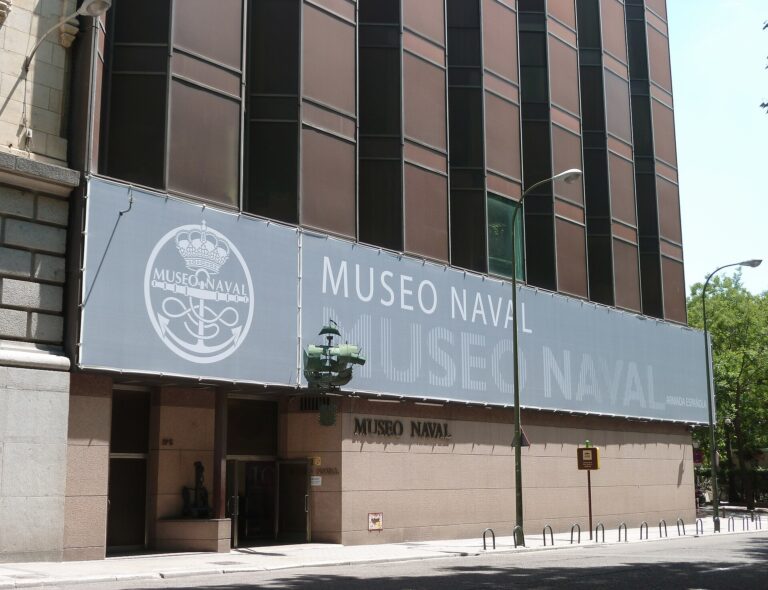
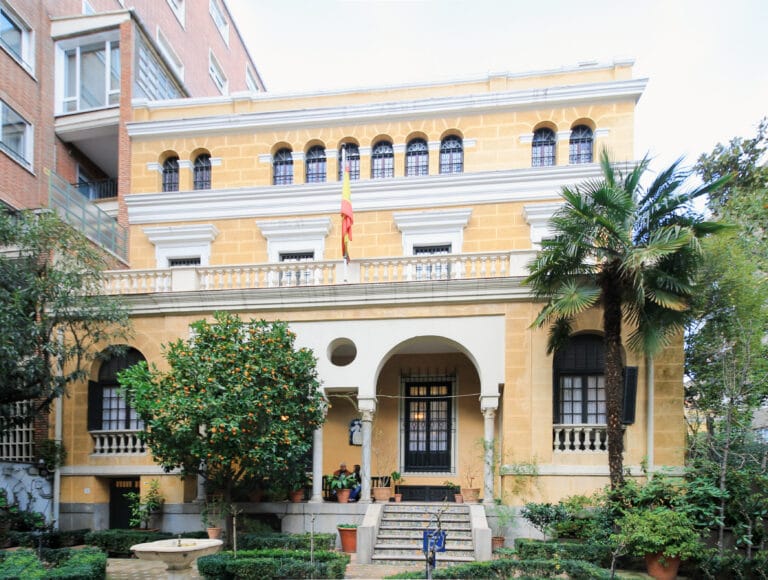
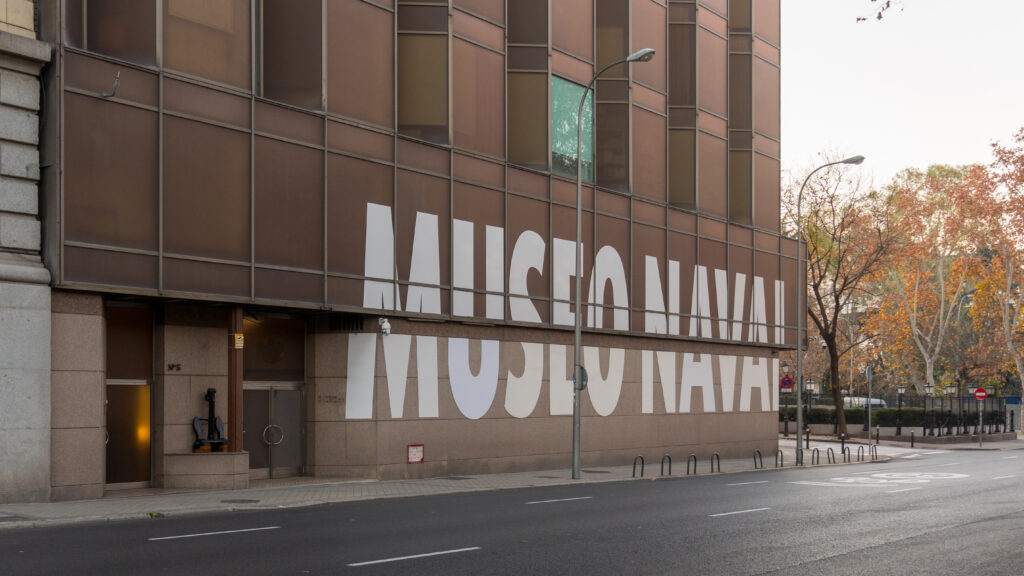
Upon arrival, visitors are greeted by a grand building, an architectural expression that balances historical gravitas with accessibility. Although the museum’s external facade is not the most imposing in central Madrid, it artfully combines traditional and modern design elements that hint at the extensive historical journey contained within. The entrance area is well-organized, providing clear visitor information and a calm introduction to what lies inside. The lobby’s design manages to evoke a maritime atmosphere subtly through thematic decoration and lighting without overwhelming newcomers. Nearby, clear signage directs visitors to ticket counters and exhibition spaces. The museum’s location in Madrid offers convenient access by public transport, and the immediate surroundings include cafés and shops, providing a pleasant environment to begin one’s visit. The initial impression is of a well-curated institution committed to both education and preservation of Spain’s naval history.
Highlights and Key Exhibitions
The Naval Museum Madrid boasts a diverse and comprehensive array of exhibits that cover centuries of maritime history. Among its most notable collections are impeccably detailed ship models representing various types of Spanish naval vessels, from galleons of the 16th century to modern warships. These models are both artistic and educational, illustrating advancements in naval architecture and maritime strategy. The museum also features an impressive collection of navigational instruments, weapons, uniforms, and personal effects from naval officers, providing tangible connections to the individuals who shaped naval history. Paintings and large-scale maritime murals offer artistic interpretations of famous naval battles and exploratory voyages.
One of the standout exhibitions focuses on the Spanish Armada, where maps and ship plans are combined with historical narratives to provide an in-depth understanding of its significance and legacy. Additionally, the museum places attention on Spain’s contributions to global maritime exploration, showcasing materials linked to key explorers and historic maritime routes. The methodical layout helps contextualize Spain’s naval dominance in relation to European and global history.
The museum also dedicates space to more technical exhibits covering shipbuilding techniques, the evolution of naval weaponry, and maritime communications. While these may appeal more to enthusiasts and specialists, they are presented with sufficient explanatory material to engage general visitors. Though the permanent collection is the museum’s core strength, it’s worth noting that the absence of frequently rotating temporary exhibitions may mean repeat visitors find fewer new experiences on return visits.
Visitor Experience
The Naval Museum Madrid offers an experience that is both intellectually enriching and visually compelling. The exhibition spaces are thoughtfully arranged to encourage a chronological and thematic understanding of Spain’s naval history. The lighting and display cases are carefully designed to enhance visibility of fragile artefacts while preserving them. The use of multimedia and interactive elements is moderate but purposeful; these highlight key moments such as famous battles or the mechanics of ship navigation.
For non-Spanish speakers, the museum provides a range of English-language materials, including brochures and panel texts, though some sections may rely heavily on Spanish, which could limit accessibility for international visitors without guided tours. Audio guides are available and contribute significantly to a deeper appreciation of complex exhibits.
The staff are generally well-informed and approachable, often ready to answer questions and provide additional context. Facilities such as rest areas and a museum shop are available, adding to visitor comfort. The museum’s layout is relatively easy to navigate, though some exhibit rooms can become crowded during peak periods, potentially affecting the pace of the visit.
Tickets, Access, and Planning
Planning a visit to the Naval Museum Madrid is straightforward. The museum is situated in an area well served by public transport, including metro and bus lines, which makes it very accessible for both locals and tourists. Parking nearby is limited, so public transport is advisable.
Ticket prices are reasonable, reflecting the museum’s status as a cultural institution. Discounts are available for students, senior citizens, and groups, and entry is free on certain days of the month, encouraging wider access. Tickets can be purchased on-site or online through the official website, which also provides up-to-date information about opening hours and any visitor requirements.
The museum is fully accessible to visitors with reduced mobility, with ramps and elevators facilitating movement throughout the building. Assistance services and accessible restrooms are also provided, affirming the institution’s commitment to inclusivity. Visitors planning longer stays can take advantage of benches located throughout the museum and refreshment options nearby.
Final Verdict
The Naval Museum Madrid is a distinctive institution that brings Spain’s illustrious maritime past to the fore within the context of a landlocked capital city. It offers a balanced and comprehensive exploration of naval history, covering technological innovation, historical events, and personal stories from across several centuries. The museum’s strengths lie in its rich permanent collections, particularly the ship models and historic artefacts, which collectively narrate Spain’s naval evolution with clarity and depth.
While the museum excels in historical documentation and exhibition quality, there is scope for enhancing visitor engagement through expanded interactive features and more frequent temporary exhibitions to provide fresh content and appeal to repeat visitors. The multilingual support could also be expanded to broaden its accessibility to international tourists. Nevertheless, its accessible location, reasonable ticket pricing, and thoughtful visitor amenities make it a highly worthwhile destination for those interested in maritime history, naval warfare, and Spanish heritage.
In sum, the Naval Museum Madrid succeeds in its mission to preserve and promote an essential facet of Spain’s national identity. It provides a meaningful educational experience that can satisfy both casual visitors and dedicated history enthusiasts. For anyone with an interest in the sea’s influence on world affairs, this museum is a compelling stop in the cultural landscape of Madrid.