Gross-Rosen Museum
History Museums · Rogoźnica, Poland. The Gross-Rosen Museum is a profoundly moving historical museum located in Rogoźnica, Poland. Dedicated to the memory of the victims and the history of the Gross-Rosen concentration camp, it serves as a solemn reminder…
Best forScience, technology, hands-on learning
Setting / nearbyRogoźnica, Poland
Overview
The Gross-Rosen Museum is a profoundly moving historical museum located in Rogoźnica, Poland. Dedicated to the memory of the victims and the history of the Gross-Rosen concentration camp, it serves as a solemn reminder of one of the many tragic sites of the Holocaust during World War II. Through its exhibitions and preserved grounds, the museum provides an educational and commemorative space where visitors can reflect on the atrocities committed and the resilience of those who suffered. This museum is both a place of remembrance and a resource for those seeking to understand the impact of the camp within the broader context of European history.
Collection Highlights
The Gross-Rosen Museum features a collection centered on the history of the concentration camp that operated in the area between 1940 and 1945. Exhibits include a range of original artifacts recovered from the site or donated by survivors and their families. These encompass personal belongings of prisoners, such as clothing, shoes, and identification tags, alongside tools, documents, photographs, and other items that tell the stories of those interned at the camp.
One of the most poignant aspects of the collection is the visual documentation of prisoner life, which captures the harsh conditions and brutal treatment faced by inmates. The museum also houses displays that reveal aspects of the camp’s operation, including its role within the Nazi forced labor network, the daily routines enforced by the SS, and the extensive system of subcamps linked to Gross-Rosen. Through targeted exhibits, visitors can gain insight into the diverse backgrounds of the prisoners, including political detainees, Jews, prisoners of war, and others persecuted under the Nazi regime.
Notably, the museum integrates testimonies and narratives from survivors, which add a personal dimension to the historical facts and deepen understanding of the human cost. Temporary exhibitions and educational programs often explore particular themes related to the camp or wider questions around genocide and remembrance.
Building and Setting
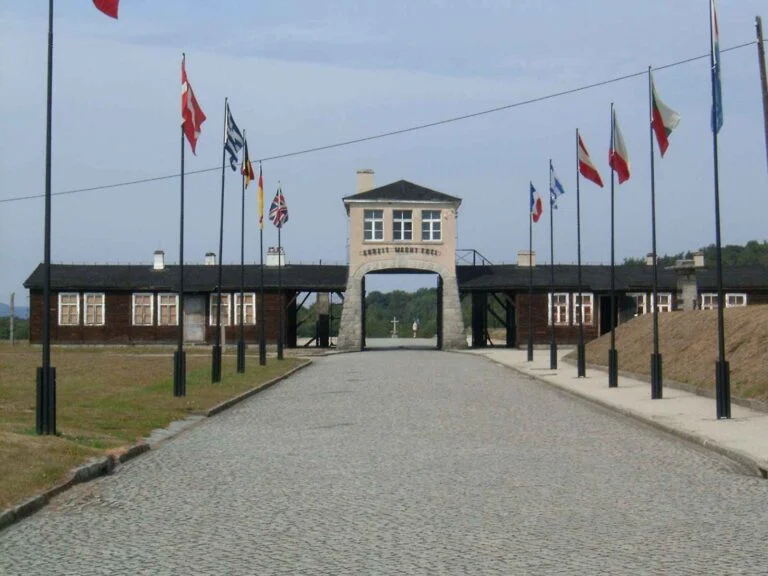
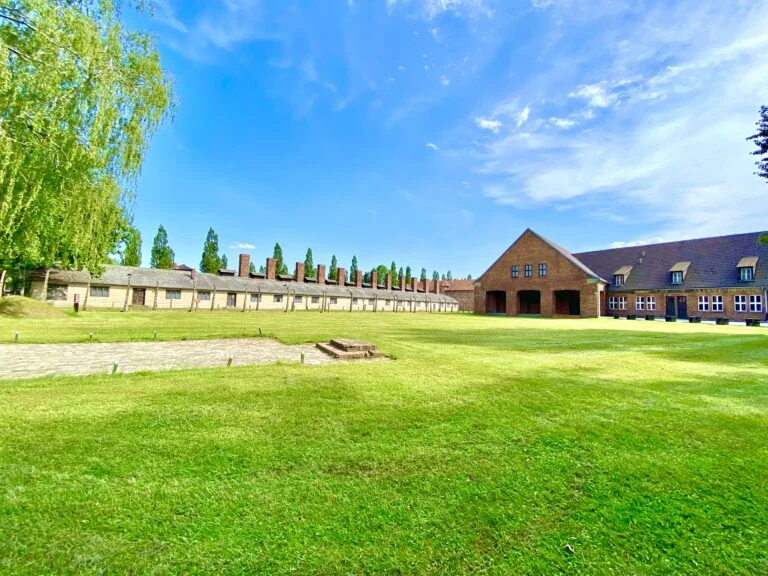
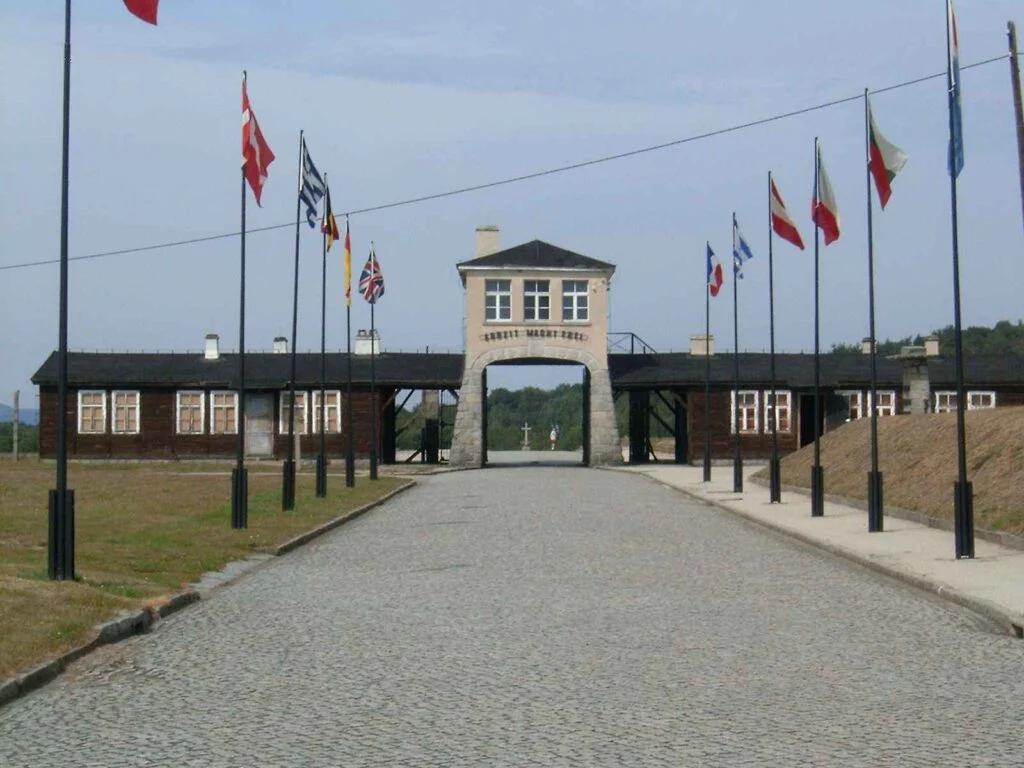
The Gross-Rosen Museum is situated within the grounds of the original concentration camp in Rogoźnica, surrounded by the forested area that historically enclosed the site. This location preserves the stark and somber atmosphere that marks the place. Some of the original camp buildings and structures have been preserved or partially restored, including remnants of prisoner barracks, the crematorium, guard towers, and fences. These physical remains serve as powerful testimonies of the camp’s function and its horrors.
The museum complex is thoughtfully integrated into this historical environment, maintaining the balance between commemoration and education. Walkways and information panels guide visitors through the site, allowing them to engage with both the physical space and the detailed historical context. The natural surroundings contribute to the contemplative ambiance, inviting reflection and respect.
Efforts have been made to conserve the site with sensitivity to its significance, making it accessible while preserving its integrity as a place of memory. The preservation work often emphasizes authenticity, avoiding excessive restoration to retain the emotional weight carried by the original fabric of the camp.
Practical Information
Visitors planning to experience the Gross-Rosen Museum should note that the museum is located near the small village of Rogoźnica, in southwestern Poland. It is accessible by road, with parking facilities usually available on site or nearby. Public transportation options may be limited, so it is advisable to check local travel arrangements ahead of time.
The museum offers guided tours, educational talks, and materials to enrich the visit. It is suitable for a wide range of audiences, including students, researchers, and those with a general interest in history or human rights. Due to the sensitive and somber nature of the site, visitors are encouraged to approach the experience with respect and mindfulness.
Operating hours and ticketing information can vary seasonally or due to special events and maintenance, so it is recommended to verify the current schedule and entrance fees before planning a visit. This can usually be done through official channels or the museum’s website, which remains active and provides up-to-date information. Accessibility considerations are increasingly accounted for, but those with specific needs may wish to inquire in advance to ensure a comfortable visit.
Why Visit
The Gross-Rosen Museum holds an essential place among Holocaust memorial sites and historical museums in Poland. It offers an invaluable opportunity to confront the realities of one of the darkest chapters of human history through a combination of authentic surroundings, well-curated exhibitions, and educational initiatives.
A visit to this museum provides not only historical knowledge but also a deeply human experience, reminding us of the dangers of hatred, intolerance, and totalitarianism. By presenting real stories and preserving the memory of the victims, the museum fosters awareness and reflection that remain crucial in today’s world.
Moreover, the museum’s location in the peaceful, natural environment of the Rogoźnica forest contrasts with its tragic past, encouraging contemplation about resilience, remembrance, and responsibility. For anyone interested in 20th-century history, human rights, or the enduring impact of war and persecution, the Gross-Rosen Museum represents a profound and respectful place to learn and remember.