Gross-Rosen Museum Review
History Museums · Rogoźnica, Poland. The Gross-Rosen Museum in Rogoźnica, Poland, is a poignant institution dedicated to preserving the memory of the Gross-Rosen concentration camp, one of the most notorious Nazi camps during World War II. Established on the…
History Museums · Rogoźnica, Poland. The Gross-Rosen Museum in Rogoźnica, Poland, is a poignant institution dedicated to preserving the memory of the Gross-Rosen concentration camp, one of the most notorious Nazi camps during World War II. Established on the…
Best forMasterpieces, architecture, cultural history
Review focusCollection highlights, building, visitor flow
Historical Context
The Gross-Rosen Museum in Rogoźnica, Poland, is a poignant institution dedicated to preserving the memory of the Gross-Rosen concentration camp, one of the most notorious Nazi camps during World War II. Established on the grounds of the original camp, which operated from 1940 until its liberation in 1945, the museum serves as a solemn reminder of the atrocities committed and the resilience of those imprisoned. The camp began as a subcamp of Sachsenhausen but soon expanded to hold thousands of prisoners, primarily Poles, Jews, and other groups targeted by the Nazi regime. It was notorious for its brutal conditions, forced labor in nearby quarries, and the high mortality rate among inmates. Following the war, the site was transformed into a museum and memorial, tasked with educating future generations about the horrors of the Holocaust and promoting reflection on human rights and historical accountability.
What You See on Arrival
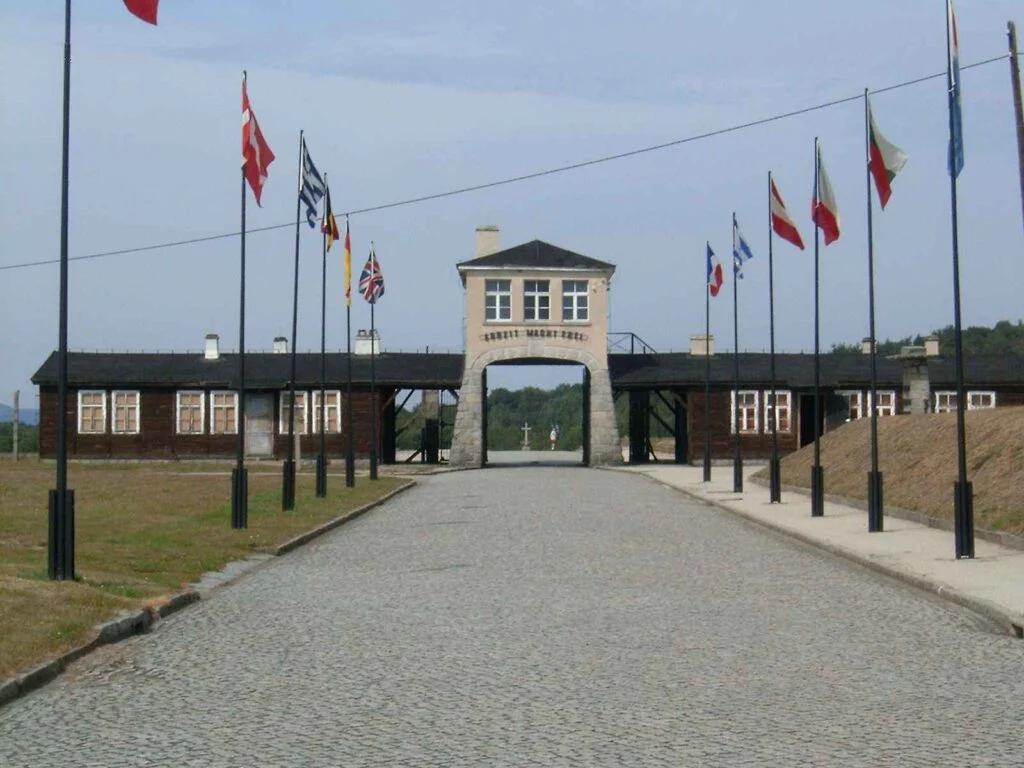
Upon approaching the Gross-Rosen Museum, visitors are immediately confronted with a landscape that echoes the somber reality of its history. The compound retains elements of the original camp layout, including the remnants of watchtowers and sections of the camp's perimeter fence, which help place the visitor into the spatial experience of confinement. At the entrance, a modest but powerful memorial sculpture stands as a testament to the victims. The reception area leads into a series of exhibition spaces that include preserved prisoner barracks, reconstructed elements, and archival displays. The outdoor spaces, punctuated by weathered stone and concrete, underscore the severity of the camp environment. Directional signage is clear, guiding visitors through a chronological narrative that is easy to follow without feeling overwhelming.
Highlights and Key Exhibitions
The core exhibitions at the Gross-Rosen Museum are thoughtfully curated to provide a comprehensive understanding of the camp's history and the broader context of Nazi oppression. One of the standout features is the extensive collection of artifacts recovered from the site and gathered from survivors, including prisoners’ personal belongings like clothing, tools, and letters, which humanize the often abstract historical narrative. The museum’s photographic archives and testimonies offer intimate insights into daily life within the camp. A particularly powerful exhibit focuses on the forced labor in the nearby granite quarries, illustrating the brutal working conditions that were a hallmark of Gross-Rosen. The thematic layout guides visitors from the camp’s foundation through its expansion, the prisoners’ struggles, and ultimately to liberation and remembrance. The emphasis on survivor stories and documentary evidence fosters an empathetic connection, while the inclusion of detailed maps and documents ensures a factual grounding.
Visitor Experience
The Gross-Rosen Museum is designed to support a reflective and educational visit. The exhibition spaces are quiet and stark, emphasizing the gravity of the subject matter without distraction. Staff members are knowledgeable and sensitive, often available to provide additional context or answer questions, which enhances the educational value of the experience. The museum balances the emotional intensity of the subject with clear, informative signage and multimedia presentations that are accessible to diverse audiences. The use of original structures alongside interpretive displays helps create an immersive experience that engages visitors’ emotions and intellect. While the museum avoids sensationalism, it does not shy away from confronting the brutal realities faced by those imprisoned. For those who wish to deepen their understanding, audio guides and supplementary materials are available, though the museum maintains a respectful atmosphere appropriate to the memorial nature of the site.
Tickets, Access, and Planning
Visiting the Gross-Rosen Museum requires some planning, as the location in Rogoźnica is relatively remote compared to major Polish cities. The museum is accessible by car, and parking facilities are available near the entrance. Public transport options are more limited, so visitors may need to use a combination of train and bus services or consider organized tours. Entry fees are reasonable, with discounts typically offered for students, seniors, and groups. The museum operates on a schedule that may vary seasonally, so checking current opening hours ahead of time is advisable. Facilities for persons with reduced mobility have been incorporated, including ramps and accessible restrooms, although the historic nature of some areas may pose challenges. The official website provides comprehensive visitor information, including directions, ticket prices, and educational resources, enabling well-prepared visits. Guided tours can be arranged and are recommended for those seeking a deeper contextual understanding.
Final Verdict
The Gross-Rosen Museum stands as a vital site of historical memory and education. Its careful curation and respectful presentation provide a balanced and impactful experience for visitors, combining emotional weight with historical rigor. It does not merely recount the harrowing statistics of a concentration camp but places its visitors in a space where reflection on human endurance, cruelty, and the imperative of remembrance becomes personal and profound. While its remote location may pose logistical challenges, the museum is well worth the effort for those interested in Holocaust history, World War II studies, or human rights education. It serves not only as a memorial to the victims but also as a forceful educational resource, ensuring that the lessons of the past remain visible and relevant in contemporary society. The Gross-Rosen Museum is an indispensable destination for thoughtful visitors confronting one of the darkest chapters of human history.