Muzeum Warszawy
History Museums · Warsaw, Poland. Muzeum Warszawy, or the Museum of Warsaw, is a vibrant local history museum dedicated to the rich cultural and historical tapestry of Poland’s capital city. Situated in Warsaw, the museum offers a comprehensive exploration…
Best forArchitecture, royal history, heritage
Setting / nearbyWarsaw, Poland
Overview
Muzeum Warszawy, or the Museum of Warsaw, is a vibrant local history museum dedicated to the rich cultural and historical tapestry of Poland’s capital city. Situated in Warsaw, the museum offers a comprehensive exploration of the city’s past, from its medieval origins through the transformations of the modern era. Emblematic of Warsaw’s resilience and diverse heritage, the institution presents the city’s story through an array of artifacts, artworks, and documents, making it a central destination for anyone interested in understanding Warsaw’s identity and development.
The museum’s mission is to preserve, study, and promote the history of Warsaw, providing insight into the everyday lives, traditions, significant events, and architectural evolution that have shaped the city. With a collection spanning several centuries and a strong focus on Warsaw’s urban fabric, the museum serves both as a scholarly resource and a cultural hub for locals and visitors alike.
Collection Highlights
Muzeum Warszawy’s collection is notable for its breadth and depth, encompassing a variety of objects that reflect the city’s social, cultural, and political history. Among the most remarkable exhibits are detailed models and maps that illustrate the changing urban landscape of Warsaw, including depictions of the city before and after World War II, showcasing the extensive reconstruction efforts.
Visitors will find an impressive assortment of portraits, manuscripts, prints, and historical documents that highlight prominent figures and pivotal moments in Warsaw’s history. The museum also holds traditional costumes, household items, and decorative arts that offer a glimpse into the customs and daily life of Warszawiacy—the residents of Warsaw—across different periods.
One particularly significant aspect of the collection is its emphasis on Warsaw’s resilience during times of hardship. Exhibits related to the Warsaw Uprising, the city’s wartime destruction, and post-war rebuilding endeavors provide a moving narrative of endurance and renewal. Alongside wartime artifacts, the museum also features contemporary works and multimedia presentations that reflect on the city’s ongoing evolution and its vibrant cultural scene.
Building and Setting
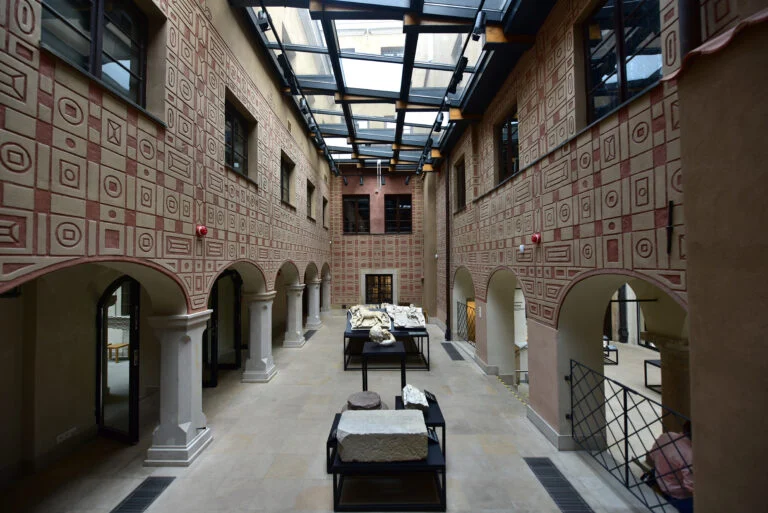
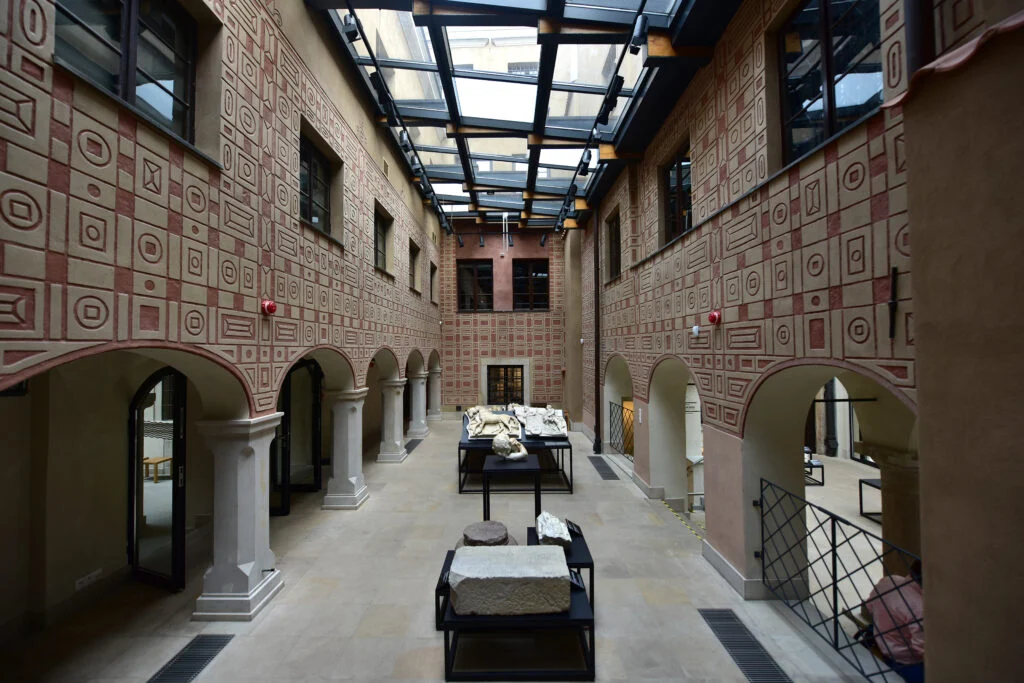
The museum’s headquarters are situated in the heart of Warsaw’s historic Old Town, a UNESCO World Heritage site that serves as a fitting backdrop for a museum dedicated to the city’s heritage. The complex itself is spread across several historic buildings, including former townhouses and tenements, each carefully restored to enhance the atmosphere and provide authentic contexts for the exhibits.
The architectural ensemble reflects a blend of styles that mirror Warsaw’s layered history, with elements dating back several centuries. The setting invites visitors to immerse themselves not only in the museum’s displays but also in the very environment that exemplifies the city’s artistic and historical character. The buildings’ interiors combine traditional decor with modern design aspects to facilitate engaging and accessible exhibitions.
Throughout the museum precinct, open courtyards and small gardens offer peaceful spaces for reflection and complement the visitor experience. The proximity to prominent landmarks and the vibrant streetscape of the Old Town also encourages exploration beyond the museum’s walls, enabling guests to connect the history inside with the living city outside.
Practical Information
Muzeum Warszawy is typically open to the public throughout the week, though specific opening hours, ticket prices, and visitor regulations can vary depending on seasonal circumstances, special exhibitions, or public holidays. It is advisable for prospective visitors to consult the official website or contact the museum directly to verify the most current information regarding hours and admission details prior to planning a visit.
The museum usually offers a range of ticket options that may include general admission, reduced prices for students, seniors, and groups, and occasionally free entry on select days. Guided tours and educational programs are often available, providing additional opportunities to deepen understanding of the exhibits.
The museum is accessible by various forms of public transportation, given its central location. Visitors arriving by car should be prepared for limited parking options in the Old Town area. Facilities for individuals with disabilities are typically provided, though confirming these amenities in advance is recommended to ensure a comfortable visit.
Why Visit
Exploring Muzeum Warszawy is an enriching experience that invites visitors to develop a nuanced appreciation of Warsaw’s unique heritage. As the city has undergone profound changes—from royal capital to modern metropolis, from devastation in war to vibrant revitalization—the museum captures this dynamic journey through thoughtfully curated exhibitions.
For history enthusiasts, the museum offers a rare opportunity to engage closely with the tangible heritage of Poland’s capital in an intimate, detailed manner. The inclusive narrative embraces both monumental events and the stories of ordinary inhabitants, fostering a comprehensive cultural understanding.
Moreover, the museum’s location in the Old Town enhances the visitor experience by placing guests at the heart of the historic cityscape, making it possible to extend the journey into the surrounding streets, cafes, and shops that celebrate Warsaw’s spirit.
Beyond its historical focus, Muzeum Warszawy is a place of inspiration for artists, scholars, and curious travelers who seek to connect with the people and events that have shaped one of Europe’s most resilient cities. Whether interested in architecture, social history, or cultural transformation, visitors will find the museum a warm and inviting gateway to the soul of Warsaw.