Armenian Genocide Museum-Institute Review

Historical Context
The Armenian Genocide Museum-Institute, located in Yerevan, Armenia, serves as a solemn testament to one of the darkest chapters of the early twentieth century. Dedicated to documenting and commemorating the Armenian Genocide of 1915-1923, the museum contextualizes the tragic mass extermination and forced deportations of approximately 1.5 million Armenians by the Ottoman Empire. This genocide represents a foundational trauma in Armenian national identity and remains a potent subject of international dialogue and recognition. The museum’s foundation aims not only to preserve the memory of those lost but also to promote awareness, human rights, and education on the consequences of denial and historical revisionism. Its establishment in Armenia’s capital underscores the nation’s commitment to keeping the historical record transparent and accessible. As such, the Armenian Genocide Museum-Institute is more than a repository of historical artifacts; it functions as an educational institution fostering reflection, reconciliation, and dialogue within a global framework of genocide studies.
What You See on Arrival
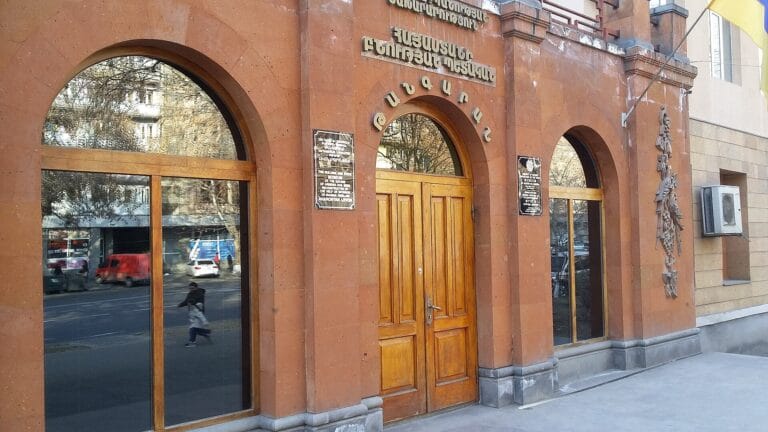
Approaching the Armenian Genocide Museum-Institute, visitors are immediately struck by its dignified and austere architecture, designed to evoke reflection and solemnity. The main building stands as a prominent landmark within Yerevan, its facade blending modern design with traditional Armenian architectural motifs. Upon arrival, the visitor is greeted by the museum’s memorial garden, which features symbolic sculptures and engraved plaques commemorating the victims. The path through the garden encourages quiet contemplation before entering the exhibition spaces. The site is carefully curated to orient visitors, with clear signage guiding them toward the entrance. The museum’s exterior successfully sets a tone of respect and remembrance, acting as a physical and emotional threshold between the everyday world and the profound historical narrative housed inside.
Highlights and Key Exhibitions
The Armenian Genocide Museum-Institute offers a comprehensive and meticulously curated collection that includes rare historical documents, survivor testimonies, photographs, audio-visual materials, and archival artifacts related to the genocide. One of the core strengths of the museum is its chronological and thematic layout, which methodically traces the events leading up to the genocide, the catastrophic consequences during the deportations and massacres, and the long-lasting impact on the Armenian diaspora. Key exhibitions highlight the pre-World War I Armenian communities, the political background in the Ottoman Empire, and international responses—or, notably, the lack thereof—to the atrocities. The museum also dedicates significant space to survivor stories, offering poignant personal insights that humanize the historical facts. Multimedia presentations enhance understanding by providing an immersive experience, while interactive displays facilitate engagement with complex historical narratives. The genocide’s cultural and political aftermath remains a focal point, alongside ongoing issues of recognition and denial. The museum’s collection is significant not only for its breadth but also for its role in preserving national memory and fostering historical awareness worldwide.
Visitor Experience
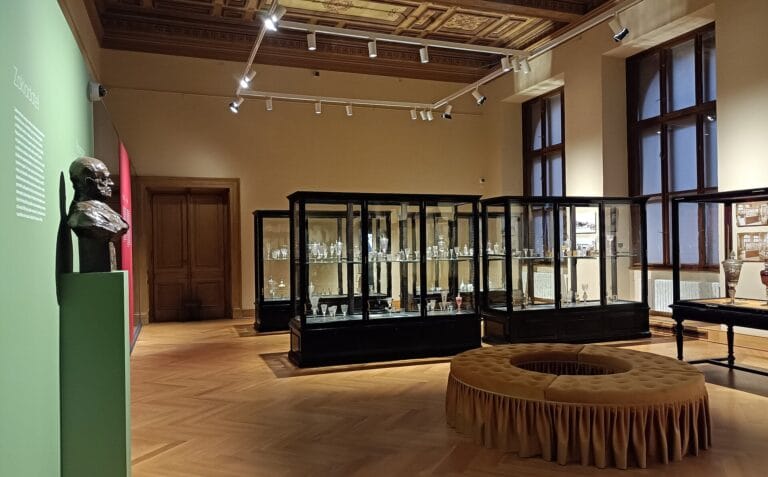
Visitors to the Armenian Genocide Museum-Institute can expect a predominantly contemplative and reflective experience designed to educate rather than entertain. The atmosphere within the museum is respectful, with understated but effective lighting and sound design that amplify the gravity of the subject matter. The layout of the exhibitions is clear and logical, allowing visitors to follow the historical progression without confusion. Informative texts are presented in multiple languages, typically Armenian, English, and Russian, broadening accessibility. The availability of audio guides and detailed brochures enhances comprehension for international visitors. Museum staff are generally well-prepared to assist with inquiries, contributing to an informative visit. On a more critical note, some visitors might find the museum’s approach to be overwhelmingly somber and emotionally intense, given the nature of the content, which can make extended visits challenging. Nonetheless, this intensity serves the museum’s educational mission. The balance between archival material and emotive storytelling is delicately maintained to foster both intellectual engagement and emotional empathy.
Tickets, Access, and Planning
The museum is situated in a central part of Yerevan, making access relatively straightforward for those staying within the city. Public transportation and taxis readily connect to the site, although visitors should plan their route in advance to avoid peak hours. The museum generally operates on a daily schedule, with reasonable opening hours that allow flexibility for tourists and researchers alike. Ticket pricing is modest, reflecting its public educational goals, with discounts often available for students, seniors, and groups. Online information about opening times and ticketing policies tends to be reliable, but prospective visitors may benefit from checking current details prior to arrival due to occasional changes or special holiday schedules. The museum’s facilities include essentials such as restrooms and a small gift shop offering publications and memorabilia related to the Armenian Genocide. Accessibility for visitors with limited mobility is present but may require advance notification to ensure accommodations, as parts of the building involve stairs or uneven surfaces. Overall, the museum encourages advance planning to maximize the educational experience and allow sufficient time for reflection.
Final Verdict
The Armenian Genocide Museum-Institute in Yerevan stands as a profoundly important institution both within Armenia and on the international stage for genocide studies and human rights education. It provides a deeply immersive, meticulously researched, and emotionally engaging exploration of a tragic historical event that continues to resonate globally. The museum succeeds admirably in balancing scholarly rigor with human empathy, offering visitors a space that is both intellectually informative and spiritually moving. While the subject matter may be challenging and evoke a somber mood, the museum’s respectful presentation serves its educational and commemorative objectives well. Its careful curatorial choices and thoughtful design enable a measured encounter with history that inspires understanding and recognition. For those interested in twentieth-century history, human rights, or the Armenian heritage, the Armenian Genocide Museum-Institute is an essential and impactful visit. It stands not only as a memorial but also as an enduring call for remembrance and justice, contributing meaningfully to global dialogues on genocide prevention and reconciliation.