Armenian Genocide Museum-Institute
Art Museums · Yerevan, Armenia. The Armenian Genocide Museum-Institute, located in the heart of Yerevan, Armenia, stands as a solemn and deeply significant institution dedicated to commemorating the victims of the Armenian Genocide. This museum and research center serves…
Best forScience, technology, hands-on learning
Setting / nearbyThe heart of Yerevan, Armenia, stands as a solemn and deeply significant institution dedic
Overview
The Armenian Genocide Museum-Institute, located in the heart of Yerevan, Armenia, stands as a solemn and deeply significant institution dedicated to commemorating the victims of the Armenian Genocide. This museum and research center serves not only as a place of remembrance but also as an educational and cultural hub, dedicated to raising awareness about the events of 1915 and promoting human rights and historical justice. Established with a mission to document and preserve the memory of the genocide, the museum provides visitors with a thoughtful and poignant experience through its exhibitions, archives, and educational programs.
Collection Highlights
The Armenian Genocide Museum-Institute houses a comprehensive collection of artifacts, documents, photographs, personal testimonies, and multimedia presentations that collectively portray the tragic history of the Armenian Genocide. Visitors will find deeply moving displays that chronicle the deportations, massacres, and survival stories of the Armenian people during the early 20th century. The museum’s exhibits include archival materials sourced from both Armenian and international repositories, reflecting the global impact and recognition of these historical events.
Among the notable features are original letters and official documents from the period, visual records that bring to light the personal and communal losses endured, as well as survivor stories that emphasize resilience and hope. The museum’s documentary films and audio recordings offer a powerful narrative experience that complements the permanent exhibitions. Additionally, the museum serves as an academic center, hosting conferences and publishing research to facilitate greater understanding and dialogue on genocide and human rights issues worldwide.
Building and Setting
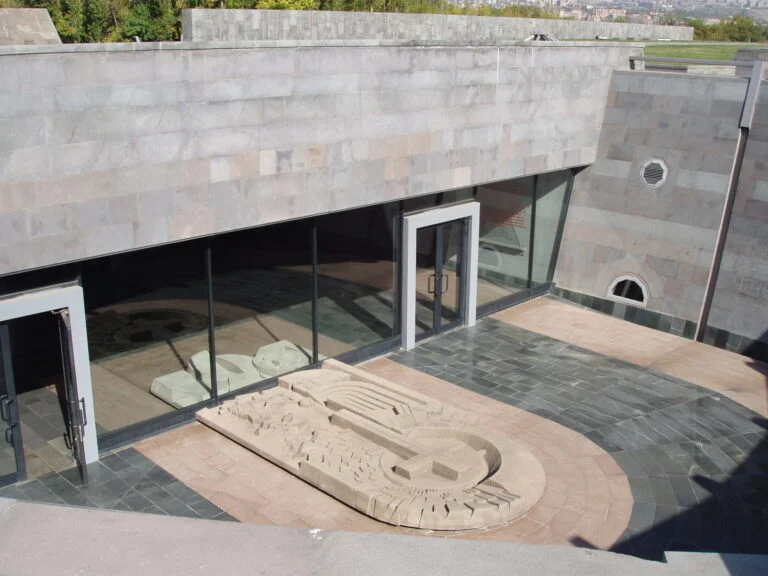
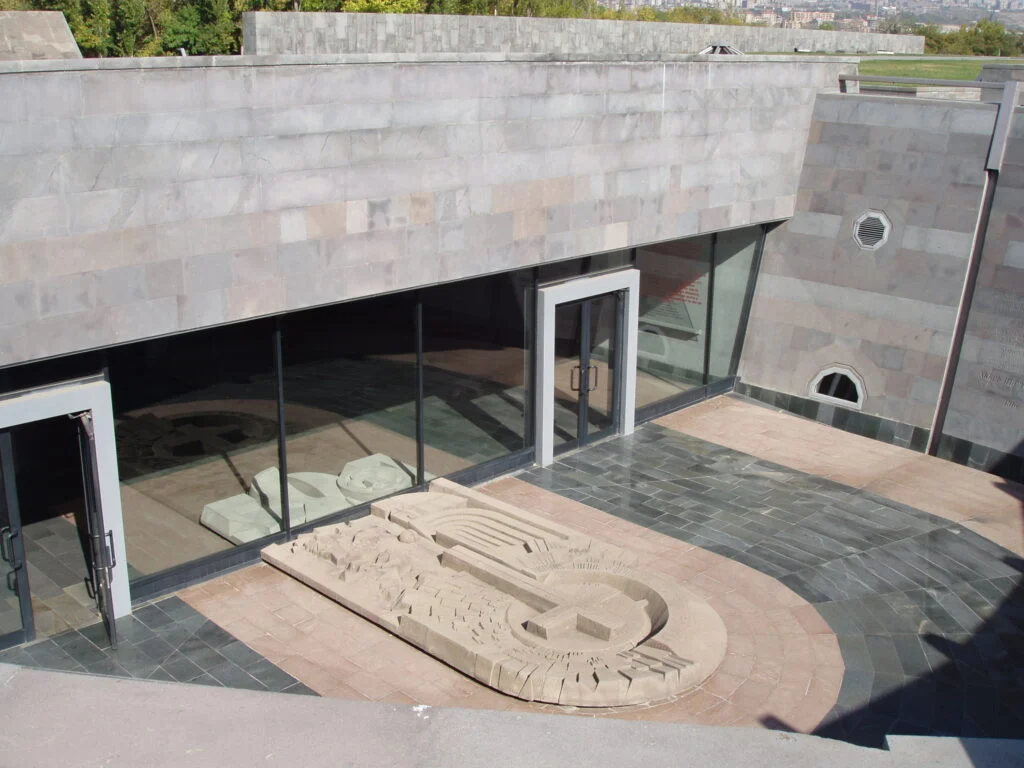
The Armenian Genocide Museum-Institute is situated within a thoughtfully designed complex in central Yerevan, offering a contemplative atmosphere suitable for reflection and education. The architecture and layout of the museum underscore its solemn purpose, combining modern design elements with symbolic motifs that echo the history it seeks to preserve. The grounds surrounding the museum include a memorial park, which features commemorative monuments and sculptures dedicated to the victims, creating a quiet outdoor space for visitors to absorb the historical significance in a natural setting.
The museum’s location in Yerevan places it within reach of other cultural landmarks and urban amenities, making it an accessible and integral part of the city’s cultural landscape. The setting encourages visitors to engage with the history of Armenia while also exploring broader themes of memory, loss, and justice.
Practical Information
Before planning a visit to the Armenian Genocide Museum-Institute, it is advisable for visitors to verify current opening hours and ticket information, as these details may vary or be updated. The museum typically offers guided tours and educational programs, which can enhance the visitor experience by providing deeper context and insight. Entry fees may apply, and group visits or special arrangements often require prior booking.
The museum is generally accessible to the public and caters to diverse audiences, including students, scholars, and those interested in human rights and history. Facilities such as a bookstore and an information desk can assist visitors in further exploring the topics presented. For those traveling from outside Armenia, the museum is conveniently located within the city and can be reached via public transportation or taxi services.
Why Visit
The Armenian Genocide Museum-Institute is an essential destination for anyone seeking to understand a critical chapter of 20th-century history and its continuing ramifications. Its role in preserving the memory of the Armenian Genocide helps foster a global dialogue about the consequences of intolerance and the importance of historical truth. Visiting the museum offers an opportunity for meaningful reflection on the human capacity for both cruelty and resilience.
Beyond its memorial function, the museum’s commitment to education and research contributes to broader efforts to prevent genocide and promote human rights worldwide. The rich collections and thoughtful exhibitions provide a deeply moving and informative experience, making it a powerful place for learning and empathy.
A visit to this museum is not only a journey through historical events but also a call to acknowledge the past and inspire future generations to uphold justice, dignity, and peace. It stands as a testament to the enduring spirit of a people and the universal importance of remembrance.