Sudan National Museum Review
IntroThe Sudan National Museum in Khartoum is one of the most historically important museums in northeastern Africa because it does something fundamental.
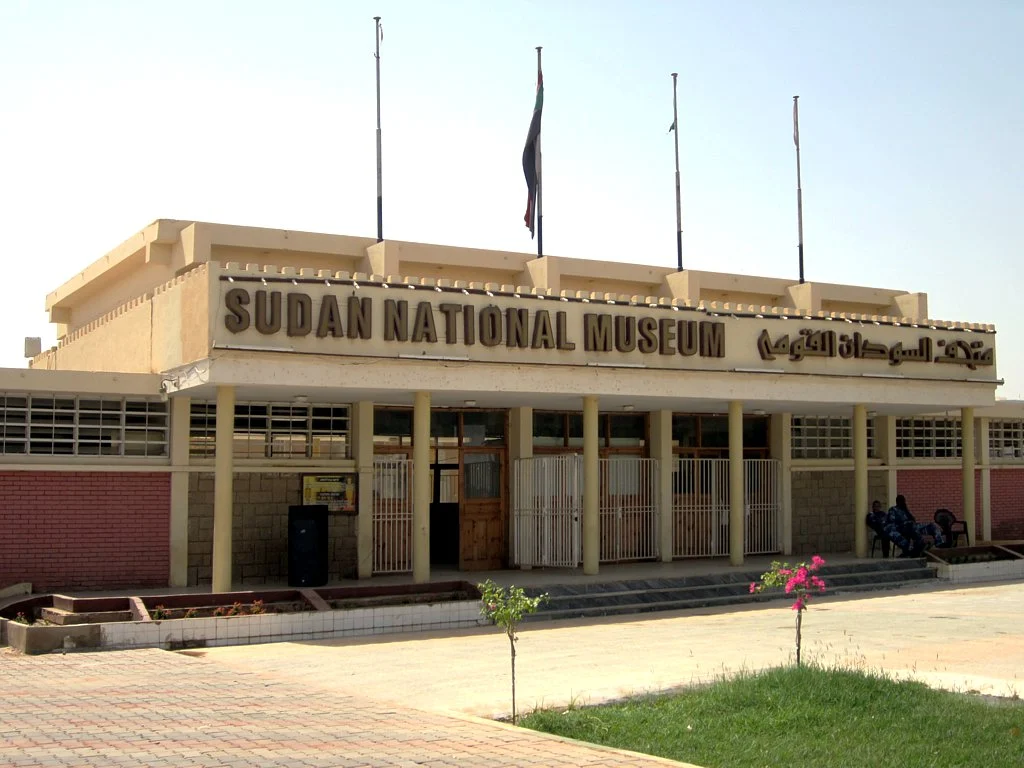
IntroThe Sudan National Museum in Khartoum is one of the most historically important museums in northeastern Africa because it does something fundamental.
Best forMasterpieces, architecture, cultural history
Review focusCollection highlights, building, visitor flow
Intro
The Sudan National Museum in Khartoum is one of the most historically important museums in northeastern Africa because it does something fundamental that many museum visitors badly need: it shifts the Nile Valley away from an Egypt-only frame. That is not a minor correction. For generations, public understanding of the ancient Nile has been dominated by Egypt to such an extent that Sudan and Nubia are often treated as peripheral or derivative. The Sudan National Museum directly challenges that distortion by presenting ancient and medieval Sudanese civilizations as powerful, complex, and historically central in their own right.
That alone would make the museum significant. But it is more than a corrective institution. It is also a genuinely rewarding archaeological museum, with substantial material, strong historical implications, and the capacity to change the way visitors understand the region.
How the Site Works
The museum is arranged through galleries and display areas that combine monumental archaeological material, smaller objects, religious and funerary pieces, and material from multiple historical periods. The overall structure encourages visitors to move from ancient Nubian and Kushite material into later cultural and religious phases, including Christian Nubian history. This creates an experience in which continuity and transformation remain visible rather than being split into separate disconnected museums.
The institution works best when approached with curiosity about historical relationships rather than with a search for one iconic object. It is a museum of context and reorientation. Each room adds evidence to a wider argument about the historical depth and autonomy of Sudanese civilization.
Exhibitions and Collection
The collection includes temple fragments, sculpture, inscriptions, ceramics, funerary material, reliefs, and Christian wall paintings, among other objects. The strongest impression comes from seeing how substantial and varied the material is. This is not a token museum of neighboring civilizations. It is a museum full of evidence that the Nile south of Egypt supported major political, artistic, and religious traditions over long periods.
One of the museum’s great strengths is the treatment of Nubian and Kushite material, which helps visitors see these cultures as more than echoes of Egypt. At the same time, the museum does not pretend that the region existed in isolation. Influence, exchange, rivalry, and adaptation remain visible. This balance makes the museum historically convincing. The Christian Nubian material is also especially important because it widens the chronology and shows how much of Sudanese history lies outside the standard ancient-Egyptian frame familiar to many visitors.
Architecture / Space
The building and grounds are suited to archaeological display in a way that allows larger material to retain its force. This matters because monumental fragments and temple-related objects can lose much of their meaning if forced into cramped galleries. Here, the combination of interior and exterior space helps preserve scale and context.
The overall atmosphere is institutional rather than theatrical, which is appropriate for a museum built around scholarship and preservation. The museum does not need architectural spectacle to justify itself. Its authority comes from what it contains and what those contents reveal.
Visitor Experience
The visitor experience is especially rewarding for those who enjoy archaeology as a way of revising historical assumptions. This is not a museum that depends on digital immersion or heavy staging. It expects visitors to look, compare, and think. For many, that makes the visit more serious and more memorable. Others may find it quieter than major global tourist museums, but that quieter quality is part of its strength.
The institution works best at a measured pace. It is the kind of museum where reading labels and noticing relationships between periods matters as much as seeing the most visually striking objects. Visitors who give it that time are likely to leave with a much richer understanding of Sudanese history.
Historical Context
The Sudan National Museum matters because it places Sudan squarely within the larger history of the Nile Valley and northeastern Africa. It reminds visitors that Kushite power, Nubian kingdoms, Christian Sudan, and long-term cultural exchange all belong to the central story of the region. This is historically significant not only for Sudan itself, but for African archaeology more broadly. Museums like this help correct imbalances in global historical attention.
The museum also reflects the twentieth-century urgency of preservation, especially in the context of archaeological rescue and the movement of threatened material into institutional care. That preservation history adds another layer to the museum’s importance.
Practical Information
The museum is located in Khartoum and is best visited with enough time to move carefully through the galleries rather than treating it as a quick checklist stop. Most visitors will want around ninety minutes to two hours, with longer useful for those particularly interested in Nubian kingdoms or Christian material. Practical details should be checked before arrival. The museum works especially well as an intellectual foundation for any further study of Sudanese archaeology.
Final Verdict
The Sudan National Museum is one of the most important museums in Africa for anyone interested in the Nile Valley, Nubia, Kush, or the historical depth of Sudan. Its greatest achievement is that it changes the frame through which visitors see the region. That makes it valuable not only as a collection of archaeological material, but as a museum of historical correction and expansion. For serious visitors, it is essential.
Plan your visit
Visit with the expectation that the museum will reward thought as much as visual admiration. Allow enough time to move beyond familiar ancient-history assumptions and to follow the chronology into later Nubian and Christian material. Around two hours is a strong first-visit allowance, especially if you want to absorb the museum’s wider historical argument.