National Museum of Mali
The National Museum of Mali in Bamako, Mali, is one of West Africa’s most important museums for archaeology, ethnography, textile traditions.
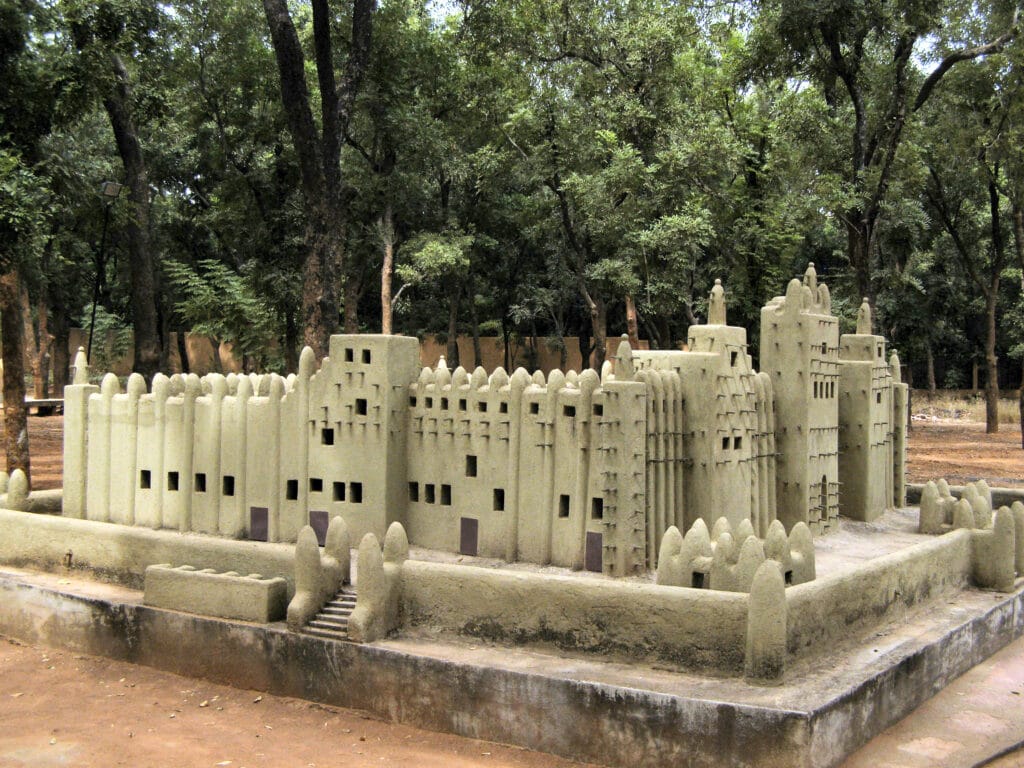
Best forMasterpieces, architecture, cultural history
Setting / nearbyAfrica
Overview
The National Museum of Mali in Bamako is one of the country’s most important cultural institutions and one of the clearest places to begin understanding Mali through history, material culture, and artistic tradition. As a national museum, it carries a broad responsibility. It is not limited to one kingdom, one region, or one single artistic form. Instead, it presents Mali as a place of deep historical continuity, cultural plurality, craftsmanship, and memory. That breadth is one of its greatest strengths and one of the reasons the museum matters not only to visitors, but to the wider cultural life of the country.
What makes the museum especially compelling is the way it connects different scales of history. Mali is often imagined through grand historical names such as Timbuktu, Djenné, or the empires of West Africa, yet the museum helps show that national culture is also built from smaller things: textiles, tools, masks, carved objects, household items, ritual forms, and the material evidence of everyday life. This is important because it makes history feel lived rather than abstract. The museum does not only tell visitors that Mali has a rich past. It allows them to see and feel the forms through which that past has been expressed.
The museum is also valuable because it gives a more grounded picture of Mali than a traveler might otherwise receive. Many visitors arrive with a handful of broad references, but the museum provides texture, specificity, and cultural range. Through its collections, Mali appears not as a simple historical label, but as a country shaped by many communities, environments, artistic traditions, and long-standing forms of exchange.
For visitors to Bamako, the museum works especially well as an introduction. It provides the kind of context that can deepen the rest of a journey, whether one later encounters markets, architecture, music, craft traditions, or regional histories elsewhere in the country. In that sense, it is both a museum in itself and a place that makes the wider cultural world outside easier to understand.
Collection Highlights
One of the museum’s strongest features is the variety of its cultural collections. A national museum of Mali is most rewarding when it shows that the country’s identity is not built from one visual language alone, and this is where the museum has real strength. Textiles, masks, carved objects, pottery, jewelry, ritual materials, and objects linked to domestic and social life all contribute to a broader portrait of Malian culture. These collections matter because they reflect not only artistry, but systems of belief, status, community, and everyday continuity.
Textiles are often especially important in a West African context, and Mali is no exception. Cloth and dress traditions carry social, symbolic, and aesthetic meaning, and they help visitors understand that art is often woven directly into lived experience. A museum becomes stronger when it shows how objects once operated in the world rather than existing only as isolated things to admire, and textile displays are especially effective in doing that. They reveal how identity, celebration, labor, and beauty can all be carried in material form.
Masks and carved wooden objects are also likely to be among the most memorable parts of a visit. These works often hold the attention of first-time visitors because of their visual force, but their real importance goes beyond appearance. In a museum context, they become ways of thinking about ceremony, spirituality, social role, and the ways communities shape meaning through performance and crafted form. When well presented, such objects help the museum feel intellectually rich rather than merely decorative.
Another important strength lies in the ethnographic and historical breadth of the collection. A strong national museum should show not only a few famous cultural types, but the diversity of regions and traditions within the country. This makes the museum much more than a display of masterpieces. It becomes a place where Mali’s internal richness and variety can be appreciated more fully.
Building and Setting
The setting of the National Museum of Mali contributes greatly to its character as a public institution. A national museum in a capital city has a civic role as well as a cultural one. It is a place where a country presents itself to citizens, students, and international visitors through preserved objects and shared historical narratives. That civic role gives the museum a seriousness that goes beyond tourism.
Architecturally, the museum’s value lies in how it supports calm attention and cultural dignity. This is not the kind of institution that depends on spectacle alone. Its strength comes from the relationship between the collections and the sense of public purpose they carry. A museum of this kind is most effective when visitors feel they are entering a place of preservation, reflection, and national memory, and that is part of what gives the visit its weight.
Its setting in Bamako also matters because the capital is one of the main places where Mali’s modern public identity is expressed. The museum therefore feels connected to the living country around it rather than cut off from contemporary life. This makes it an especially useful stop for travelers who want to understand Mali not only historically, but also as a present cultural reality shaped by its heritage.
The atmosphere of the museum is typically most rewarding when approached slowly. Museums built around cultural and historical collections often reveal their strengths through accumulation rather than through one overwhelming visual moment. Here, the power often comes from the way many different objects gradually create a fuller sense of Malian life, memory, and continuity.
Practical Information
The National Museum of Mali is best visited at a steady pace, with enough time to move through more than one section properly. Because the museum’s value lies in the breadth of its collections, rushing can reduce the experience to only a few highlights. A slower visit allows visitors to see how textiles, ritual objects, domestic items, and artistic works relate to one another and to the broader history of the country.
It is especially useful early in a trip to Mali, since it provides context that can deepen later travel. At the same time, it can also be rewarding later in a journey, when visitors may return with a stronger sense of how the museum’s objects connect to places, communities, and traditions they have already encountered. In both cases, it works best as a meaningful cultural stop rather than a quick extra.
The museum appeals to a wide range of visitors. Those interested in history, African art, ethnography, and West African cultural traditions are likely to find especially strong value here, but even general travelers can come away with a much clearer sense of Mali’s cultural richness. That broad accessibility is one of the museum’s strengths.
Why Visit
The National Museum of Mali is worth visiting because it offers one of the clearest object-based introductions to the country’s cultural and historical life. It helps visitors understand Mali not through broad summaries alone, but through the crafted, worn, used, and meaningful objects that have shaped daily life and public tradition across generations.
It is also worth visiting because it reveals Mali as a place of deep cultural plurality. The museum does not reduce the country to one story or one artistic tradition. Instead, it shows a wider field of expression, memory, and identity. That makes the visit both grounding and enlarging at the same time.
If you want a museum in Bamako that provides context, cultural depth, and a stronger understanding of Mali beyond surface impressions, the National Museum of Mali is one of the clearest choices. It is thoughtful, varied, and one of the most rewarding cultural visits in the city.