National Museum of Mali Review
Intro The National Museum of Mali in Bamako is one of the more rewarding museums in West Africa because it resists the temptation to represent the.
Intro The National Museum of Mali in Bamako is one of the more rewarding museums in West Africa because it resists the temptation to represent the.
Best forMasterpieces, architecture, cultural history
Review focusCollection highlights, building, visitor flow
Historical Context
The National Museum of Mali in Bamako plays a central role in preserving and presenting the cultural heritage of one of West Africa’s historically rich regions. Mali’s history is closely tied to powerful empires such as Ghana, Mali, and Songhai, which flourished through trade, scholarship, and artistic production. These traditions continue to influence cultural identity today, particularly through craftsmanship, music, and oral storytelling.
The museum was established to safeguard this heritage and make it accessible within a national framework. It brings together objects from across Mali’s diverse ethnic groups, including the Bambara, Dogon, Tuareg, and others, each contributing distinct artistic and cultural forms. Many of the objects displayed—textiles, masks, tools, and ceremonial items—were originally part of daily life or ritual practices rather than created as standalone artworks.
As a national institution, the museum reflects both historical continuity and modern nation-building. It provides a space where Mali’s past is preserved and interpreted, helping visitors understand the depth and diversity of cultural traditions that continue to shape the country today.
What You See on Arrival
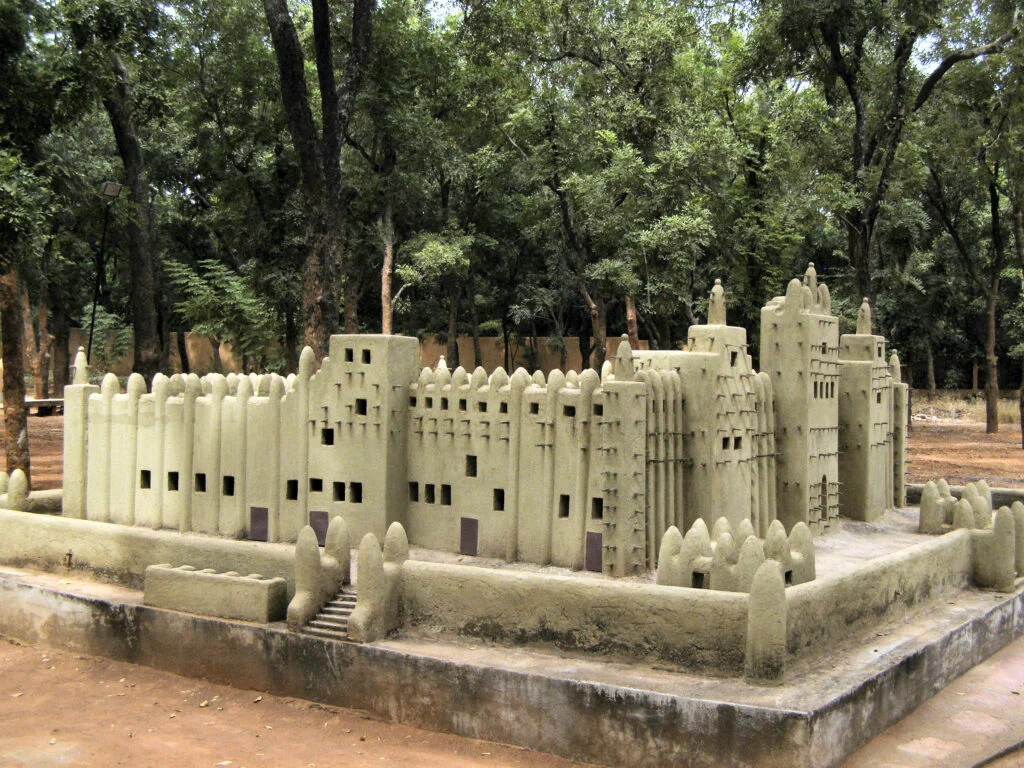
The first impression of the National Museum of Mali is shaped by its architecture and setting. The building is constructed in a style that reflects traditional Sahelian design, with earthen tones, clean lines, and subtle decorative elements that connect it visually to regional architecture. It does not dominate its surroundings but sits comfortably within them, creating a welcoming and grounded presence.
The approach to the museum is calm, with landscaped areas and open space that allow visitors to take in the building before entering. There is no overwhelming sense of scale or crowd, which immediately sets a relaxed tone for the visit.
Inside, the layout is clear and manageable. Galleries are arranged in a way that allows for easy movement between sections, without confusion or the need for a fixed route. The atmosphere is quiet and informal, with natural light and simple display cases contributing to a sense of accessibility. The mood is reflective rather than dramatic, encouraging visitors to engage with the objects at their own pace.
Highlights and Key Exhibitions
The museum’s strength lies in its ethnographic and cultural collections, which provide insight into Mali’s diverse traditions. One of the most notable highlights is the display of traditional textiles, including richly patterned fabrics that reflect regional identity and craftsmanship. These textiles are not only visually striking but also culturally significant, often linked to social status, ceremonies, and daily life.
Masks and ceremonial objects form another key part of the collection. These items, associated with rituals and performances, offer a glimpse into spiritual practices and community structures. Their forms and materials vary depending on their origin, with each piece carrying symbolic meaning tied to specific groups.
The museum also presents musical instruments, agricultural tools, and everyday objects that expand the narrative beyond ceremonial art. These pieces help visitors understand how creativity and design are integrated into all aspects of life, not limited to formal artistic production.
In addition, there are displays related to Mali’s historical empires and archaeological findings, which provide context for the region’s long-standing importance in trade and cultural exchange. While the scale of these exhibitions is modest, they contribute to a broader understanding of Mali’s place in African and global history.
Visitor Experience
The visitor experience at the National Museum of Mali is generally calm and accessible. The museum does not experience the high levels of crowding found in major international institutions, which allows for a more relaxed and personal visit. Visitors can move freely through the galleries without time pressure, making it easier to focus on individual objects.
The pacing is comfortable, and the museum’s size makes it possible to see everything within one to two hours. This makes it particularly suitable for visitors who prefer a focused experience rather than a full-day museum visit.
Signage provides basic information about the objects on display, though interpretation can be limited. In some cases, additional context would help deepen understanding, especially for visitors unfamiliar with Mali’s cultural background. However, the clarity of the layout and the strength of the objects themselves help compensate for this.
The overall atmosphere is quiet and reflective. The museum encourages observation rather than interaction, and while facilities are simple, they are functional. The experience feels authentic and grounded, rather than highly curated or commercial.
Tickets, Access, and Planning
The museum is located in Bamako and is accessible by car or taxi. Visitors should check current opening hours locally, as these may vary depending on the day and season. Entry procedures are typically straightforward, and ticket prices are generally modest.
Photography policies may vary, so it is advisable to confirm what is permitted upon arrival. Facilities within the museum are basic, and visitors should plan accordingly, particularly if they are expecting services such as cafés or extensive visitor amenities.
A visit to the museum can easily be combined with other cultural or historical sites in Bamako. Allowing one to two hours is usually sufficient for a full experience, though those with a strong interest in ethnographic collections may wish to spend more time.
Comfortable pacing is recommended, as the museum rewards slower observation and attention to detail rather than quick movement through the galleries.
Final Verdict
The National Museum of Mali is not a large or technologically advanced institution, but it holds significant cultural value. Its strength lies in its ability to present a diverse range of traditions within a single, accessible space. For visitors interested in understanding Mali’s cultural identity, it offers a meaningful and informative experience.
Who should visit? Travelers with an interest in African history, ethnography, and traditional art will find the museum particularly rewarding. It is also a valuable stop for those seeking a deeper understanding of Mali beyond its historical reputation.
Why visit? Because it provides a direct connection to the cultural practices and traditions that define the region. While the presentation may be modest, the authenticity and significance of the collection make it a worthwhile visit for anyone interested in cultural heritage.