Naturhistorisk Museum
Naturhistorisk Museum in Skagen, Denmark, is a specialist museum devoted to the natural history of the Skagen region. Its focus on local.

Best forMasterpieces, architecture, cultural history
Setting / nearbyEurope
Overview
Naturhistorisk Museum in Skagen is a specialist museum focused on the natural history of the Skagen area. It offers a different perspective from the town’s better-known art and cultural attractions by concentrating on landscape, wildlife, geology, and the environmental character of Denmark’s northern tip. That gives the museum a clear role within Skagen’s wider museum scene. It is a place where visitors can better understand the natural setting that shaped the region long before tourism and artistic fame defined its public image.
What makes the museum especially interesting is its local focus. Rather than trying to cover natural history in a broad national sense, it is rooted in the specific conditions of Skagen and the surrounding area. That makes the experience more grounded and more useful for visitors who want to connect what they see inside the museum with the beaches, dunes, birdlife, and coastal landscapes they encounter outside. The museum helps turn local nature from background scenery into something more legible and historically meaningful.
This local strength also makes the museum appealing to different kinds of visitors. Families may appreciate it as an educational stop with a clear connection to the area. Visitors interested in birds, geology, or coastal ecology will likely find more depth in the displays. Travelers who already know Skagen mainly through painting and seaside atmosphere may also find that the museum adds a valuable new layer to their understanding of the town. It explains Skagen not just as a destination, but as a distinctive natural environment.
In that sense, the museum works well as both an introduction and a complement. It can prepare visitors for time spent outdoors, and it can also help make sense of landscapes they have already seen. That practical relationship between museum and place is one of its greatest strengths.
Collection Highlights
One of the strongest aspects of Naturhistorisk Museum is its concentration on the nature of the Skagen region itself. Exhibitions linked to local animal life, coastal conditions, and geological development give the museum a focus that feels closely tied to the landscape outside. This kind of regional natural history museum can be especially rewarding because it explains the environment in specific, concrete terms rather than presenting nature in an abstract way.
Birdlife is likely to be one of the more memorable areas for many visitors. Skagen and its surrounding landscapes are widely known for their importance to migratory birds and for the richness of local wildlife. A museum that interprets this properly adds real value to the visitor experience, especially for those who may have noticed bird activity outdoors without fully understanding its ecological significance. In a place like Skagen, nature is not only scenic. It is also active, seasonal, and constantly changing.
Geology is another likely highlight. The northern tip of Jutland is shaped by wind, water, sand, and coastal movement, and this makes the region particularly well suited to natural history interpretation. Displays about dunes, beach stones, local formations, and the wider geological history of the area can help visitors appreciate why Skagen looks the way it does. These themes are especially effective when they connect landscape formation with what can still be seen directly in the surrounding environment.
The museum also seems strongest when it links the present-day environment with deeper natural history. When local wildlife, geology, and broader natural development are shown together, the result is a fuller understanding of place. That layered approach often gives smaller museums much of their value. Instead of overwhelming visitors with scale, they offer depth through focus.
Building and Setting
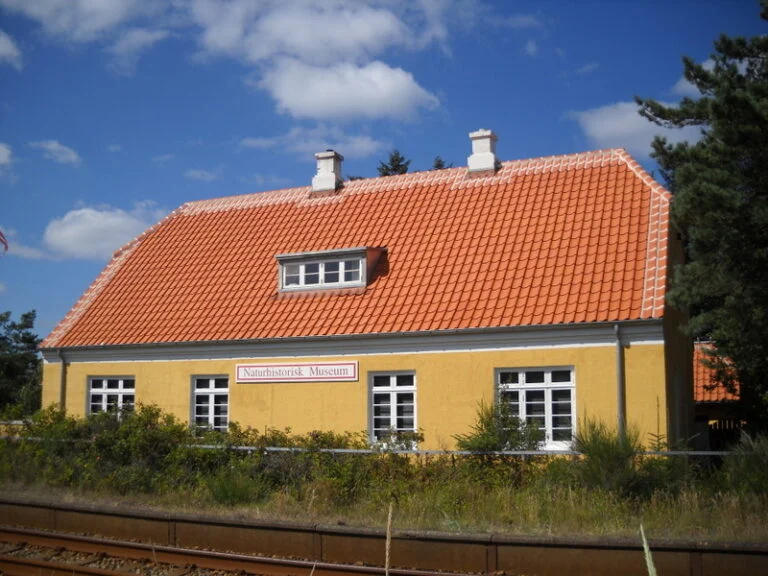
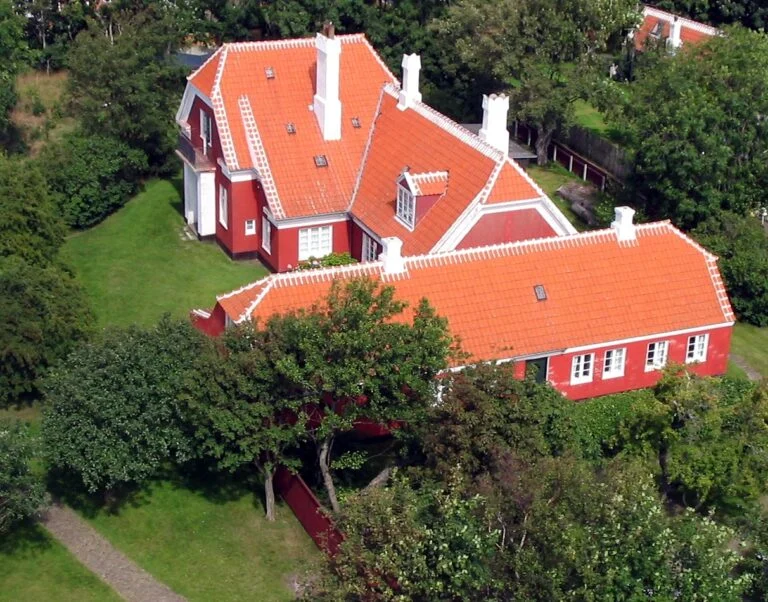
The setting of Naturhistorisk Museum adds greatly to its identity. A museum devoted to local nature works best when it feels closely connected to the environment it interprets, and this one benefits from being associated with a more personal and regionally grounded setting rather than a monumental urban institution. That smaller scale suits the subject well.
The museum’s location also matters because it appears to function not only as an exhibition space but as a base for outdoor activities and nature-related experiences in the Skagen area. This strengthens the relationship between museum and landscape. Visitors are not simply reading about local nature indoors; they are also being encouraged to connect the exhibitions with the living environment outside. That kind of interaction gives the museum a practical and educational quality that many larger institutions cannot offer in the same way.
Architecturally, the museum does not need grandeur to be effective. Its strength lies in relevance and atmosphere. A natural history museum centered on one local area benefits most from clarity, accessibility, and a direct connection to the subject. If the setting allows visitors to feel close to the local terrain and its rhythms, then it is already doing something important.
Its place within Skagen also gives it value as part of a broader museum day. Visitors often come to town for art, coastal scenery, and major local attractions, but Naturhistorisk Museum adds another dimension by showing the natural foundations beneath those cultural stories. That makes it more than a niche stop. It becomes part of a fuller understanding of Skagen itself.
Practical Information
Naturhistorisk Museum is best visited at a steady pace, especially by those who want more than a quick overview. Museums with a strong local scientific focus often reward careful reading and observation, since much of their value lies in helping visitors understand connections between wildlife, geology, landscape, and seasonality. This is particularly true in a place like Skagen, where local nature is such an important part of the wider experience.
It is especially well suited to visitors interested in natural history, birds, coastal environments, and regional ecology. Families may also find it useful because it offers a more educational and place-based experience that can be combined with time outdoors. The museum seems particularly effective when treated not as an isolated attraction, but as part of a larger encounter with Skagen’s natural surroundings.
Because practical details can vary, it is sensible to check the latest official opening hours, prices, and activity information before visiting. Museums with seasonal programming and guided nature activities can shift their schedules over the year, so checking ahead is worthwhile.
For many visitors, the museum will work best either before or after exploring local landscapes. Seen in that way, it becomes both interpretive and practical: a museum that helps explain what is happening outside rather than simply offering a detached indoor experience.
Why Visit
Naturhistorisk Museum is worth visiting because it gives Skagen’s natural setting the attention it deserves. In a town often associated above all with painters, beaches, and tourism, this museum reminds visitors that the landscape itself is one of the region’s most important stories. It provides a scientific and environmental perspective that adds depth to any wider visit.
It is also worth visiting because its subject is so closely tied to place. This is not the kind of museum that could be moved anywhere else without losing much of its meaning. Its value comes from helping visitors understand the specific wildlife, geology, and coastal conditions of Skagen and the surrounding area. That strong local focus makes it both useful and memorable.
For some visitors, the museum’s appeal will lie in birds and wildlife. For others, it will be the geological story of dunes, stones, and coastal formation. For many, the real strength will be the way these elements come together into a clearer understanding of Skagen as a natural environment rather than only a tourist destination.
If you want a Skagen museum that adds scientific depth, local relevance, and a strong connection to the landscape outside, Naturhistorisk Museum is a very good choice. It is focused, informative, and a valuable complement to the town’s more famous cultural attractions.