Zhejiang Museum of Natural History Review
Natural History Museums · Hangzhou, China. The Zhejiang Museum of Natural History, located in Hangzhou, China, is one of the prominent institutions dedicated to the natural sciences in the region. Established in the mid-20th century, it originated as a comprehensive…
Natural History Museums · Hangzhou, China. The Zhejiang Museum of Natural History, located in Hangzhou, China, is one of the prominent institutions dedicated to the natural sciences in the region. Established in the mid-20th century, it originated as a comprehensive…
Best forFamilies, nature lovers, science travelers
Review focusNatural history collections and visitor planning
Historical Context
The Zhejiang Museum of Natural History, located in Hangzhou, China, is one of the prominent institutions dedicated to the natural sciences in the region. Established in the mid-20th century, it originated as a comprehensive repository for natural specimens collected largely from Zhejiang Province and beyond. Over the decades, the museum has expanded its focus to cover a broad spectrum of natural history subjects, including paleontology, zoology, botany, and geology. Its development mirrors the growth of scientific research and environmental awareness in China. Originally, the museum served primarily a scientific community and educational role for local students, but it has since adapted to engage a wider public interest in natural history and biodiversity.
This museum stands as a valuable resource for understanding the rich geological and ecological heritage of eastern China. The collections not only trace the progression of life in the region through fossils but also emphasize contemporary biodiversity and environmental science. It occupies a crucial position in preserving knowledge about local flora and fauna at a time when modernization and urbanization have significantly affected natural habitats. The Zhejiang Museum of Natural History thus offers an encounter with the region’s natural past and present, serving both scholars and the general public with a broad scope of exhibits.
What You See on Arrival
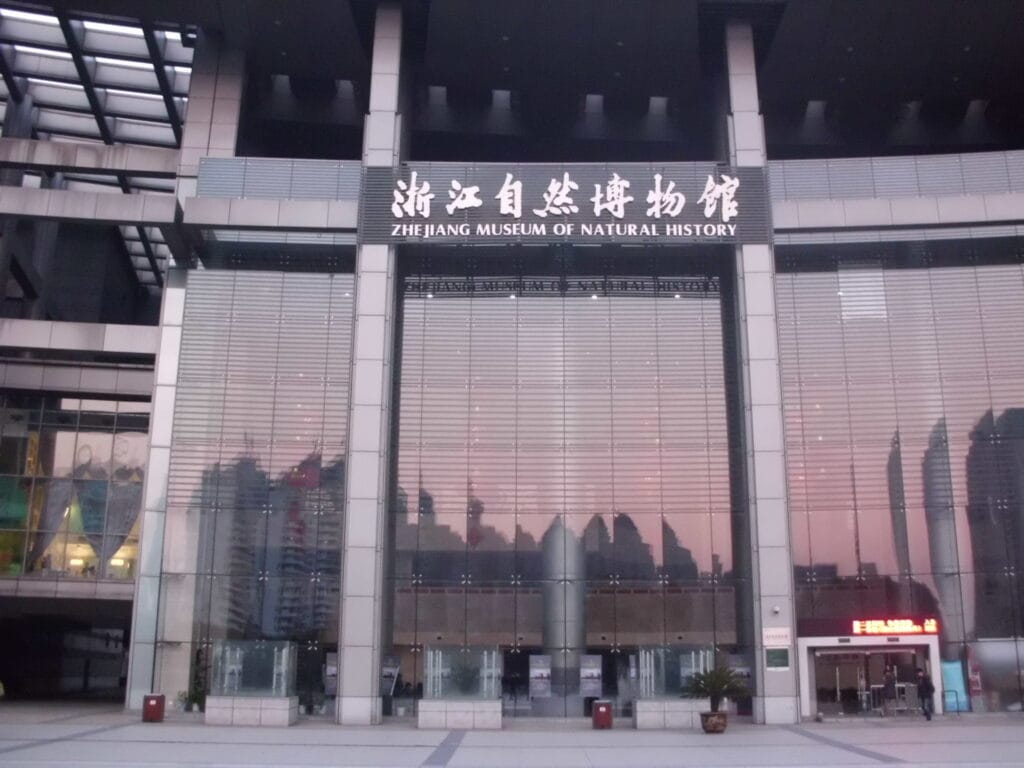
Visitors approaching the Zhejiang Museum of Natural History encounter a large, modern building situated in a city known for its cultural heritage as well as natural beauty. The museum’s exterior design is functional rather than ornamental, reflecting its primary purpose as a center for natural science rather than an art or history venue. The frontage typically features signage prominently stating the museum’s name in both Chinese and English, signaling its openness to international visitors.
The entrance area is designed to prepare visitors for a dive into natural realms. The lobby space, when described in official materials and images, often includes ready access to visitor services and introductory panels summarizing the museum’s scope. While it lacks overt theatricality, this straightforward presentation sets a clear expectation: the museum is a place to study and appreciate the material traces of life on Earth, particularly from the Zhejiang region.
Overall, the initial impression is that the museum combines educational intent with an emphasis on scientific collections. It may not evoke the grandeur commonly associated with national natural history museums but establishes credibility through its detailed focus and institutional history.
Highlights and Key Exhibitions
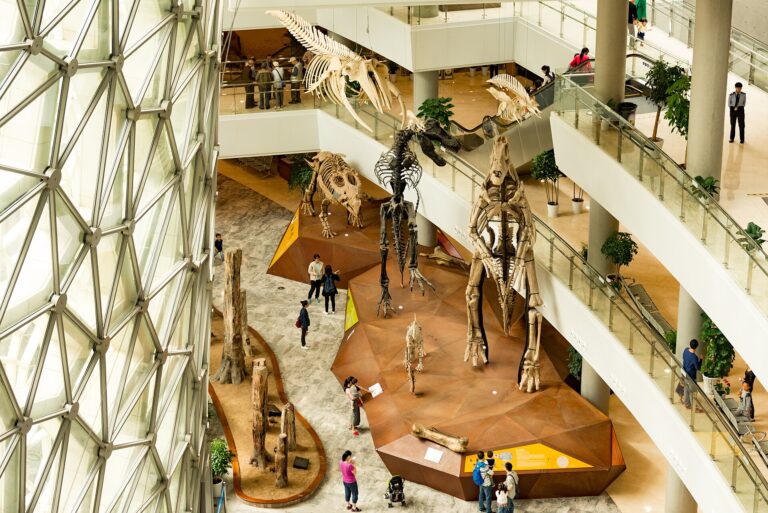
Central to the Zhejiang Museum of Natural History’s appeal is its extensive collection of fossils and specimens documenting the natural world both ancient and modern. Among these, the dinosaur fossils stand out, being a significant draw for visitors interested in paleontology. Several well-preserved specimens from regional dinosaur finds illustrate important phases of Mesozoic life. The careful arrangement of these fossils demonstrates the museum’s commitment to scientific accuracy alongside public engagement.
The museum’s paleontology galleries provide a chronological view of prehistoric life, particularly emphasizing discoveries from Zhejiang and adjacent provinces. This regional focus distinguishes it from many other natural history museums that present global narratives. Visitors can expect to encounter dinosaur skeletons, fossil plants, and ancient marine creatures that underscore the area's rich geological history.
Beyond fossils, there is a strong representation of modern biodiversity. The zoology exhibits include taxidermy animals from the region, providing insight into local ecological zones and species diversity. Birds, mammals, reptiles, and insects are displayed in ways that highlight their natural habitats and ecological relationships. These sections illustrate the biodiversity challenges faced by the region, offering a glimpse into conservation efforts.
Botanical collections include specimens of native plants, seeds, and fossils of extinct flora, which support an understanding of vegetation changes over geological time. This botanical content is less extensive than the zoological or paleontological displays but still adds important context.
Geological exhibits focus on regional minerals and rock formations, linking the museum’s natural history narrative to the physical environment. This supports an integrated view of how life and earth systems interact, emphasizing natural cycles that have shaped the landscape.
While the museum’s permanent displays concentrate largely on natural history up to the present, there is educational material about current environmental issues within Zhejiang province. These offer visitors context about ongoing efforts to balance development with the preservation of natural habitats.
The museum makes efforts to present these collections with scientific rigor but also with accessibility for non-specialists. Labels and explanatory panels include basic identification and scientific background, although language availability and interpretative depth may vary.
Visitor Experience
For visitors without a specialized background in natural history, the Zhejiang Museum of Natural History offers a coherent and instructive journey. The pacing of exhibits is generally moderate, allowing time to absorb detailed specimen displays without overwhelming the visitor. The presentation leans toward straightforward scientific communication, which may suit school groups, casual visitors curious about natural sciences, and those interested in regional natural heritage.
Interpretation within the museum is clear but not theatrical or overly simplified. It relies mainly on specimen displays supported by text panels and occasional diagrams or charts. Interactive elements, if any, are not prominently noted and likely remain modest in scope. This approach aligns with the museum’s dual role as an educational institution and research repository, appealing to those who prefer traditional museum formats.
The museum’s spatial arrangement typically clusters exhibits by subject matter—geology, paleontology, zoology, and botany—with clear transitions between themes. This layout supports logical progression and thematic clarity. Visitor flow should generally be manageable, though peak times could affect crowding, especially near the dinosaur exhibits which attract considerable interest.
One limitation for some international visitors might be signage and materials availability in English or other languages. While bilingual labels exist, the depth and breadth of translation services could be uneven, which may impact fuller engagement for non-Chinese speakers. Visitors planning an in-depth experience might prepare additional reference materials in advance or confirm guided tour options beforehand.
Educational outreach appears focused primarily on local and regional audiences, so programming and interpretive strategies may reflect that demographic’s interests and learning styles. Families with children and students in natural sciences may find the museum particularly useful as a resource outside school settings.
Tickets, Access, and Planning
Details regarding admission fees, opening hours, and visitor services should be confirmed through the Zhejiang Museum of Natural History’s official website or local tourist sources before planning a visit. Such information may change due to seasonal adjustments, maintenance schedules, or public health policies.
The museum is located in Hangzhou, a major city with significant tourist infrastructure. Access by public or private transport is feasible, subject to city traffic and route efficiencies. Visitors should verify the most current guidance on transport options.
Potential visitors should also inquire about the availability and language options of audio guides or guided tours, which can enhance understanding but may not be guaranteed. Likewise, knowing whether the museum has dedicated facilities for visitors with mobility challenges is important, although such details are best verified with official channels.
Given the museum’s scientific nature, it typically does not host commercial amenities like extensive cafés or gift shops, focusing instead on research and education. Still, local services around the site can provide necessary visitor comfort.
Final Verdict
The Zhejiang Museum of Natural History serves as a focused and informative institution, shedding light on the natural heritage of Zhejiang Province and eastern China. Its strengths lie in its paleontological collections, especially regional dinosaur fossils, and its commitment to showcasing native biodiversity and geology. It offers an educational experience grounded in scientific material, making it a worthwhile stop for visitors interested in natural sciences, local ecology, or paleontology.
However, it is not configured as a large-scale international museum with extensive visitor facilities or theatrical displays. Visitors should expect a traditionally arranged natural history museum with reliable, if straightforward, interpretive content. International tourists should prepare for possible language barriers and consult official resources for practical details.
As a provincial museum with scientific purpose, it provides value especially to those with specific interests in Chinese natural history, students, and educators. It complements the cultural richness of Hangzhou by adding a layer of natural-world knowledge, even if it lacks the polished gloss and broad appeal of national institutions.
For a clear understanding of the region’s natural past and present, the Zhejiang Museum of Natural History offers solid substance over spectacle. Potential visitors seeking a foundational experience in this subject area will find it serves that role without pretense or excess. Checking the museum’s official channels will ensure updated information supports a well-planned visit.