Zhejiang Museum of Natural History
Natural History Museums · Hangzhou, China. The Zhejiang Museum of Natural History, located in Hangzhou, China, is a museum dedicated to the natural sciences with an emphasis on the biodiversity, geology, and paleontology of the Zhejiang province and its surrounding…

Best forFamilies, nature lovers, science travelers
Setting / nearbyHangzhou, China
Overview
The Zhejiang Museum of Natural History, located in Hangzhou, China, is a museum dedicated to the natural sciences with an emphasis on the biodiversity, geology, and paleontology of the Zhejiang province and its surrounding region. It plays an important role in preserving and presenting natural heritage, reflecting the region’s rich ecological and geological history. This museum offers visitors a focused introduction to the flora, fauna, and geological formations representative of an area that spans diverse landscapes from coastal zones to mountainous terrain.
Established to promote public understanding of natural history, the museum aims to engage a broad audience, including students, researchers, and families, by delivering clear and accessible displays. Rather than attempting to cover the full global sweep of natural history, the emphasis is placed on local and regional subjects, which helps give the exhibits a clear geographical and scientific context. Visitors interested in environmental science, earth history, and Chinese natural heritage will find this institution particularly relevant.
Collection Highlights
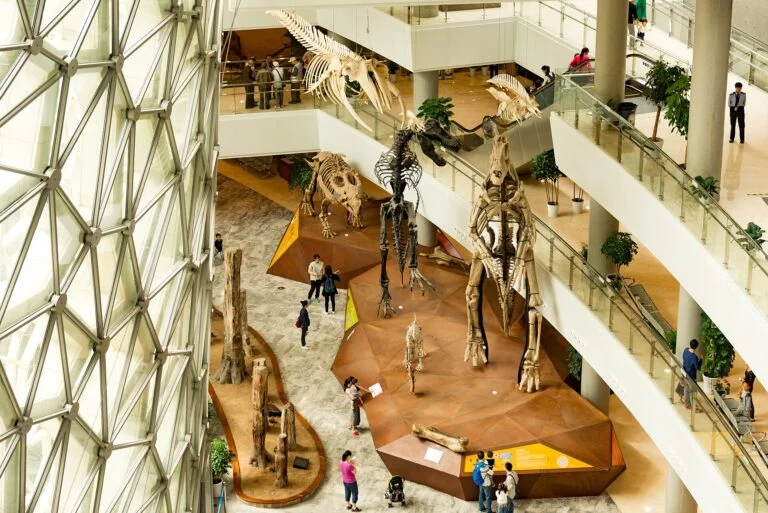
The museum’s main strength lies in its collections related to paleontology, zoology, botany, and mineralogy from Zhejiang and neighboring areas. Some highlights include extensive fossil specimens that shed light on the region’s prehistoric life, including dinosaur remains and plant fossils, which illustrate evolutionary stages and paleo-environments. These exhibits are arranged to help visitors trace the history of life on Earth, focusing on the unique developments within this part of China.
In terms of zoology, the museum displays a variety of preserved animal specimens representative of the local fauna. These range from common species to more rare or endangered animals, contributing to an understanding of biodiversity and conservation issues at the provincial level. The botanical specimens offer insights into native plant species and their ecological roles, with some attention paid to both wild and cultivated plants significant to regional culture and economy.
The mineralogical collections include samples that illuminate the geological processes shaping Zhejiang’s landscape. Certain exhibits explain the region’s rich mineral resources and their role in human industry and history. Overall, the collection is comprehensive enough to provide a coherent narrative on natural history but remains specialized to maintain scientific clarity and depth.
The exhibits are typically accompanied by informative labels, maps, and occasional multimedia stations that aim to make complex scientific ideas understandable to the general public. The presentation style avoids overly technical jargon, aiming instead for clarity and engagement.
Building and Setting
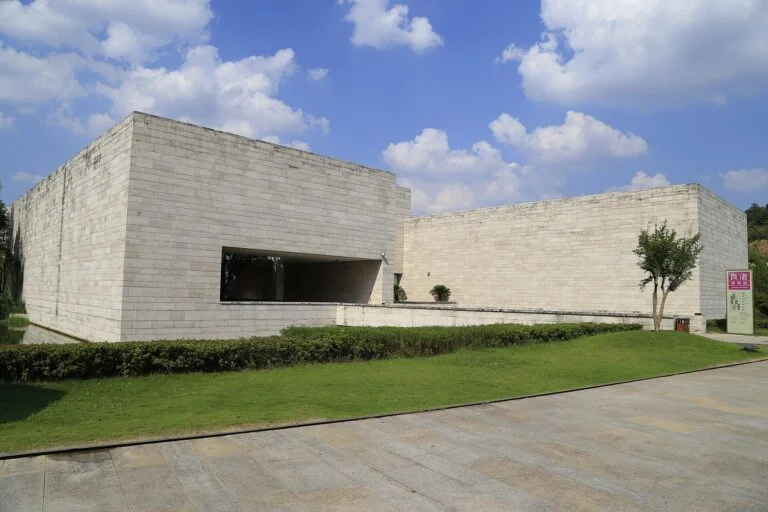
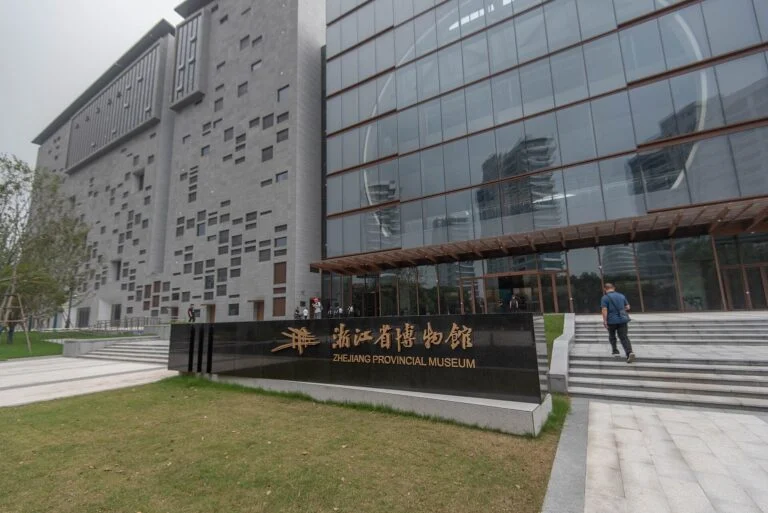
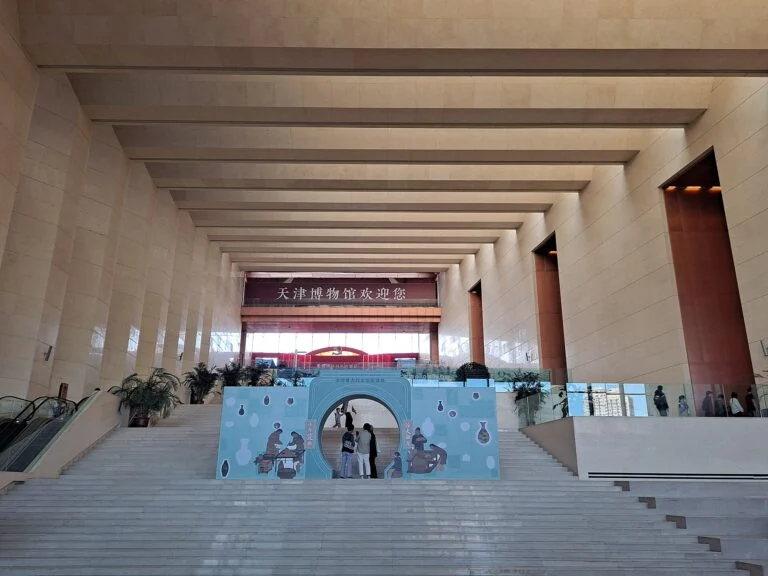
The Zhejiang Museum of Natural History is situated in Hangzhou, a city with a long cultural history and well-known scenic surroundings. The museum’s building itself is functional and modern, designed to support large exhibit spaces and visitor circulation. It is integrated into the city in a way that makes it accessible for both local residents and visitors to Hangzhou.
The layout allows for chronological and thematic organization of exhibits, helping visitors navigate from prehistoric periods through more recent natural developments. The architecture emphasizes practical lighting and display needs rather than elaborate stylistic statements, focusing on aiding the educational mission. The location within Hangzhou provides good opportunities for combining a visit with other local attractions, especially those related to Chinese culture and history.
Practical Information
For those planning a visit to the Zhejiang Museum of Natural History, it is advisable to check the museum’s official website before arrival. This will provide the most current information on opening hours, ticket policies, accessibility arrangements, and available visitor services. Admission procedures and ticketing details may vary, so prospective guests should confirm these ahead of time to avoid inconvenience.
The museum’s facilities typically accommodate a range of visitor needs, but specifics regarding guided tours or audio guides should be verified directly. Similarly, details about parking, café services, and museum shops may fluctuate, and visitors should not rely on unconfirmed reports. As with many museums focusing on natural history, children and students may benefit from the educational value of the exhibits, but planning for the visit’s length and interest level can help ensure a positive experience.
Why Visit
Visiting the Zhejiang Museum of Natural History offers a focused perspective on the natural environment and biological history of a region that is less often highlighted in more general museum guides. It suits visitors who prefer a science-based approach to understanding nature without the distraction of unrelated popular culture displays. The museum’s strength is in making the evolutionary and ecological narratives of Zhejiang comprehensible and tangible.
The museum may particularly reward those interested in paleontology or regional biodiversity, as it houses collections and exhibits that support research and education in these areas. It also serves as a useful resource for educators and students in life and earth sciences. For travelers curious about the natural sciences or seeking to complement a cultural visit to Hangzhou with exposure to its physical environment, the Zhejiang Museum provides worthwhile context.
While it does not try to present a comprehensive or global scope, this focus ensures that exhibits can go into more detail on the natural history of the local area than many larger institutions might. Some visitors might find the absence of broader international specimens limiting, but this clarity of purpose ensures a depth of information on Zhejiang itself.
In summary, the Zhejiang Museum of Natural History in Hangzhou is a museum shaped around its location, regional science, and nature conservation. It works well for those with a methodical interest in natural history within a Chinese provincial context, framing biological and geological change with clear scientific evidence and careful curation. The museum encourages appreciation of the natural world through focused collections and educational displays that remain accessible to a broad public.