Thorsvang – Danmarks Samlermuseum Review
Stege, Denmark. Thorsvang – Danmarks Samlermuseum occupies a distinctive niche in Denmark’s museum landscape by focusing on the culture and practice of collecting. Located in the town of Stege, on the island of Møn, this museum…
Stege, Denmark. Thorsvang – Danmarks Samlermuseum occupies a distinctive niche in Denmark’s museum landscape by focusing on the culture and practice of collecting. Located in the town of Stege, on the island of Møn, this museum…
Best forMuseum lovers, culture travelers, first-time visitors
Review focusCollections, visitor experience, and practical planning
Purpose, Place, and Perspective
Thorsvang – Danmarks Samlermuseum occupies a distinctive niche in Denmark’s museum landscape by focusing on the culture and practice of collecting. Located in the town of Stege, on the island of Møn, this museum sets out to explore not only the eclectic objects assembled by private collectors but also the broader appeal and cultural significance of collecting itself. The intention is to offer visitors insight into the stories and motivations behind collecting, as well as the historical and social contexts that shape collections. Rather than strictly centering on fine art or a single historical period, the museum’s purpose is to illustrate how collecting reflects aspects of everyday life, taste, and nostalgia.
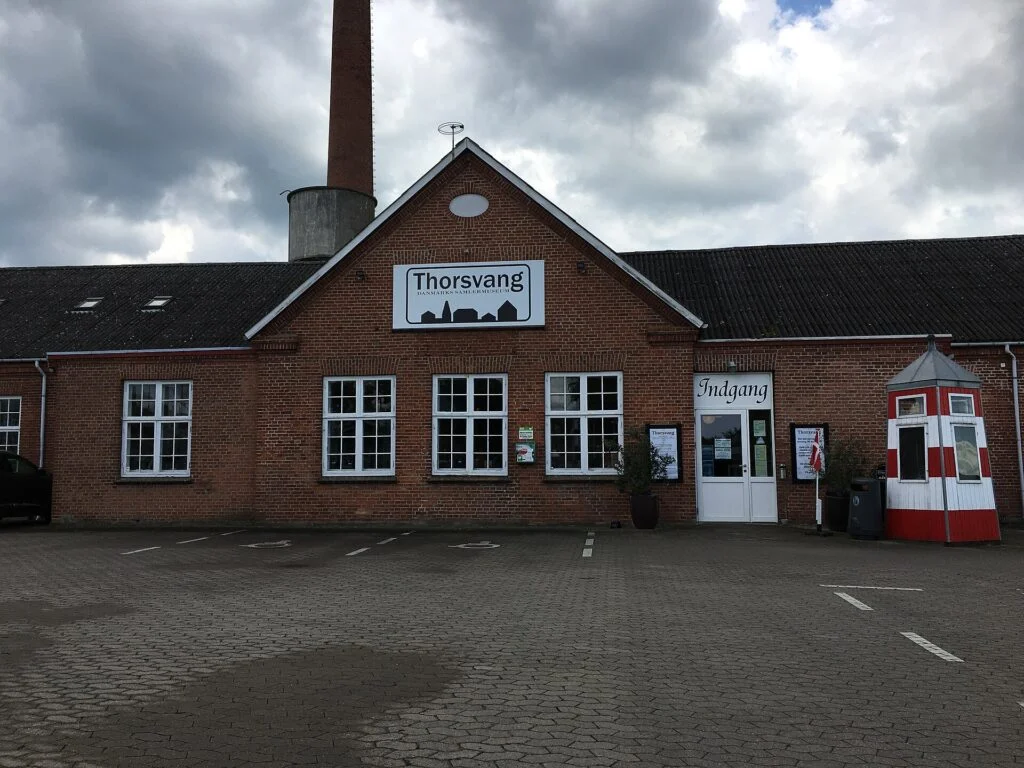
The museum occupies a former factory building, which provides a rugged yet adaptable space for its displays. This choice of venue is relevant to its content—thrift and the repurposing of found objects figure prominently in many collections. By situating the museum in Stege, a small provincial town rather than Denmark’s capital, it both reflects and contributes to regional cultural accessibility. The museum’s perspective balances local identity with a more universal curiosity about the human impulse to gather and preserve objects. This positioning influences what its visitors can expect: a grounded, sometimes idiosyncratic journey through collecting practices, rather than mainstream canonical narratives.
The Core Collection
At the heart of Thorsvang is its extensive range of everyday artifacts, toys, souvenirs, household items, and memorabilia collected primarily from the 19th and 20th centuries. The core collection grew out of the personal assemblage of one dedicated collector who acquired thousands of items—everything from shop interiors and trade signs to packaging and old-fashioned ephemera. These objects illustrate a material culture revolving around consumption, commerce, and the domestic sphere, lending insight into ordinary Danes’ lives over the past century and a half.
The collection is notable for its density and breadth, offering a panoramic view of objects that rarely find prominence in traditional museums. Visitors encounter authentic, carefully recreated shop settings where the original inventory and shelving are preserved, giving a tangible sense of historical retail environments. This immersive, reconstructed approach situates the objects within their intended functional and aesthetic contexts. The materials speak to multiple layers of social history, including changing technologies, fashion, and commercial practices.
Unlike pure art museums or high history institutions, Thorsvang’s collection emphasizes the vernacular and the accumulated detail of consumer culture. Its focus is not on individual masterpieces but on assemblages and narratives about everyday goods and their social meanings. This can make the experience feel either richly rewarding for those interested in cultural history or overwhelming for others encountering such a volume of varied objects without a clear chronological or thematic framework.
Exhibitions and Interpretation
The museum’s interpretation leans heavily on the original collector’s passion, which informs the display strategy and narrative voice. Exhibitions are structured as a combination of detailed room reconstructions and thematic groupings, with explanatory panels providing historical and cultural background. The emphasis is on uncovering the stories behind the objects, from anecdotes about individual tradespeople to explanations of product design shifts over time.
Because the coverage is wide-ranging, interpretation must balance depth with accessibility. Some interpretive texts and labels are concise and effective in drawing connections between items and their contexts. However, the density of material can sometimes challenge visitors who seek clearer navigational aids or a tighter thematic narrative. The museum deliberately eschews heavy-handed scholarly discourse in favor of a more approachable, collector-driven tone, which suits general audiences but might leave those seeking critical or theoretical insights wanting.
There is less focus on digital or interactive tools in the permanent displays, with interpretation relying mainly on traditional signage and physical arrangement. This minimalist approach encourages visitors to engage directly with the material environment but might not cater to those who prefer multimedia or participatory formats.
Audience Fit and Visitor Flow
Thorsvang naturally appeals to visitors with interests in cultural history, material culture studies, nostalgia, and collecting as a hobby. Its detailed shop and household reconstructions, along with the sheer variety of objects, will attract those who enjoy observing the small details of past daily life. The museum can serve as an educational resource for families, school groups, and collectors, though the density of exhibits means that children or casual visitors seeking a lighter experience might find it intense or demanding.
The museum space was adapted from industrial premises, resulting in a somewhat unconventional layout. This can affect visitor flow, as some rooms are compact and packed with items while others offer more open display. The route through the museum is generally coherent but requires a willing engagement from visitors prepared to move through dense displays and read numerous labels. There are resting spots but limited formal seating scattered throughout.
Because the museum primarily reflects one collector’s life work, it sometimes assumes a level of enthusiasm or patience that casual visitors might lack. While the displays are visually rich, those expecting a fast-paced or easily digestible visit should allow flexibility in their expectations.
Highlights and Trade-Offs
The recreated early to mid-20th-century Danish shops are the museum’s standout features. These offer a rare, immersive glimpse into commercial interiors where objects are displayed as they would have been in daily use. From grocery items in glass jars to vintage signage, the attention to detail is impressive and highlights how apparently ordinary objects can gain a new cultural resonance in a museum context.
The sheer volume and variety of smaller artifacts—packaging, toys, souvenirs—comprise a significant strength. They remind visitors that collecting is not only about rarities or masterpieces but also about everyday memories and emotional connections to objects. For those interested in design history, these items trace evolving visual styles and consumer habits in a tangible way.
On the other hand, this density also presents a limitation. The tightly packed displays sometimes create visual clutter, making it difficult to fully absorb individual items or themes. Interpretation, while grounded and practical, can occasionally feel like background noise amid the physical richness. Those seeking a leaner narrative or more interactive engagement may find the format somewhat old-fashioned.
Additionally, the museum’s rural location in Stege may be a drawback for international visitors primarily based in Denmark’s larger cities. The limited public transport options could hinder spontaneous visits. This geographic reality underlines the importance of advance planning for those who prioritize convenience.
Visit Planning
Prospective visitors should check the museum’s official website before planning their trip, as details concerning opening hours, admission, guided tours, audio guides, accessibility arrangements, and booking procedures can vary or change. Given the site’s layout and collection density, it is advisable to allow at least a couple of hours to engage meaningfully with the displays. The museum does not rely heavily on digital interpretation or high-tech interactive experiences, so prior knowledge or an interest in collecting history will enhance the visit.
Since the museum is located outside major urban hubs, accommodation and dining options nearby are limited compared to larger tourist centers. Visitors might consider combining a trip to Thorsvang with exploration of Stege and Møn’s other cultural or natural attractions. The experience is best suited to those who prefer focused, documentary-style museums rather than large, contemporary institutions oriented toward quick thrill or spectacle.
The Bottom Line
Thorsvang – Danmarks Samlermuseum occupies an unusual and rewarding cultural niche by chronicling collecting practices and material culture with commendable depth. Its core value lies in the reconstruction of authentic shop environments and the breadth of vernacular objects that underscore the social histories of consumption and domestic life in Denmark’s recent past.
The museum excels when it leans into its strengths as a collector’s museum: detailed artifact displays, evocative interiors, and a perspective grounded in personal passion. It may stretch some visitors with its sheer volume of material and limited interpretive variety, but those with patience and curiosity will find a wealth of stories embedded in the everyday.
The rural location is both an appeal for those interested in the town and region and a practical consideration for visitors who must plan logistics carefully. Thorsvang is well suited to enthusiasts of material culture, collectors, and history buffs keen on the textures of ordinary life rather than a broad, critical overview of Denmark’s history or art world.
Ultimately, this museum is a specialized resource rather than a broad-based cultural center. Its displays reward careful attention and invite a slower pace, and its focus on collecting as a cultural phenomenon offers distinctive insights. Visitors looking for a quiet, contemplative atmosphere amid tangible traces of Danish retail and domestic heritage will find Thorsvang a worthwhile stop. However, those seeking a dynamic or interactive museum experience might need to temper their expectations or supplement the visit with other cultural sites in the region.