Yuz Museum Review
Art Museums · Shanghai, China. The Yuz Museum in Shanghai embodies the dynamic interaction between contemporary art and the rapidly evolving urban landscape of one of China’s most vibrant cities. Founded in 2014, the museum has quickly established itself…
Art Museums · Shanghai, China. The Yuz Museum in Shanghai embodies the dynamic interaction between contemporary art and the rapidly evolving urban landscape of one of China’s most vibrant cities. Founded in 2014, the museum has quickly established itself…
Best forMasterpieces, architecture, cultural history
Review focusCollection highlights, building, visitor flow
Historical Context
The Yuz Museum in Shanghai embodies the dynamic interaction between contemporary art and the rapidly evolving urban landscape of one of China’s most vibrant cities. Founded in 2014, the museum has quickly established itself as a significant player on the global art stage, reflecting Shanghai’s ambition to become a nexus of cultural exchange and innovation. Housed within a repurposed industrial space in the West Bund area—a district emerging from its industrial past into a flourishing arts and culture hub—the Yuz Museum embraces the concept of transformation both physically and curatorially. Its foundation coincides with a broader surge of contemporary art institutions in China, aimed at nurturing dialogue between Eastern and Western art practices, challenging traditional boundaries of art consumption. The museum's name, Yuz, which suggests a blend of heritage and modernity, mirrors its curatorial focus on avant-garde visual expressions and installations that engage with sociopolitical issues, identity, and the environment. This commitment places Yuz Museum at the cutting edge of cultural discourse in Shanghai and beyond.
What You See on Arrival
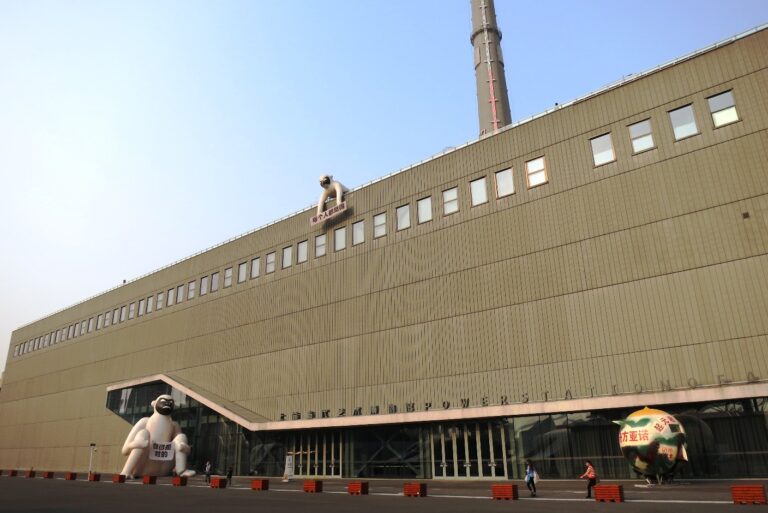
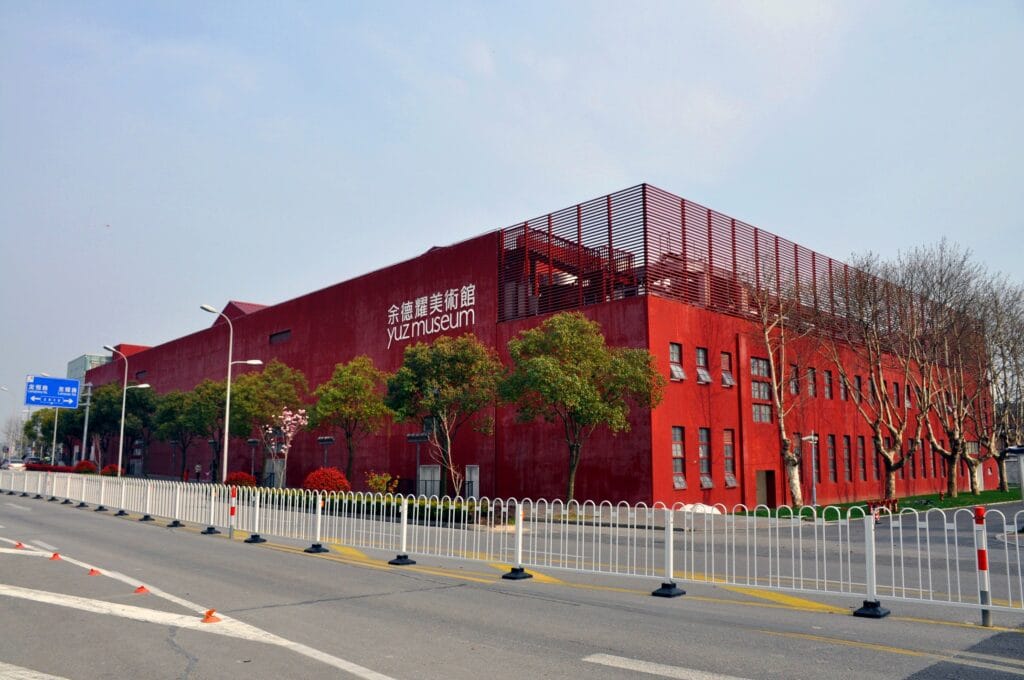
Approaching the Yuz Museum, visitors are met by an impressively large industrial structure that immediately signals the space’s original purpose as a manufacturing warehouse. The building’s exterior is characterized by minimalist lines and an aesthetic that balances raw, industrial grit with modern refinement, fitting well within the broader architectural language of the West Bund cultural district. The façade is subdued, with subtle branding that hints at the sophistication inside rather than overwhelming the senses. The museum’s location near the Huangpu River offers scenic views and a sense of calm, contrasting with the frenetic cityscape just beyond. The entrance area opens into a spacious lobby designed to accommodate large crowds, with clean lines and ample natural light filtering through expansive windows. Visitors can anticipate a sense of openness and an invitation to explore, setting the tone for the contemporary art within. The courtyard and surrounding outdoor areas also provide an appealing setting for reflection and informal gatherings, often utilized for outdoor exhibits or events.
Highlights and Key Exhibitions
Yuz Museum’s collection and programming underscore a commitment to presenting cutting-edge contemporary art by both Chinese and international artists. While the museum does not rely on a permanent collection, its rotating exhibitions frequently showcase large-scale installations that challenge viewers’ perceptions and encourage immersive engagement. Noteworthy is the museum’s ability to attract global contemporary art figures and to feature ambitious site-specific works that respond to the industrial environment and Chinese cultural themes. Exhibitions often emphasize multidisciplinary approaches, incorporating mixed media, digital art, and conceptual forms. Past presentations have involved collaborations with leading artists whose works address topics such as urbanization, technological change, and cultural memory. The museum’s exhibition layout allows for fluid movement between galleries, encouraging visitors to experience a cohesive narrative or thematic journey. Artworks are typically displayed with consideration for spatial dialogue, enhancing the impact of each piece within the context of the museum’s expansive industrial interiors.
Visitor Experience
The visitor experience at Yuz Museum is designed to be immersive and thought-provoking, catering to a diverse audience ranging from art novices to seasoned enthusiasts. The museum’s staff are typically well-informed and helpful, providing insights that enrich the understanding of complex contemporary artworks. Signage and exhibition labels offer clear explanations without overwhelming the viewer, striking a balance between accessibility and intellectual rigor. The museum's spatial design supports easy navigation, though the scale of the building can feel vast, which might be daunting for some. Seating areas are strategically positioned, offering spaces for contemplation or rest amid the often intense visual stimuli of the exhibits. In addition to visual art, the museum frequently engages visitors through educational programs, artist talks, and workshops, making it a valuable resource for community engagement and art education in Shanghai. Amenities such as a museum café and gift shop enhance the visit, providing convenient spots to unwind or acquire art-related merchandise. Overall, a visit to Yuz Museum promises an enriching encounter with the forefront of contemporary artistic practices.
Tickets, Access, and Planning
Planning a visit to the Yuz Museum requires some attention to detail, particularly regarding ticketing and transportation options. Entry fees are reasonably priced, making the museum accessible to a broad audience, including students and local residents who may benefit from discount schemes. Advance booking is advisable, especially during weekends, holidays, or periods coinciding with major exhibitions, to avoid queues and ensure entry. The museum’s location in the West Bund, while somewhat removed from the busiest commercial centers of Shanghai, is well-connected by public transport, including metro and bus lines. Parking facilities exist but can be limited during busy periods, so public transit is generally recommended. Accessibility for visitors with mobility challenges is adequate, with elevators and ramps throughout the building, though the industrial nature of the space means some areas may present slight logistical challenges. The museum’s official website provides up-to-date information on current shows, opening hours, ticket prices, and visitor guidelines, which proves essential for aligning expectations and making the most of the trip.
Final Verdict
The Yuz Museum in Shanghai stands out as a prominent contemporary art institution that manages to bridge global artistic currents with local cultural narratives in a compelling industrial setting. Its thoughtful use of space, ambitious exhibitions, and commitment to fostering dialogue between artists and audiences position it as a vital cultural landmark not only in Shanghai but on the international art scene. While the museum’s spaciousness and industrial origins may feel imposing to some, the overall visitor experience is enriched by knowledgeable staff, clear interpretive materials, and supportive amenities. Its focus on large-scale, often experimental works ensures that it remains at the forefront of contemporary artistic exploration, inviting visitors to engage critically with pressing cultural and societal themes. For anyone interested in the evolution of contemporary art within the context of China’s fast-changing urban environment, the Yuz Museum offers a rewarding and insightful visit that reflects both the promise and challenges of contemporary cultural production in the 21st century.