Solomon R Guggenheim Museum Review
Art Museums · New York City, United States. The Solomon R Guggenheim Museum in New York City stands as a seminal institution in the landscape of modern and contemporary art. Founded in 1939 by philanthropist Solomon R. Guggenheim and artist Hilla von…
Art Museums · New York City, United States. The Solomon R Guggenheim Museum in New York City stands as a seminal institution in the landscape of modern and contemporary art. Founded in 1939 by philanthropist Solomon R. Guggenheim and artist Hilla von…
Best forMasterpieces, architecture, cultural history
Review focusCollection highlights, building, visitor flow
Historical Context
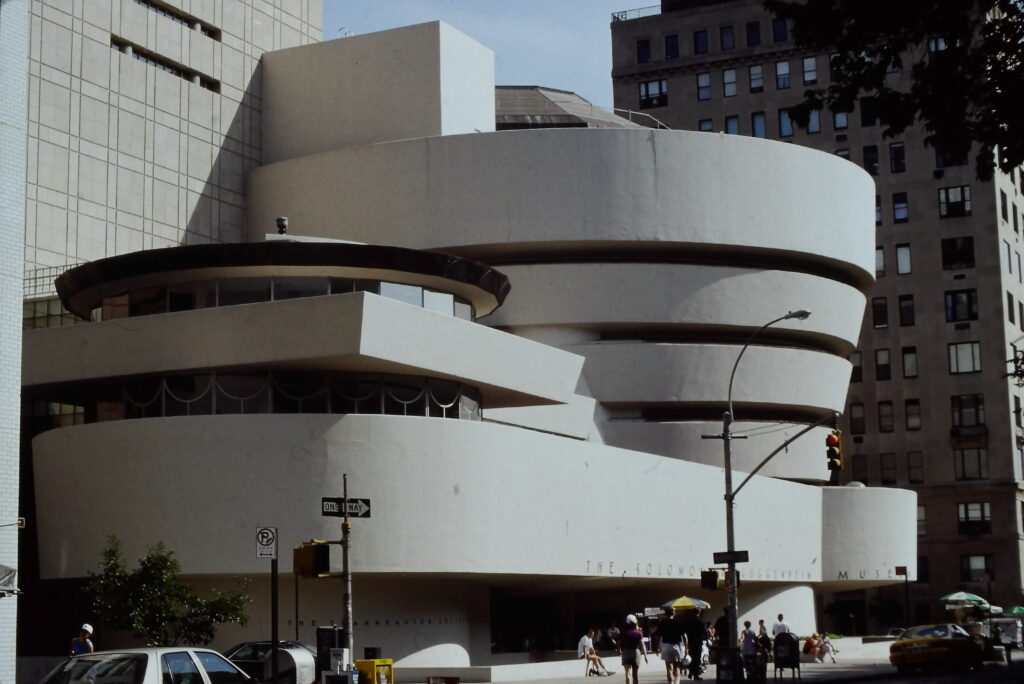
The Solomon R Guggenheim Museum in New York City stands as a seminal institution in the landscape of modern and contemporary art. Founded in 1939 by philanthropist Solomon R. Guggenheim and artist Hilla von Rebay, the museum was originally conceived to showcase non-objective art, emphasizing abstract expressionism and avant-garde movements. It officially opened to the public in 1959, marked by the visionary design of Frank Lloyd Wright. The museum’s spiraled, cylindrical building broke away dramatically from conventional museum architecture, offering a revolutionary approach to the display and experience of art. Over the decades, the Guggenheim expanded its mission, incorporating a broader range of modern art styles, including impressionism, post-impressionism, and contemporary pieces. Situated on Fifth Avenue along the Museum Mile, its distinctive presence has contributed not only to New York City’s cultural vitality but also to ongoing debates about architecture’s role in framing art. It remains a landmark symbol of innovation and modernist ideals within the global museum community.
What You See on Arrival
Approaching the Solomon R Guggenheim Museum, visitors are immediately confronted with its iconic exterior—a sweeping white concrete spiral rising smoothly against the urban backdrop of Manhattan. The design eschews the typical boxy museum facade for a rounded form that curves organically upward, inviting curiosity and contemplation even before entering. The approach along Fifth Avenue offers glimpses of the museum’s exterior form, which contrasts with the traditional architecture lining the street. At the entrance, a modest pavilion serves as the main entry point, guiding visitors inward. Inside, the museum opens dramatically to the central rotunda, which reveals the continuous spiral ramp that winds upward, creating an uninterrupted flow of gallery space. This distinctive architectural feature encourages a unique method of navigation, framing artworks within a progressive and dynamic spatial experience. The interplay between the natural light filtering through the skylight above and the white walls accentuates the purity of form and enhances the visibility of the art on display.
Highlights and Key Exhibitions
The Guggenheim’s collection is a cornerstone of 20th and 21st-century art, highlighting pivotal movements and artists who have shaped contemporary aesthetics. Permanent holdings feature seminal works by trailblazers such as Wassily Kandinsky, whose abstract compositions echo the museum’s original mission. Other celebrated figures include Pablo Picasso and Jackson Pollock, whose canvases exemplify Cubism and Abstract Expressionism respectively. The museum is also known for its commitment to showcasing the likes of Marc Chagall, Paul Klee, and more recent innovators pushing the boundaries of modern art. The design of the museum itself enhances how these works are experienced: the gentle slope of the continuous ramp allows visitors to view installations in a flowing sequence, creating an informal dialogue between pieces across different styles and periods. This fluid exhibition methodology offers an interpretative depth that challenges traditional compartmentalized gallery viewing. While not every visitor may find this layout conducive to in-depth study of individual works, it undeniably fosters a holistic engagement with the evolution of modern art.
Visitor Experience
Navigating the Guggenheim’s spiraled interior offers a distinct sensory experience that blends architecture and art in a cohesive narrative. Visitors generally find the open rotunda space inspiring, as it opens the view both upward and downward along the winding path of the ramp. This design encourages continuous movement and offers changing perspectives on artworks depending on one’s position along the slope. However, some may find the lack of clear separation between galleries challenging when attempting to focus on specific artists or movements without the interruption of adjacent exhibits. The museum’s lighting is carefully calibrated to highlight the artworks while preserving the integrity of the space, though times of the day with stronger natural light can introduce glare or shadows. The museum also incorporates various digital and print resources to assist visitors, including detailed wall texts and multimedia guides that deepen contextual understanding. The atmosphere within the Guggenheim tends towards contemplative quiet, conducive to thoughtful art engagement. Amenities such as a café and gift shop round out the visit, providing spaces for reflection and souvenir acquisition.
Tickets, Access, and Planning
The Solomon R Guggenheim Museum is situated in a prime central location that is accessible by numerous public transit options, including subway lines and buses, making it convenient for both local and international visitors. Entry tickets are reasonably priced and can be purchased online through the museum’s official portal, which is user-friendly and provides clear information regarding opening hours, special exhibitions, and any visitor advisories. Timed ticketing is employed to manage the flow of visitors, particularly during peak seasons, ensuring a comfortable and less congested experience. The museum offers various discounts for students, seniors, and groups, with occasional free admission days designed to increase accessibility. Additionally, the Guggenheim is committed to accommodating visitors with disabilities, providing wheelchair access and services such as sign language interpretation and assistive listening devices. Due to the unique spiral design, mobility within the building can be more straightforward than the traditional multi-floor museums, yet some areas may still require assistance for those with limited mobility. Prospective visitors are encouraged to plan their visit in advance, paying attention to current exhibition listings and any special programs or tours available.
Final Verdict
The Solomon R Guggenheim Museum remains a vital institution in the modern art world, combining a world-renowned collection with an architectural icon that continues to inspire debate and admiration. Its innovative design challenges conventional museum norms and offers a unique visitor experience that blends visual arts with spatial storytelling. While the continuous ramp gallery format may not suit every visitor’s preference for segmented viewing, it undeniably provides a dynamic way to engage with the progression of modern art movements. The museum’s careful curation offers a compelling array of masterpieces alongside thoughtfully integrated newer works, ensuring relevance across generations. Accessibility and visitor services are robust, reflecting a commitment to welcoming diverse audiences. For those interested in art history, architecture, and cultural discourse, the Guggenheim is a destination of exceptional significance. Its place within New York City’s cultural fabric and the broader international art scene ensures that it will continue to be both a beacon and a crucible for artistic innovation in the years to come.