Viking World Museum Review
Viking Museums · Reykjanesbær, Iceland. The Viking World Museum in Reykjanesbær, Iceland, offers visitors a comprehensive exploration of the Viking Age, a defining period that shaped much of Northern European history between the late 8th century and the early…
Viking Museums · Reykjanesbær, Iceland. The Viking World Museum in Reykjanesbær, Iceland, offers visitors a comprehensive exploration of the Viking Age, a defining period that shaped much of Northern European history between the late 8th century and the early…
Best forMaritime history, ships, harbour heritage
Review focusCollection, setting, visitor experience
Historical Context
The Viking World Museum in Reykjanesbær, Iceland, offers visitors a comprehensive exploration of the Viking Age, a defining period that shaped much of Northern European history between the late 8th century and the early 11th century. This epoch is renowned for its expansive seafaring expeditions, intricate craftsmanship, and cultural exchanges that influenced the development of societies across the North Atlantic region. Iceland’s unique geographical and historical context makes it an essential location for understanding Viking heritage, as the island was one of the last territories settled by Norse explorers. The museum situates these maritime pioneers within the broader narrative of medieval Scandinavian life, while also underlining their enduring legacy in modern Icelandic culture. Focusing on archaeological finds, historical texts, and material culture, the Viking World Museum sheds light on the lives of these early explorers, traders, and settlers, providing a tangible connection to a past that continues to captivate global audiences interested in Viking lore and history.
What You See on Arrival
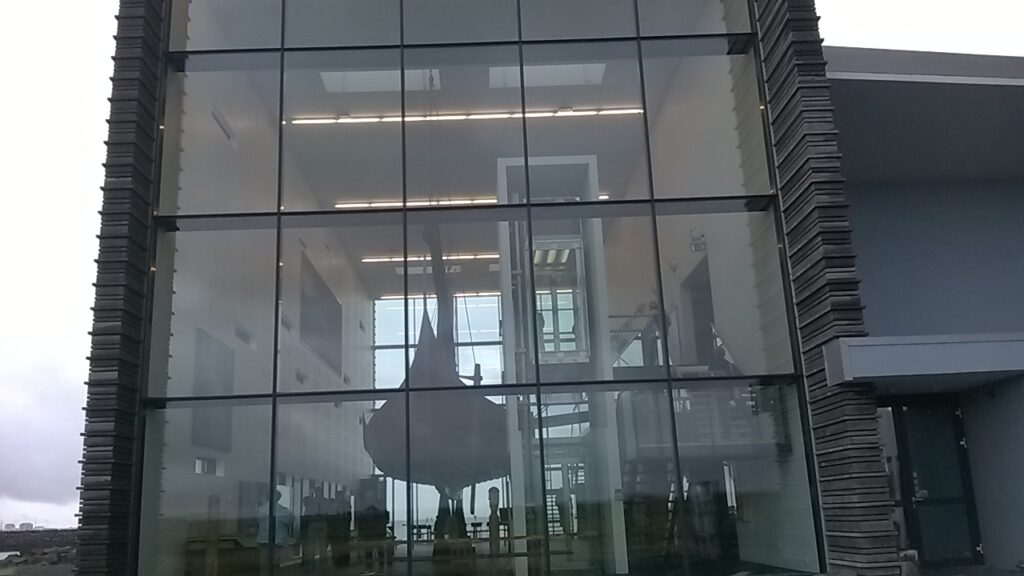
Upon arrival at the Viking World Museum, visitors are immediately greeted by the striking centerpiece of the site: a full-scale replica of the Gokstad Viking ship. This meticulously crafted vessel, displayed within a spacious, light-filled exhibition hall, commands attention and sets the tone for the rest of the visit. The modern architecture of the museum building itself, combining sleek lines with natural materials, ensures that the ship remains the focal point while offering an inviting and accessible environment. Around the entrance and lobby, introductory panels provide an overview of the museum’s focus, with maps and timelines that situate visitors geographically and historically. The setting, nestled near the scenic coastline of Reykjanesbær, further enhances the maritime atmosphere, reinforcing the waterborne explorations that characterized Viking voyages. This initial impression prepares visitors for a dive into the complexities of Viking history, culture, and archaeological discovery.
Highlights and Key Exhibitions
The museum’s most prominent feature is the Gokstad ship replica, built to exacting standards using traditional Viking shipbuilding techniques. This artifact embodies the essence of Viking maritime prowess, providing an immersive reference point for understanding their seafaring adventures, ship design, and naval technology. Beyond this iconic centerpiece, the museum’s permanent exhibitions include an array of archaeological artifacts sourced from Viking sites around Iceland and Scandinavia. Weapons, tools, everyday household implements, and personal adornments offer intimate insight into the lives of Vikings beyond their often-romanticized warrior image.
One key exhibition delves into the art and craftsmanship of the period, highlighting intricate wood carvings, metalwork, and textiles, which underscore the sophistication of Viking artisans. Another critical display focuses on the Viking diaspora and their voyages across the Atlantic, including the settlement of Greenland and North America, framing Iceland as both a bridge and a destination in these expansive migration routes.
Interactive multimedia presentations and detailed reconstructions of Viking dwellings and settlements help contextualize the artifacts, providing visitors with a layered understanding of Viking social structures, belief systems, and daily routines. The museum also prioritizes the role of women and children in Viking society, counterbalancing common stereotypes and showcasing a multifaceted community.
Visitor Experience
Visitors to the Viking World Museum can expect a thoughtfully curated experience designed to engage a broad audience, including families, scholars, and those new to Viking history. The layout of the exhibitions encourages a chronological and thematic journey, facilitating a coherent narrative flow that is both educational and visually stimulating. Informational signage is clear and well-written, often supplemented by English translations, which make the content accessible to international audiences.
The museum's emphasis on hands-on and multimedia exhibits offers an opportunity for interactive learning, which is particularly effective for younger visitors or groups looking for an engaging, immersive experience. Audio guides and guided tours can add depth for those wishing to explore the subject matter more thoroughly, although the quality and availability of these services may vary seasonally.
Amenities such as a café and a gift shop are conveniently located within the museum, providing spaces to rest and reflect or procure uniquely Viking-themed souvenirs. The shop offers a selection of books, replicas, and local crafts that enhance the visitor’s connection to Icelandic heritage.
Tickets, Access, and Planning
Planning a visit to the Viking World Museum requires some consideration of location and transport options, as Reykjanesbær is situated approximately 50 kilometers from Reykjavík, Iceland’s capital. The museum is accessible by car and public transportation, though visitors might find limited direct routes depending on the season.
Ticket pricing is generally modest and reflects the museum's status as a cultural institution focusing on education rather than commercial entertainment. Discounts are typically available for children, students, seniors, and groups. It is advisable to check the museum’s official website for the most current information on opening hours, ticket prices, and any special advisories.
Facilities are designed to accommodate visitors with various mobility levels, though specific details on accessibility features such as ramps and elevators should be verified in advance for those with particular needs. Seasonal changes can affect opening hours, so advance planning is recommended, especially for international travelers with fixed schedules.
Final Verdict
The Viking World Museum in Reykjanesbær offers an enriching and well-rounded perspective on Viking heritage that both Viking enthusiasts and the general public can appreciate. Its centerpiece, the Gokstad ship replica, is a powerful and authentic anchor that draws visitors into a broader narrative of exploration, craftsmanship, and daily life in the Viking Age. The exhibitions are thoughtfully presented, balancing detailed archaeological insight with accessible storytelling and interactive elements that enhance visitor engagement.
While the museum’s somewhat remote location requires logistical planning, it is well worth the journey for those with an interest in Norse history. The facility’s commitment to educational value and cultural preservation is evident throughout, even if more extensive programming or rotating exhibitions could enhance repeat visitation. Visitors seeking a deep dive into Viking maritime culture will find the museum a valuable resource, complementing Iceland’s broader cultural landscape.
In summary, the Viking World Museum is a commendable institution that provides a nuanced, respectful, and immersive tribute to one of history’s most fascinating peoples. Its combination of compelling artifacts, thoughtful interpretation, and comfortable amenities ensures a memorable and informative experience set against the dramatic backdrop of Iceland’s coastal environment.