Valley of the Temples Archaeological Museum Review
Archaeology Museums · Agrigento, Italy. The Valley of the Temples Archaeological Museum in Agrigento, Italy, presents a focused window into the ancient world of the region surrounding one of Sicily’s most prominent archaeological sites. Agrigento itself, founded as Akragas…
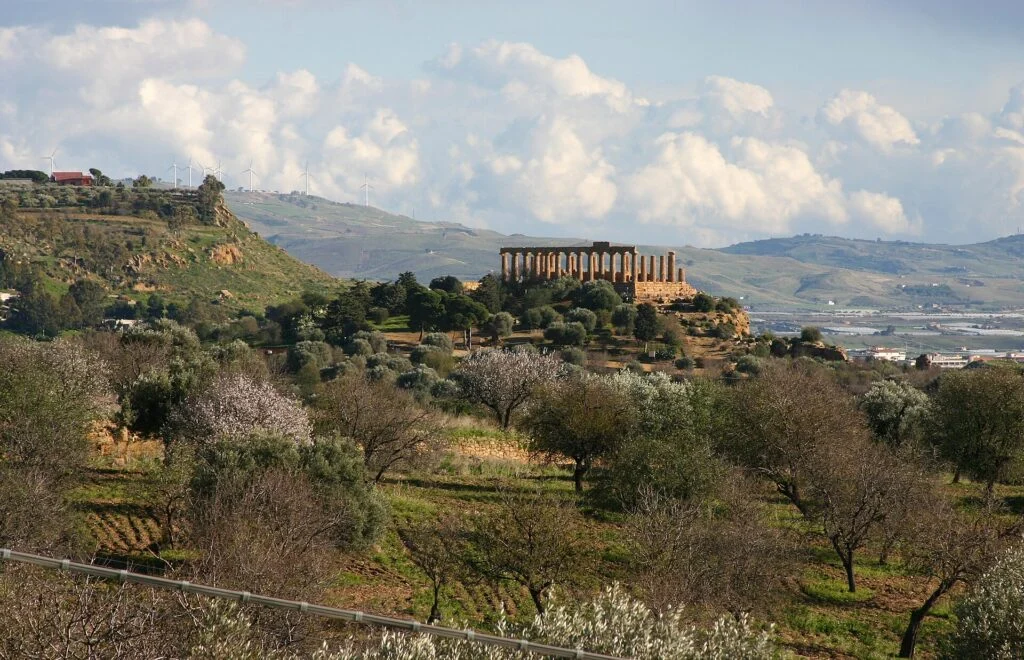
Archaeology Museums · Agrigento, Italy. The Valley of the Temples Archaeological Museum in Agrigento, Italy, presents a focused window into the ancient world of the region surrounding one of Sicily’s most prominent archaeological sites. Agrigento itself, founded as Akragas…
Best forAncient history, artefacts, cultural heritage
Review focusArchaeological collections, context, and visitor planning
Historical Context
The Valley of the Temples Archaeological Museum in Agrigento, Italy, presents a focused window into the ancient world of the region surrounding one of Sicily’s most prominent archaeological sites. Agrigento itself, founded as Akragas by Greek settlers in the 6th century BCE, was a significant city in Magna Graecia. It flourished under Greek influence before coming under Roman control, leaving a rich material heritage that illuminates the classical Mediterranean’s cultural layers. The museum was established to complement the remarkable ruins found in the nearby archaeological park, offering visitors a chance to study artifacts removed from their original locations or discovered during excavations in the valley.
This facility emerged as an essential node for collecting, conserving, and interpreting objects that might otherwise be lost to exposure or dispersal. The museum’s collections primarily span the archaic Greek period through to Roman and Byzantine times, connecting the monumental temple ruins outside with the everyday details of civic, religious, and funerary life inside the museum’s walls. Through these artifacts, the museum situates the cultural achievements of ancient Akragas within their material and social context, shedding light on aspects of ancient life that the monumental architecture alone cannot communicate.
What You See on Arrival
The first impression of the Valley of the Temples Archaeological Museum is one of clarity in purpose. It stands as a dedicated repository directly aligned with the adjacent archaeological park, serving as a gateway to understanding the area’s historical narrative. Its location in proximity to the Valley of the Temples site itself indicates an intention to provide immediate contextualization for visitors who have either completed or plan to visit the ruins.
Approaching the museum, visitors encounter a relatively modest yet purposeful building tailored for displaying artifacts of considerable antiquity and fragility. Its architectural design is functional rather than extravagant, reflecting the pragmatic needs of conservation and exhibition rather than tourist spectacle. The entrance space situates the visitor in the museum’s regional and historical focus before engaging with any specific objects.
Signage and introductory panels orient visitors towards the scope of the collection and the historical timeline the museum spans. The environment suggests a transition from broad historical reflection – a gesture to Agrigento’s place within Mediterranean history – to a concentrated examination of objects that reveal the material culture of the ancient inhabitants.
Highlights and Key Exhibitions
The core strength of the Valley of the Temples Archaeological Museum lies in its assemblage of artefacts drawn largely from the surrounding archaeological excavations. Sculpture fragments, pottery, inscriptions, jewelry, and tools collectively narrate the evolution of Akragas through Greek colonization, classical affluence, and Roman integration.
Among the sculpture holdings are significant votive offerings and architectural pieces that have been removed to preserve them from weathering. These range from stylized archaic statues to more refined classical forms, illustrating the skill and religious sensibilities of the ancient artistry. Fragments of temple decoration and statuary not only augment the experience of the ruins but also demonstrate the aesthetic qualities and iconographic schemes that once adorned the sacred precincts.
Pottery collections—including fine wares and utilitarian ceramics—offer a window into daily life and trade connections. The assemblage provides insights into local manufacturing styles versus imported goods, tracing economic and cultural exchanges across the Mediterranean. Visitors interested in ceramics will find the exhibits underscore the prominence of trade and the visual culture of domestic use during antiquity.
Epigraphical items, such as inscribed stone slabs and stele, contribute textual evidence that complements the visual narrative. These inscriptions cover public decrees, funerary epitaphs, and dedications, revealing aspects of governance, social hierarchy, and religious practice. They illuminate the linguistic and administrative dimensions of ancient Akragas, supplementing physical remains with the voices of its inhabitants.
Funerary objects and grave goods are another key area of the museum’s exhibition. These finds reveal burial customs, personal adornment, and beliefs about death and the afterlife. The variety of artifacts, from jewelry to weapons, provides deeper cultural understanding beyond architectural grandeur.
Throughout the displays, the museum undertakes a subtle integration of chronological and thematic threads. The transition from archaic to Roman periods is carefully demarcated, allowing visitors to trace shifts in political control, artistic style, and social organization. Although the museum does not emphasize grand narratives, this structural clarity supports informed contemplation about continuity and change in the ancient city.
Visitor Experience
The museum’s layout and interpretative approach appear designed for visitors with a moderate degree of prior interest in classical archaeology or history. It suits those who appreciate objects as tangible links to the past and who can engage independently with artifacts supplemented by clear labeling and contextual information. The presentation style leans more towards straightforward explanation rather than extensive narrative or interactive elements.
In terms of visitor flow, the museum likely offers a relatively quiet environment away from the often crowded temple complex, enabling a closer encounter with artifacts that are otherwise difficult to visualize in situ. However, the absence of high-tech multimedia or interactive displays means the museum experience remains traditional, which may limit appeal for younger audiences accustomed to digital engagement.
Interpretation is provided mainly through concise written panels and object captions. This clarity supports a factual, grounded understanding of each item’s origin, function, and significance. Some visitors may wish for greater interpretive depth or more storytelling to connect with the broader historical implications, though this is balanced by the focused object-based approach which allows individual curiosity to drive further inquiry.
Without personal anecdotes or immersive elements, the museum asks visitors to piece together the historical mosaic through direct observation. This style fits well for those who enjoy classical studies or have a scholarly bent but might prove less immediately engaging for casual tourists not already primed to absorb archaeological detail.
Tickets, Access, and Planning
Detailed, up-to-date visitor information should be verified through the museum’s official website or local tourist information before planning a trip. Information on opening hours, ticket prices, discount eligibility, guided tours, audio guides, accessibility features, and amenities is subject to change and may vary seasonally.
Given that the Valley of the Temples Archaeological Museum functions as a complement to an extensive outdoor archaeological site, it makes practical sense to plan for a balanced itinerary. Visitors should consider weather and timing to avoid peak outdoor visitation hours when the adjacent ruins attract larger crowds. Using the museum visit to deepen understanding before or after touring the temples can help deliver a fuller experience.
The museum’s size and focus imply that the visit can be reasonably accommodated within a half-day window, but visitors with a strong interest in classical archaeology may wish to allocate more time. Planning in advance also allows consideration of combined ticket options or coordination with other regional museums and sites in Agrigento.
Final Verdict
The Valley of the Temples Archaeological Museum stands as an important resource for those looking to contextualize the outstanding archaeological ruins of Agrigento’s ancient Greek city. By concentrating on curated objects unearthed in the surrounding valley, the museum fills gaps left by the monumental ruins and offers a material culture dimension often overlooked in site-only visits.
Its collections and exhibitions articulate the visual, economic, and social complexities of Akragas from Greek colonization through Roman occupation, making the city’s history accessible beyond architectural remains. This makes it an attractive option for visitors with an informed interest in classical archaeology who want artifact-centric learning.
At the same time, the museum presents a relatively traditional display style that may not engage all visitor demographics equally. It lacks extensive interpretive storytelling or technology-driven interaction, which could limit appeal to casual or younger visitors unfamiliar with the Mediterranean classical world. The museum’s straightforward, sober design supports reflection and study but does not aim to entertain or dazzle.
Pragmatically, the museum’s location and role as a companion to the Valley of the Temples archaeological park call for thoughtful planning. It is best approached as part of a wider exploration of Agrigento’s ancient heritage, with time allocated accordingly. Potential visitors are advised to check current visitor information well ahead of arrival.
In summary, this museum is a solid, well-maintained institution offering valuable archaeological insights. Its strength lies in the quality and specificity of its collections rather than in theatrical presentation or modern museological innovations. For visitors who prioritize substance and direct connection with ancient material culture, it offers an enriching supplement to the physical experience of Agrigento’s ancient temples.