Valley of the Temples Archaeological Museum
Archaeology Museums · Agrigento, Italy. The Valley of the Temples Archaeological Museum in Agrigento, Italy, is a focused institution dedicated to the preservation and display of artifacts related to the ancient Greek settlement known as Akragas. This site, famous…
Best forAncient history, artefacts, cultural heritage
Setting / nearbyAgrigento, Italy
Overview
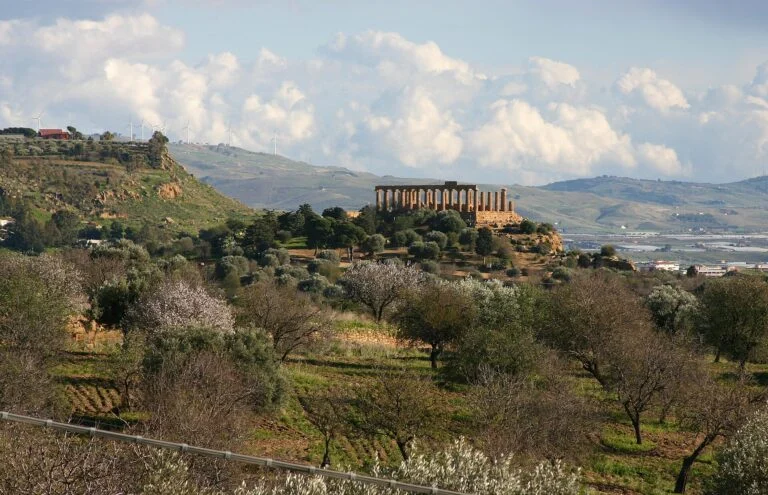
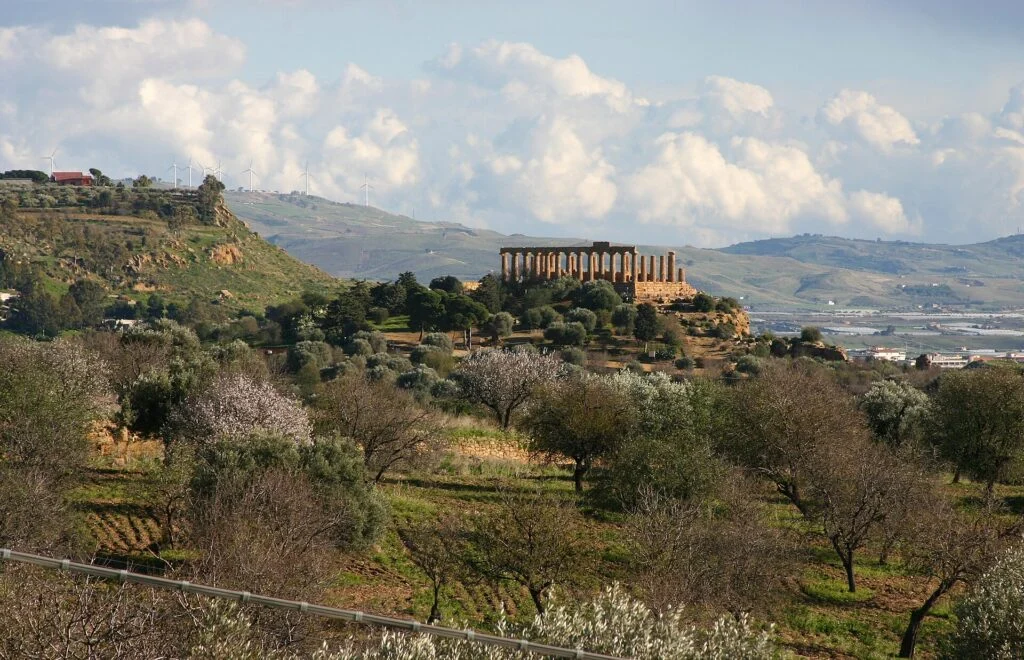
The Valley of the Temples Archaeological Museum in Agrigento, Italy, is a focused institution dedicated to the preservation and display of artifacts related to the ancient Greek settlement known as Akragas. This site, famous for its expansive archaeological park featuring well-preserved Doric temples, surrounds the museum and gives immediate context to the collection inside. The museum is primarily archaeological in nature and serves as an important complement to on-site exploration of the valley’s ruins. Rather than presenting a broad sweep of Sicilian history, the museum concentrates closely on material evidence from the Greek period, offering visitors a more detailed understanding of the cultural and artistic achievements of this ancient city.
Visitors to the museum should expect a collection that emphasizes the art and everyday objects of Akragas, illuminating the lives and beliefs of its inhabitants. It is best suited to those with at least a passing interest in archaeology or classical civilizations, though the displays are arranged to be accessible to a wider audience. The museum provides context for many of the relics discovered during excavations in the valley, helping to frame the temple complex not just as monumental architecture, but as the product of a sophisticated, living community.
Collection Highlights
The collection features a range of archaeological artifacts predominantly from the 6th to 4th centuries BCE, aligned chronologically and thematically. Visitors will encounter a variety of ceramics, including painted vases and fragments that illustrate local and imported styles, revealing interactions between Greek colonists and indigenous populations. These objects provide insight into domestic life and religious practices.
One of the focal points of the collection is the sculpture and architectural terracottas recovered from the temples and surrounding sanctuaries. While the actual temple structures outside survive largely in stone, the museum houses fragments of decorative elements that once adorned the buildings, such as metopes, antefixes, and acroteria. Some of these sculptural pieces reflect mythological subjects and are important for understanding the iconography used by ancient Akragantine artisans.
Funerary objects and inscriptions are also part of the exhibits, contributing to knowledge about social structure, funerary customs, and literacy in the ancient city. The museum occasionally includes finds related to coinage and small metal objects, which hint at economic life and craftsmanship.
Overall, the collection provides tangible evidence of the religious, domestic, artistic, and economic dimensions of Akragas. However, the scope is necessarily limited to artifacts found locally and connected with the temple complex or its immediate environs, so it does not cover the broader Sicilian or Mediterranean archaeological record.
Building and Setting
The museum is located in close proximity to the archaeological park of the Valley of the Temples itself, within Agrigento. Its position allows visitors to alternately engage with the physical ruins of ancient Akragas and the artifacts recovered from the site, often understanding one better through exposure to the other.
The building houses exhibition spaces designed to accommodate the often fragile nature of archaeological materials and employs conventional display techniques without heavy reliance on multimedia enhancements. As such, it offers a traditional museum experience with well-lit cases and informational labels intended to guide visitors through the development and characteristics of the ancient city’s material culture.
While the architecture of the museum building is functional rather than monumental, its setting within the landscape contributes to a coherent visitor experience. The nearby temples remain the museum’s foremost attraction, but the museum’s presence anchors the visit, providing necessary historical and archaeological insight.
Practical Information
Visitors should check the museum’s official website or local tourist sources to verify current opening hours, ticketing policies, accessibility options, and any special exhibitions or programming that might impact a visit. Information about guided tours or audio guides is not readily confirmed and may vary based on season or staffing.
Due to the nature of the artifacts, the museum operates with standard conservation practices, which might limit photography or touching of exhibits. While the museum is generally manageable in size, visitors with limited mobility should inquire in advance about access conditions, as factors such as door widths or wheelchair availability may be specific to the building’s design.
No specific information is provided here regarding amenities like cafés, shops, or parking, so it is advisable for visitors to plan accordingly or seek up-to-date details before arriving.
Why Visit
The Valley of the Temples Archaeological Museum invites visitors to deepen their understanding of ancient Akragas beyond its visible ruins. By presenting its artifacts in a curated setting, the museum sheds light on the civic, religious, and domestic life of an important Greek colony in Sicily. This level of detail can enrich the experience of seeing the temples outside and help bring the ancient city into clearer focus.
It is particularly useful for those who appreciate archaeology and history presented through original objects rather than through reconstructions or heavy interpretation. The museum encourages reflection on the interrelationship between place, architecture, and material culture, showing how artifacts discovered in the soil can animate the stories suggested by monumental remains.
At the same time, it should be acknowledged that visitors looking for extensive narrative exhibitions or broad historical contexts may find the museum’s scope somewhat narrow. Its strength lies in its concentration on local finds associated with the temple complex rather than a comprehensive survey of classical antiquity or Sicilian history.
In summary, the Valley of the Temples Archaeological Museum is best regarded as a focused archaeological museum that complements the broader experience of the Valley’s ruins. It offers a pragmatic and informative presentation of a focused collection, useful for enhancing archaeological literacy and appreciation. Visitors interested in the ancient Mediterranean world and the cultural material of Greek Sicily will find it worth considering as part of their itinerary in Agrigento.
Before planning a visit, it is recommended to consult the official website for the latest details regarding access, hours, and any events that may coincide with your trip.