USS Nautilus Memorial Submarine Force Library Review
History Museums · Conning Towers-Nautilus Park, United States. The USS Nautilus Memorial Submarine Force Library and Museum, located in Conning Towers-Nautilus Park, United States, holds a distinctive place within naval history and the broader narrative of military innovation. N…
History Museums · Conning Towers-Nautilus Park, United States. The USS Nautilus Memorial Submarine Force Library and Museum, located in Conning Towers-Nautilus Park, United States, holds a distinctive place within naval history and the broader narrative of military innovation. N…
Best forMaritime history, ships, harbour heritage
Review focusCollection, setting, visitor experience
Historical Context
The USS Nautilus Memorial Submarine Force Library and Museum, located in Conning Towers-Nautilus Park, United States, holds a distinctive place within naval history and the broader narrative of military innovation. Named after the USS Nautilus (SSN-571), the world’s first operational nuclear-powered submarine, this institution commemorates a pivotal moment in maritime engineering and Cold War naval strategy. Launched in 1954 and commissioned a year later, the Nautilus revolutionized submarine capabilities, enabling unprecedented underwater endurance and speed. This technological leap not only transformed underwater warfare but also influenced global naval power dynamics during the mid-20th century. The museum serves as a repository for artifacts, documents, and narratives associated with the submarine force, highlighting the evolution of submarine design, life aboard these vessels, and their strategic roles throughout history. By situating the Nautilus within this broader context, the museum offers visitors a comprehensive understanding of submarine innovation, its military implications, and its cultural resonance in the United States and beyond.
What You See on Arrival
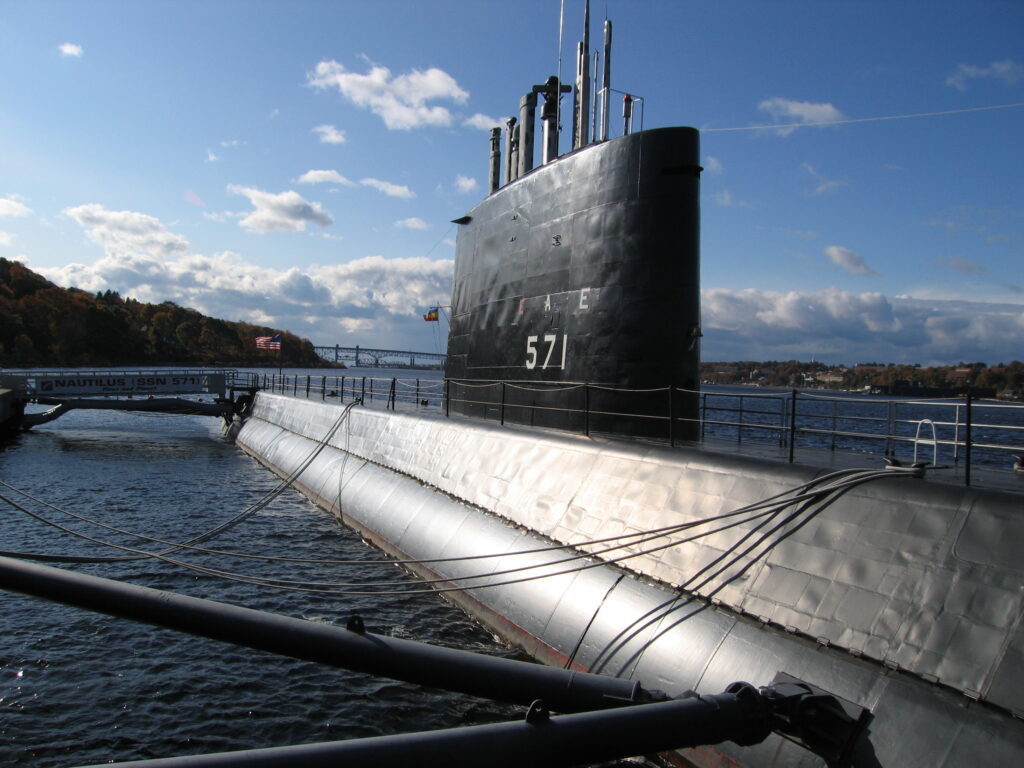
Upon arrival at the Museum, visitors are greeted by a striking visual of the USS Nautilus itself, prominently moored and inviting close inspection. This impressive sight sets the tone, immediately immersing visitors in naval history. The submarine is readily accessible for tours, forming the centerpiece of the experience and offering a tangible connection to Cold War-era naval technology. Surrounding the vessel, the museum grounds are well-maintained, featuring interpretive signage, landscaped pathways, and several smaller displays that introduce the submarine’s story prior to entry. The building housing the Library and Museum is modestly scaled but thoughtfully designed to facilitate learning and engagement. Outside, visitors might also note a variety of plaques and memorials dedicated to submarine crews and their missions, fostering a respectful atmosphere that underscores the sacrifices and achievements of those who served beneath the sea.
Highlights and Key Exhibitions
At the heart of the museum’s appeal is the opportunity to explore the USS Nautilus itself—an experience that reveals the compact and complex nature of submarine life. The vessel’s narrow corridors, sophisticated control rooms, and living quarters are preserved to convey the realities faced by its crew. Exhibits within the museum building complement the vessel tour by providing extensive historical context, personal stories, and technical descriptions. Among the highlights are detailed displays of submarine technology, including nuclear propulsion, sonar systems, and navigation equipment that illustrate the advancements brought by the Nautilus. The museum also curates rich collections of photographs, documents, and memorabilia that chronicle key missions, including the historic voyage beneath the North Pole in 1958. Additional exhibits focus on submarine warfare's strategic impact throughout the Cold War and beyond, discussing how the Nautilus and subsequent submarines shaped naval doctrine. Educational panels and multimedia presentations offer layered information accessible to both casual visitors and enthusiasts.
Visitor Experience
The visitor experience at the USS Nautilus Memorial Submarine Force Library and Museum is immersive and educational, blending physical exploration of the submarine with informative exhibits that narrate its story. Tour pathways are well-marked, though some areas of the submarine's interior may present challenges for those with mobility issues due to tight spaces and steep ladders inherent to submarine design. Museum staff are generally knowledgeable and prepared to answer questions, enriching visits with contextual information. Audio guides and printed materials supplement on-site learning, though availability can vary. The pace at which visitors move through the submarine and museum is largely self-directed, allowing for an individualized experience. The museum's quiet and respectful ambiance encourages reflection on the complexities and sacrifices associated with submarine service. However, it is worth noting that some exhibits are text-heavy and might benefit from more interactive or visually dynamic elements to engage younger audiences or visitors less familiar with military history.
Tickets, Access, and Planning
The USS Nautilus Memorial Submarine Force Library and Museum operates a visitor-friendly ticketing system, with entrance fees that are reasonable and reflective of the unique experience offered. Discounts are typically available for seniors, military personnel, and children, and group tours can be arranged in advance. The museum maintains regular opening hours that accommodate both local visitors and tourists, though seasonal schedules or special events may occasionally affect availability. Accessibility considerations are addressed, with wheelchair access provided in the museum building itself; however, the submarine tour’s inherent design limitations mean it is not fully accessible to all visitors. Planning ahead is advisable, especially during peak tourist seasons or on weekends, to ensure a smooth visit. The museum’s website provides up-to-date information on hours, ticket prices, and any visitor guidelines, making it a useful resource for those preparing to explore the site. Onsite amenities include restrooms and a gift shop offering submarine-related merchandise and literature.
Final Verdict
The USS Nautilus Memorial Submarine Force Library and Museum stands as a compelling tribute to naval innovation and the men who served aboard nuclear submarines. Its main attraction—the preserved Nautilus submarine—offers a rare and authentic glimpse into Cold War naval history and technology. The museum’s detailed exhibitions enrich the experience by situating the vessel within broader military and technological narratives. While certain physical constraints limit accessibility and some exhibits rely heavily on textual content, the institution succeeds in delivering an educational, respectful, and engaging visit for a diverse audience. Enthusiasts of military history, technology, and maritime affairs will find the museum particularly rewarding, though casual visitors interested in Cold War history or the human stories of submarine crews will also appreciate its offerings. In summary, the USS Nautilus Memorial Submarine Force Library and Museum is a distinctive destination that balances historical preservation with educational mission, making it a noteworthy institution within the landscape of American military museums.