Thorvaldsens Museum Review
Art Museums · Copenhagen, Denmark. Thorvaldsens Museum, located in the heart of Copenhagen, stands as a unique testament to the life and work of one of Denmark’s most celebrated sculptors, Bertel Thorvaldsen (1770–1844). Thorvaldsen was a pivotal figure in…
Art Museums · Copenhagen, Denmark. Thorvaldsens Museum, located in the heart of Copenhagen, stands as a unique testament to the life and work of one of Denmark’s most celebrated sculptors, Bertel Thorvaldsen (1770–1844). Thorvaldsen was a pivotal figure in…
Best forMasterpieces, architecture, cultural history
Review focusCollections, curatorial focus, and visitor planning
Historical Context
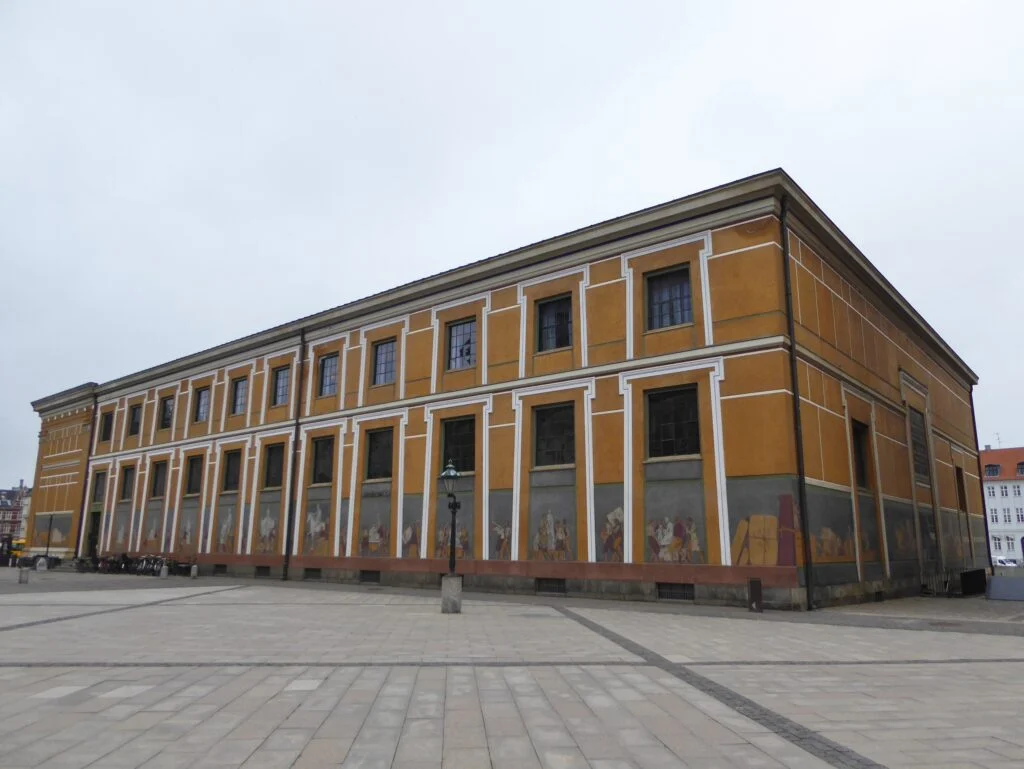
Thorvaldsens Museum, located in the heart of Copenhagen, stands as a unique testament to the life and work of one of Denmark’s most celebrated sculptors, Bertel Thorvaldsen (1770–1844). Thorvaldsen was a pivotal figure in the Neoclassical movement, whose artistic influence extended well beyond Danish borders during the 19th century. Established in 1848, the museum was specifically created to house and preserve his extensive collection of sculptures, sketches, and personal memorabilia, making it one of the earliest museums worldwide dedicated to a single artist. The building itself, designed by architect Michael Gottlieb Bindesbøll, reflects a harmonious blend of classical architecture and vibrant decorative elements inspired by Thorvaldsen’s travels in Italy. Thus, the museum not only functions as a repository of art but also as an architectural homage to its subject’s aesthetic ideals and career. Over the years, Thorvaldsens Museum has cultivated an important role in Danish cultural heritage, attracting art historians, scholars, and enthusiasts interested in Neoclassicism and Scandinavian art history.
What You See on Arrival
Approaching Thorvaldsens Museum, visitors are immediately greeted by its striking façade, which boasts a classical temple-like frontage adorned with columns and classical reliefs. The vibrant pale yellow walls and meticulously decorated frieze featuring motifs from Thorvaldsen’s works make the building a visual highlight on Copenhagen’s Slotsholmen island. The museum’s proximity to other cultural landmarks, including Christiansborg Palace, situates it within a rich historical and governmental precinct. The entrance courtyard offers a serene atmosphere, framed by sculptures and ornamental details that foreshadow the treasures inside. Upon entering, the architectural layout features a series of grand, light-filled halls that emphasize symmetry and order—a reflection of Thorvaldsen’s Neoclassical principles. The carefully orchestrated design directs visitors fluidly through the collection, setting a contemplative tone that encourages a close engagement with the artworks and artifacts on display.
Highlights and Key Exhibitions
The museum’s core collection revolves around Bertel Thorvaldsen’s extensive body of work, with a particular focus on his marble sculptures which prominently showcase his mastery of form and classical aesthetics. Among the standout pieces are his renditions of mythological figures, such as Jason with the Golden Fleece and the iconic statue of Christ, which demonstrate both technical virtuosity and emotional subtlety. Visitors will find the detailed plaster models and original sketches illuminating, providing insight into the creative process behind the finished sculptures. Notably, the Winged Victory of Samothrace replica and other Greco-Roman works reflect Thorvaldsen’s deep engagement with ancient art. Alongside the sculptures, the museum displays a variety of paintings, reliefs, and personal effects that illustrate his artistic development and European connections. The richly decorated interiors, with ceiling frescoes and ornamental decorations by other contemporary artists, enhance the immersive experience and contextualize Thorvaldsen’s work within a broader artistic milieu. While the permanent collection remains the heart of the museum, temporary exhibitions occasionally explore complementary themes in Danish or European art, fostering a dynamic appreciation of the period.
Visitor Experience
The visitor experience at Thorvaldsens Museum is thoughtfully curated to inspire both casual visitors and those with a more scholarly interest in Neoclassical art. The layout is straightforward, enabling an easy progression through the galleries without distraction. Informational plaques and multimedia guides provide important historical context and interpretive commentary, although some might find the explanations somewhat dense for a general audience. The museum’s atmosphere is tranquil and contemplative, supported by attentive staff who facilitate a welcoming environment. Photography is generally permitted in designated areas, allowing visitors to capture the intricate details of the sculptures and interiors. For those interested in further engagement, the museum offers occasional lectures and workshops, contributing to a richer understanding of Thorvaldsen’s legacy. However, it should be noted that while the collection is exceptional, its focused scope on a single artist may feel limited to visitors seeking a broader range of artistic styles or periods.
Tickets, Access, and Planning
Thorvaldsens Museum is centrally located and easily accessible via public transportation, with nearby bus and metro stops connecting it to the wider Copenhagen area. The museum is situated on a flat site, and its main exhibition spaces are on ground and first floors, making it reasonably accessible for visitors with mobility challenges, though checking in advance about specific accommodations is advisable. Apart from a standard admission fee, the museum offers concessions for students, seniors, and groups, as well as free entry for children, which encourages family visits. It is open throughout the week except for select holidays, with opening hours that accommodate both day and early evening visits. Planning ahead is recommended, especially during peak tourist seasons, to optimize the visit. The museum shop provides a curated selection of books, reproductions, and souvenirs linked to Thorvaldsen’s life and Neoclassical art, while an on-site café offers a quiet spot to reflect on the visit. Information about tickets, opening hours, and upcoming programming is readily available on the museum’s official website.
Final Verdict
Thorvaldsens Museum offers a compelling and intimate journey into the work and world of one of Denmark’s most significant artists, encapsulating both the sculptural brilliance and cultural ambitions of the Neoclassical era. The museum’s architectural splendor combined with the quality and depth of the collection make it a distinctive cultural destination in Copenhagen, particularly for those with an interest in sculpture, classical art, and 19th-century European artistic movements. The well-curated permanent exhibitions provide detailed insight, although the focus on a single artist may limit its appeal for visitors seeking eclectic or contemporary art experiences. The visitor experience is enhanced by a respectful ambiance, helpful staff, and supportive facilities, making it accessible for a variety of audiences. Overall, Thorvaldsens Museum stands out as a must-visit for art lovers and historians aiming to deepen their understanding of Neoclassical art and Danish cultural heritage, providing a focused yet enriching encounter with a master sculptor’s legacy.