Horta Museum Review
Decorative Arts Museums · Brussels, Belgium. The Horta Museum, nestled in the heart of Brussels, Belgium, stands as a testament to the Art Nouveau movement and the architectural genius of Victor Horta, one of the pioneers of this decorative style…
Decorative Arts Museums · Brussels, Belgium. The Horta Museum, nestled in the heart of Brussels, Belgium, stands as a testament to the Art Nouveau movement and the architectural genius of Victor Horta, one of the pioneers of this decorative style…
Best forCollections, cultural history, visitor experience
Review focusCollections, curatorial focus, and visitor planning
Historical Context
The Horta Museum, nestled in the heart of Brussels, Belgium, stands as a testament to the Art Nouveau movement and the architectural genius of Victor Horta, one of the pioneers of this decorative style which flourished in the late 19th and early 20th centuries. Set within the very house and studio that Horta designed for himself, the museum offers an intimate glimpse into his revolutionary approach to architecture and design, characterized by organic lines, intricate ironwork, and an innovative use of space and light. This period in Belgian history saw a shift away from industrial mass production towards an emphasis on craftsmanship and the integration of fine art into everyday life. The Horta Museum preserves not only the physical environment of this innovative artist but also an era that embraced the synthesis of art, architecture, and nature. As such, it serves as an essential site to understand the development of modern architecture in Europe and the cultural currents that shaped Brussels at the turn of the century.
What You See on Arrival
Upon arriving at the Horta Museum, visitors are immediately struck by the unassuming yet elegant façade of the town house located in the Saint-Gilles district. Unlike the grandiose museums that command attention with imposing entrances, this building blends harmoniously with its residential surroundings, reflecting the ethos of the Art Nouveau movement’s attempt to bring artistry to everyday spaces. The exterior retains detailed ironwork and fluid lines, subtle but evocative of the artistic treasures within. The entrance leads directly into the intimate interior, where the atmosphere shifts into a sanctum of early modern design. There is a sense of stepping back in time, into the personal workspace and living quarters of Victor Horta himself, which creates a close connection between visitor and artist, setting the tone for a deeply immersive experience.
Highlights and Key Exhibitions
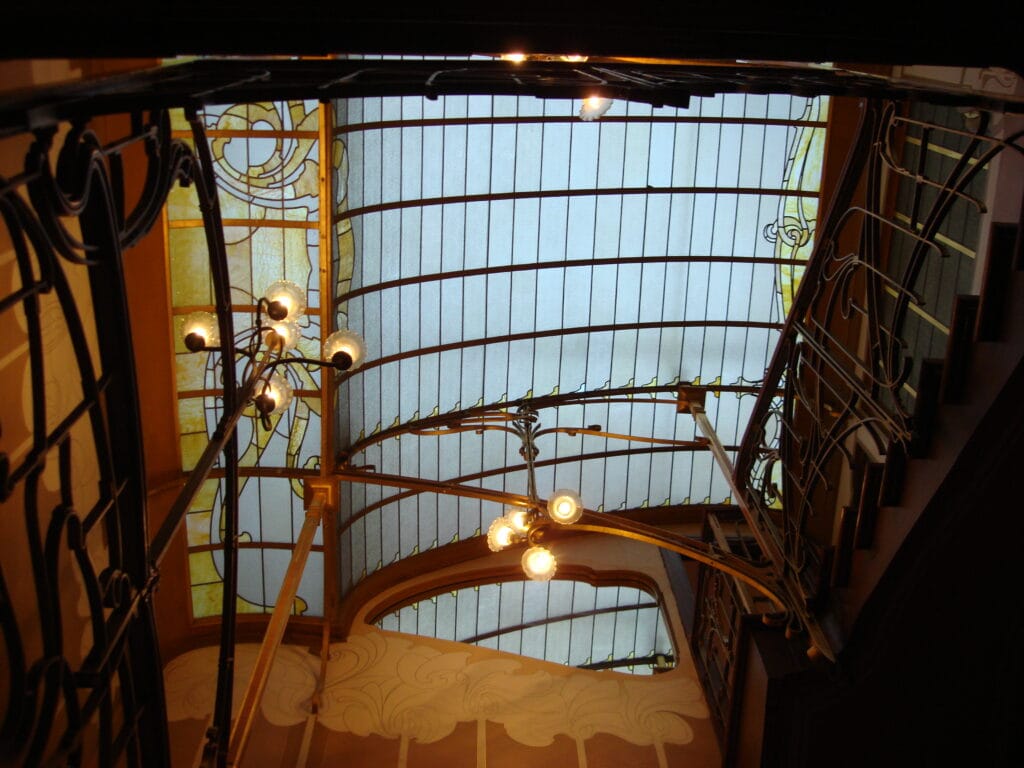
The museum’s core experience revolves around the original architectural features and decor of the house, which have been meticulously preserved to maintain their authenticity. Visitors encounter elegant curved staircases, stained glass windows with natural motifs, and the intricate woodwork and wrought iron details that typify Horta’s style. These elements exemplify the Art Nouveau principle of uniting function and form without sacrificing aesthetic beauty. One of the standout features is the central hall, where natural light filters through skylights, enhancing the organic design of the space. The house’s layout itself conveys a narrative of innovative spatial use, demonstrating how Horta prioritized openness and flow.
A significant focus of the museum is its collection of original furniture designed by Horta, as well as other period pieces that complement the interior’s design. These furnishings underscore the holistic vision that Horta had—where architecture, interior, and decoration formed a unified work of art. The museum’s exhibits occasionally include drawings, sketches, and personal archives that provide insights into the design process behind major works like Brussels’ Hôtel Tassel, yet the emphasis remains on the house as an immersive artifact in its own right.
For those interested in architectural history and Art Nouveau, the Horta Museum offers deep educational value through its detailed information panels and guided tours, which link individual design elements to broader historical and cultural themes. The museum thus functions as a layered narrative, marrying the personal story of Victor Horta with the wider aesthetic and social movements of his time.
Visitor Experience
The Horta Museum is known for providing a contemplative and intimate visitor experience, in stark contrast to larger, more conventional museums. The limited size of the site encourages a quiet pace and encourages reflection on the details of design and craftsmanship. The lighting, thoughtfully arranged to highlight key features without overwhelming the senses, contributes to this serene atmosphere. Visitors often report a sense of discovery as they explore the multi-level house, noting how each room reveals new expressions of Art Nouveau principles.
The museum’s staff are generally recognized for their knowledge and willingness to engage with visitors, offering context and answering questions that enhance understanding. The availability of multimedia guides and written materials in multiple languages supports a broad audience and enriches the overall visit.
It should be acknowledged, however, that some may find the spatial constraints limiting, particularly during busier periods when the small rooms can feel congested. Additionally, the focused nature of the museum means it appeals primarily to those with a specific interest in architectural history or decorative arts; casual visitors seeking broad, varied exhibitions might find it less engaging.
Tickets, Access, and Planning
Planning a visit to the Horta Museum requires consideration of its operational hours and ticketing policies, which are generally standard for museums of its type in Belgium. Entrance fees are moderate, offering good value given the uniqueness and preservation of the space. It is recommended to check official sources for updated opening times, particularly as the museum may close on certain weekdays and holidays. Advance booking, where possible, can help avoid disappointment, especially in peak tourist seasons.
Access is facilitated by public transportation networks in Brussels, with several tram and bus lines serving the Saint-Gilles area. The museum’s location in a residential neighborhood may pose some difficulties for those arriving by car, as parking options are limited. The museum has made efforts to ensure physical accessibility, although the nature of the historic building imposes some constraints on mobility-impaired visitors, given the presence of stairs and narrow passageways. Prospective visitors with specific needs should consult the museum directly to clarify accommodations.
Final Verdict
The Horta Museum is a distinguished cultural gem in Brussels, offering a beautifully preserved and thoughtfully presented example of Art Nouveau architecture and design. It excels as a specialized institution, providing insight into Victor Horta’s pioneering legacy and the artistic movement that helped shape early modern European architecture. The intimate scale and meticulous detail of the house create a unique immersive experience that can deeply resonate with visitors interested in design, history, and visual arts.
While its niche focus and spatial limitations may not cater to all museum-goers, for those drawn to architectural innovation and the decorative arts, it represents an essential stop. The museum’s educational resources and well-maintained environment add further value, enabling a comprehensive understanding of both the historical context and the artistic achievements embodied by this remarkable site.
In summary, the Horta Museum stands as an elegant tribute to one of Belgium’s foremost architects, offering a serene and enriching encounter with Art Nouveau aesthetics and history. It is a must-visit for connoisseurs of design and architecture, and a noteworthy destination within Brussels’ diverse cultural landscape.