The Samurai Collection Review
Art Museums · Dallas, United States. The Samurai Collection in Dallas, United States, presents an extensive and meticulously curated assemblage that delves into the rich and complex history of the samurai warrior class in Japan. Emerging during the late Heian…
Art Museums · Dallas, United States. The Samurai Collection in Dallas, United States, presents an extensive and meticulously curated assemblage that delves into the rich and complex history of the samurai warrior class in Japan. Emerging during the late Heian…
Best forScience, technology, hands-on learning
Review focusExhibits, interpretation, visitor flow
Historical Context
The Samurai Collection in Dallas, United States, presents an extensive and meticulously curated assemblage that delves into the rich and complex history of the samurai warrior class in Japan. Emerging during the late Heian period (794-1185) and reaching prominence throughout the Kamakura, Muromachi, and Edo periods, the samurai were not only formidable warriors but also cultural and political influencers. This museum’s holdings reflect their evolution—from armored cavalrymen to elite retainers upholding a strict code of honor known as bushidō. Over centuries, samurai culture permeated various aspects of Japanese society, including art, literature, and philosophy. The collection underscores the samurai’s dual identity as both warriors and patrons of fine arts. By situating its exhibits within the broader narrative of Japanese history, the museum offers insight into how military prowess and aesthetic refinement coexisted. The institution’s role extends beyond simply displaying artifacts; it provides context that enriches understanding of the samurai’s enduring cultural legacy, highlighting their significance not just as historical figures but as symbols inspiring contemporary interest worldwide.
What You See on Arrival
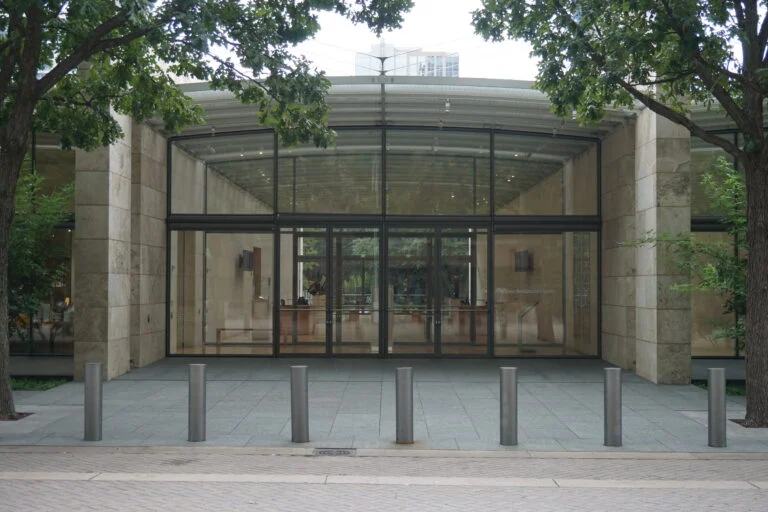
Visitors approaching The Samurai Collection are welcomed into a setting that hints at the tradition and reverence embodied within. The museum’s exterior is subtle yet distinctive, with architectural elements that evoke a sense of Japanese design philosophy without overwhelming the urban environment of Dallas. Upon entry, one is immediately met with an atmosphere of calm and focus, strategically designed to prepare guests for the immersive experience ahead. The entrance lobby displays introductory panels summarizing the samurai era’s historical backdrop, serving as a primer for novices and aficionados alike. The lighting is carefully managed to highlight key pieces while preserving the integrity of delicate materials. Visitors are often greeted by thematic displays featuring iconic helmets or swords positioned to draw attention and stimulate curiosity. Attention to detail is evident in the ambient soundscapes and carefully chosen decorative motifs, all working cohesively to transport visitors from 21st-century Dallas to feudal Japan’s disciplined world. This opening area sets a measured tone, balancing educational intent with aesthetic appreciation.
Highlights and Key Exhibitions
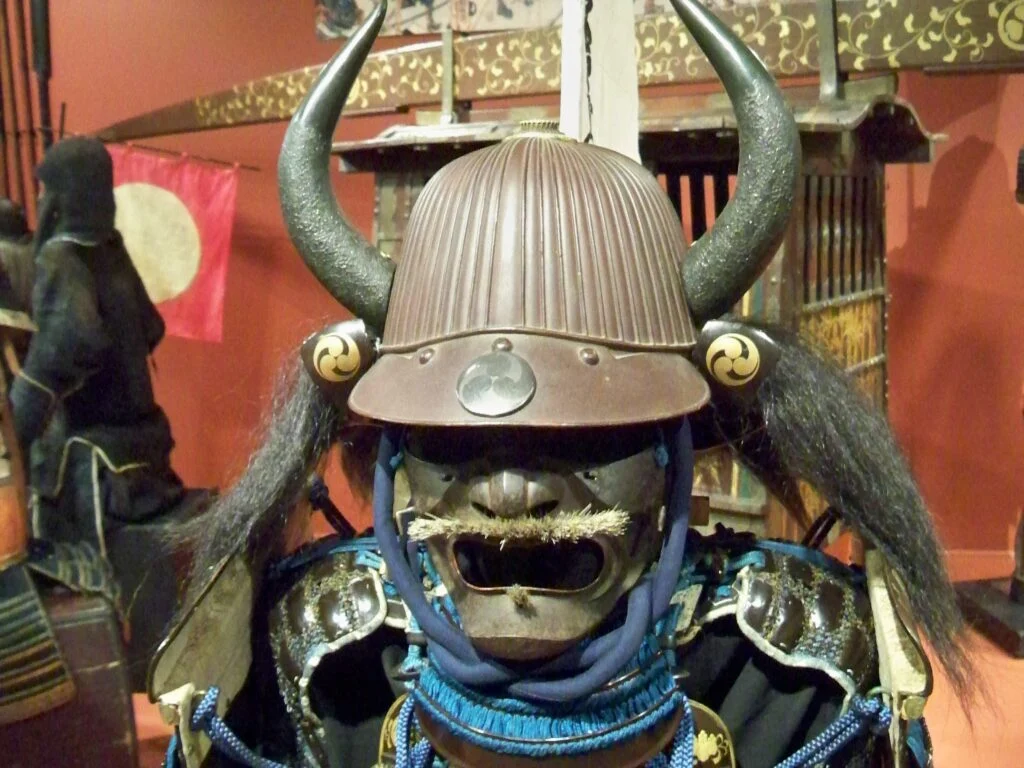
The museum’s core appeal lies in its comprehensive array of artifacts that span the samurai’s functional and cultural domains. One of the standout features is the extensive collection of armor sets, which showcase the craftsmanship involved in creating wearable art designed for protection and intimidation. These suits—often elaborately decorated with lacquer, silk, and intricate metalwork—offer insight into regional variation as well as technological advancements across centuries. Complementing the armor are numerous examples of traditional weaponry, including the katana, wakizashi, and yumi (longbow). The displays emphasize the artistry behind the forging and embellishment of these items, underscoring their dual purpose as tools of warfare and symbols of status. Equally compelling are the curated selections of ukiyo-e prints, calligraphy, and scrolls depicting samurai life and mythology, offering a window into the symbolic and spiritual world that informed their identity. The museum also provides detailed historical narratives explaining key events and figures, enriching the physical exhibits with scholarly context. This balance between artifact excellence and interpretation ensures a multi-dimensional understanding of the samurai heritage.
Visitor Experience
The design and layout of The Samurai Collection facilitate a journey that is both educational and engaging. Exhibition spaces are organized thematically, allowing for a clear and logical progression through the samurai’s historical and cultural landscape. Descriptive labels are thoughtfully composed, balancing depth with accessibility to appeal to a diverse audience that includes historians, students, and casual visitors. Interactive displays and multimedia presentations enhance comprehension, providing context that brings static objects to life without overwhelming the visitor with technology. Curatorial choices favor intimate viewing experiences over imposing installations, encouraging close inspection and reflection. Audio guides and occasional docent tours support deeper exploration for those interested in specialized knowledge. The museum also anticipates visitor needs with seating areas and quiet zones designed for contemplation. Attention to environmental factors such as temperature and lighting ensures artifact preservation while maintaining visitor comfort. However, given the niche focus, some might find the scope specialized, particularly if they lack prior interest in Japanese history or martial culture. Nonetheless, the overall experience is thoughtfully crafted to educate and inspire curiosity.
Tickets, Access, and Planning
The Samurai Collection’s ticketing system is straightforward, with options that accommodate individual visitors, families, and groups. Pricing is reasonable, reflecting the museum’s commitment to accessibility and education. Advance online booking is encouraged, particularly during peak tourist seasons or for special guided tours, although on-site ticket purchases remain an option. The museum’s central location in Dallas positions it conveniently for visitors using public transport, taxis, or private vehicles, with parking facilities available nearby. Accessibility considerations are well attended to, with wheelchair access, elevators, and adaptive services ensuring an inclusive experience for guests with mobility challenges. The museum’s operating hours are standard for the region, though prospective visitors should verify current schedules as occasional closures for maintenance or special events may occur. Facilities such as restrooms, a small café, and a gift shop featuring thematic souvenirs add to the visitor convenience. Educational resources and group bookings are accommodated with advance arrangements, making the venue suitable for school trips or scholarly seminars.
Final Verdict
The Samurai Collection in Dallas stands as a commendable institution dedicated to preserving and presenting the history and artistry of Japan’s samurai class. Its strengths lie in the depth and quality of its collection, the clarity and thoughtfulness of its interpretive materials, and the immersive atmosphere it cultivates from entry to exit. The museum succeeds not only as a repository of artifacts but as an educational environment that contextualizes the samurai beyond the archetype of the warrior, highlighting their cultural and philosophical dimensions. While its specialized focus may not cater to everyone’s taste, those drawn to Japanese history, martial traditions, or historical art forms will find it an invaluable resource. The visitor experience benefits from careful curation and considerate amenities, although engagement could be further enhanced by expanding interactive elements or introducing rotating exhibitions to diversify repeat visits. Overall, The Samurai Collection offers a meaningful and sophisticated exploration of a pivotal facet of Japanese heritage, making it a noteworthy destination for cultural enrichment in Dallas.