Technisches Museum Wien Review
Science Museums · Vienna, Austria. The Technisches Museum Wien (Vienna Technical Museum) occupies an important position within Austria's cultural and educational landscape, reflecting the country’s rich industrial past and ongoing technological evolution. Founded in 1918, the mu…
Science Museums · Vienna, Austria. The Technisches Museum Wien (Vienna Technical Museum) occupies an important position within Austria's cultural and educational landscape, reflecting the country’s rich industrial past and ongoing technological evolution. Founded in 1918, the mu…
Best forScience, technology, hands-on learning
Review focusCollections, visitor experience, and practical planning
Historical Context
The Technisches Museum Wien (Vienna Technical Museum) occupies an important position within Austria's cultural and educational landscape, reflecting the country’s rich industrial past and ongoing technological evolution. Founded in 1918, the museum was conceived to serve as a comprehensive archive and exhibition space dedicated to technology in its many forms. Its mission aligns with the tradition of European technical museums that aim to document and demonstrate the transformative power of science and engineering on society.
Throughout the 20th century, the museum expanded its collection through acquisitions, donations, and partnerships, evolving alongside rapidly changing technological trends. It preserves artifacts from the early days of the Industrial Revolution, which significantly shaped the region’s economy and workforce, to more contemporary developments related to energy, transport, communication, and industrial processes. Vienna itself, a city known for its cultural heritage and intellectual innovation, provides a fitting backdrop for a museum that both commemorates technological pasts and introduces visitors to challenges and opportunities in the present and future.
The museum’s location in the country’s capital ensures its role as a national institution, with a broader significance for understanding how Austria fits into wider European and global histories of technology. Over the years, it has functioned not only as a repository of material culture but also as a center for public education and engagement, targeting diverse audiences from specialists to families and school groups. While it shares space conceptually with other institutions such as museums of fine arts or history, the Technisches Museum distinguishes itself by focusing specifically on the applications and engineering that shape everyday life and industrial activity.
What You See on Arrival
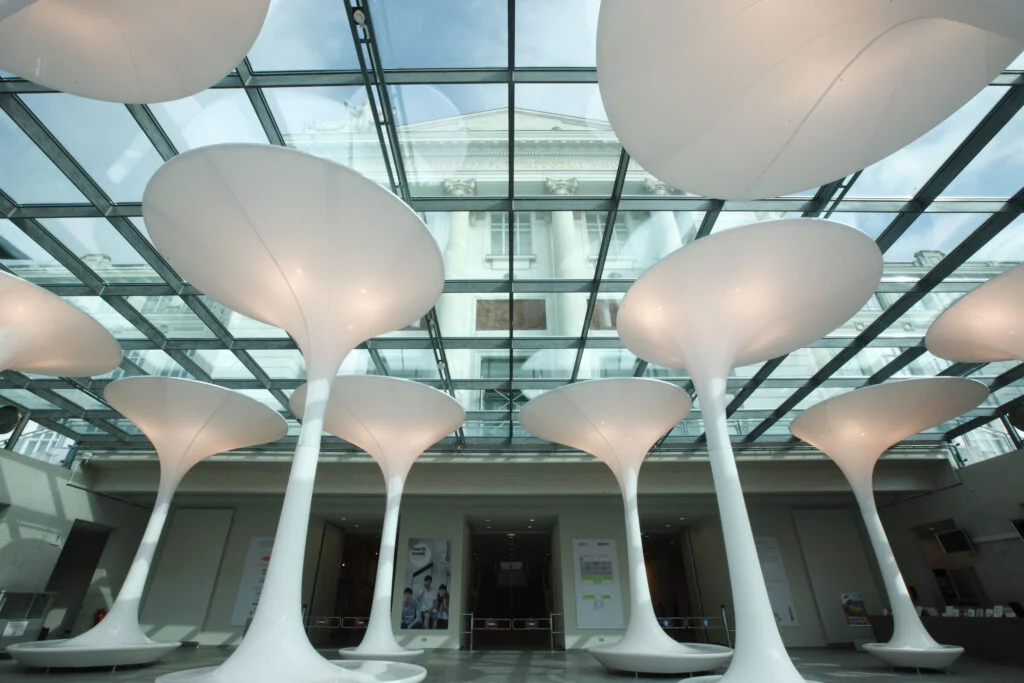
Visitors approaching the Technisches Museum Wien will encounter a building that reflects post-war modernist architectural style, designed to accommodate a broad range of exhibitions and interactive displays. The museum’s exterior is functional and relatively subdued, lacking overtly dramatic architectural flourishes, which fits its practical and educational purpose. The large entrance foyer provides initial orientation with maps, signage, and an information desk, setting the tone for systematic exploration of complex technological subjects.
Early impressions emphasize the museum’s identity as a place of inquiry into material culture and engineering rather than a traditional art or cultural history museum. The public spaces are laid out to facilitate easy movement between different thematic sections, and the design encourages curiosity about how machines and inventions operate and impact everyday life. There may be visual cues that remind visitors of the industrial heritage underlying the collections, such as exposed structural elements or industrial design motifs.
From entry points, visitors gain a sense of a museum broadly aiming to cover multiple disciplines within science and technology. The layout is typically straightforward and practical, favoring clarity over spectacle. Signage and introductory panels communicate the museum’s ambition to tell stories about power systems, manufacturing, communication, and transportation. Overall, the museum’s identity frames itself as accessible but intellectually grounded, in line with Vienna’s tradition of rigorous cultural institutions.
Highlights and Key Exhibitions
The core strength of the Technisches Museum Wien lies in its breadth of collection and the thematic organization of its permanent exhibitions. These broadly span areas central to industrial and technological history and development, inviting visitors to engage with key inventions, processes, and materials that have shaped human activity in Austria and beyond.
One significant area is historical transport technology. The museum houses an impressive array of vehicles, machines, and models that trace the development of locomotives, railways, automobiles, and aeronautics. Early steam engines and later diesel and electric locomotives illustrate milestones in mobility and industrial power. The transport section aims to contextualize technological progress alongside societal change, highlighting how innovations altered trade, urbanization, and communication. Detailed displays include technical schematics, components, and operational explanations that appeal to those interested in the mechanics and design challenges involved.
Another major focus is energy and power generation. The museum presents artifacts from early hydroelectric plants, coal-fired power stations, and advancements in electrical technology. Displays include turbines, generators, and control equipment, which help tell the story of how societies moved from localized mechanical power to centralized electrical grids. This section reflects Austria’s geographic advantages for hydropower and contributes to discussions on sustainable energy and industrial modernization.
The museum also dedicates substantial space to communication technologies. This section explores telegraphy, telephony, broadcasting, and computing devices, demonstrating the evolution of information exchange. Historic radios, early computers, and telegraph machines illustrate the shift from analog to digital systems. Interactive exhibits often enable visitors to understand the basics of signal transmission, coding, and information processing, catering both to technical enthusiasts and general audiences.
Industrial processes and materials represent a further important theme. The exhibits include machinery and instruments used in manufacturing, printing, textiles, and metallurgy. Artifacts such as looms, presses, and metalworking tools detail the transformation from artisanal production to industrial mass manufacture. These displays provide insight into labor history and technological adaptation, revealing the concrete means by which economic and social organization changed under industrial capitalism.
Importantly, the museum employs a multidisciplinary approach, linking scientific principles to technological application. Exhibits often integrate historical context with hands-on elements, models, and diagrams. This combination allows visitors to understand not only what technologies were developed but how and why they function and what their impacts were.
Visitor Experience
The Technisches Museum Wien’s layout tends to encourage a methodical pace rather than rapid browsing. The thematic divisions allow many visitors to focus on areas of personal interest, whether that be transport, energy, communication, or industrial manufacturing. Given the density and technical complexity of many displays, the museum suits visitors with at least a moderate patience for detailed content and a genuine interest in technology or industrial history.
Interpretative materials balance text panels with graphic explanations and physical displays. While the analytical tone is sometimes technical, the clarity of explanations means that non-specialist visitors can grasp fundamental ideas if they engage fully. Multimedia and interactive exhibits support learning through hands-on experience, although extensive use of digital technology is limited compared to highly contemporary science centers.
The museum’s size and range offer rich substance but may overwhelm visitors with less background or limited time. The absence of striking visual spectacle is compensated by depth of content and clarity of thematic structure. Visitors should plan accordingly if they wish to explore the collection thoroughly.
Family visitors and school groups are accommodated, especially through interactive exhibits and educational programs tailored for younger audiences. However, interpretation may lean toward an older demographic, given the focus on industrial history and engineering principles rather than purely popular or entertainment-driven content.
One practical consideration is flow and signage. Navigation is straightforward but benefits from initial orientation, as thematic zones can feel dense and detailed, requiring time to process. Some information panels rely on German text, and while there is English translation, the proportion and quality may vary in certain areas.
Tickets, Access, and Planning
For those considering a visit, it is advisable to consult the official Technisches Museum Wien website for up-to-date information on hours, ticket options, discounts, and available visitor services. Admission policies and accessibility provisions can change, and particular events or renovations may affect opening times or access.
The museum is situated in a well-connected area of Vienna, with transport options typical of the city’s public transit network. However, details on public transport links, parking, and related conveniences should be verified just before visiting. Accessibility for visitors with limited mobility is a factor to check in advance, as older institutional buildings occasionally present challenges.
Audio guides, guided tours, or educational workshops may be available but should not be assumed standard; confirmation with the museum’s official communications is recommended for visitors seeking enhanced interpretive support.
Final Verdict
The Technisches Museum Wien offers a rigorously curated and wide-ranging survey of technology’s role in shaping the modern world through an Austrian and broader European lens. Its strength lies chiefly in the breadth of its collection, which documents the development of transport, energy systems, communication, and industrial manufacturing with a level of technical detail that will satisfy keen learners and professionals.
Visitors prepared to engage attentively will find the museum’s exhibits both informative and thoughtfully arranged. The balance of historical artifacts with explanatory content allows for solid understanding, albeit with a largely educational rather than entertainment-driven approach. The museum’s character is that of a serious institution committed to documenting technological progress as a cultural and economic phenomenon. This sometimes means it lacks the dynamic theatricality or accessibility of more commercialized science centers.
The institution’s practical layout and focused mission mean it performs best with visitors who have a specific interest in technology, engineering, or industrial history. Families and casual tourists may find some sections less appealing if they prefer lighter or more visually striking experiences. The multilingual presentation is generally competent but could be improved to fully serve international audiences unfamiliar with German.
Planning ahead is advisable, especially for those with limited time or specific accessibility requirements. Consultation of official visitor information should accompany any visit. Overall, the Technisches Museum Wien remains an important venue for understanding the evolution of technical innovation and its effects on everyday life and society. It occupies a valuable niche between historical museum and scientific institution, representative of Vienna’s multifaceted cultural offerings.