Suzhou Museum Review
Archaeology Museums · Suzhou, China. Suzhou Museum, located in the city of Suzhou, China, presents a distinct cultural institution devoted to showcasing the art, history, and craft traditions of the region. Established originally in 1960, the museum has undergone…
Archaeology Museums · Suzhou, China. Suzhou Museum, located in the city of Suzhou, China, presents a distinct cultural institution devoted to showcasing the art, history, and craft traditions of the region. Established originally in 1960, the museum has undergone…
Best forMuseum lovers, culture travelers, first-time visitors
Review focusCollections, visitor experience, and practical planning
Historical Context
Suzhou Museum, located in the city of Suzhou, China, presents a distinct cultural institution devoted to showcasing the art, history, and craft traditions of the region. Established originally in 1960, the museum has undergone significant redevelopment and expansion since then, notably featuring a design collaboration that blends modern architectural elements with traditional Suzhou aesthetics. This aligns the museum’s identity strongly with the city’s heritage, well known for its classical gardens, silk production, and centuries-old craftsmanship.
Suzhou itself holds a place of historical importance within China’s Jiangsu province, serving as a vital cultural and economic center since the Tang dynasty. The museum’s collections and exhibitions reflect this legacy, aiming to convey the distinctive artistic and social achievements of Suzhou and its surrounding areas. The institution positions itself not only as a guardian of physical artifacts but also as a bridge to understanding the evolution of regional identity through dynastic change and modernization.
Despite its mid-20th-century origins, the museum’s newer facilities, which opened in the early 21st century, have allowed it to reassert its position within China’s crowded museum landscape. Its architecture and surrounding environment are designed to enhance the cultural narrative, situating the visitor both within the contemporary city and its historical fabric. The museum strives to balance respect for traditional elements with the practical demands of preserving and displaying diverse collections.
What You See on Arrival
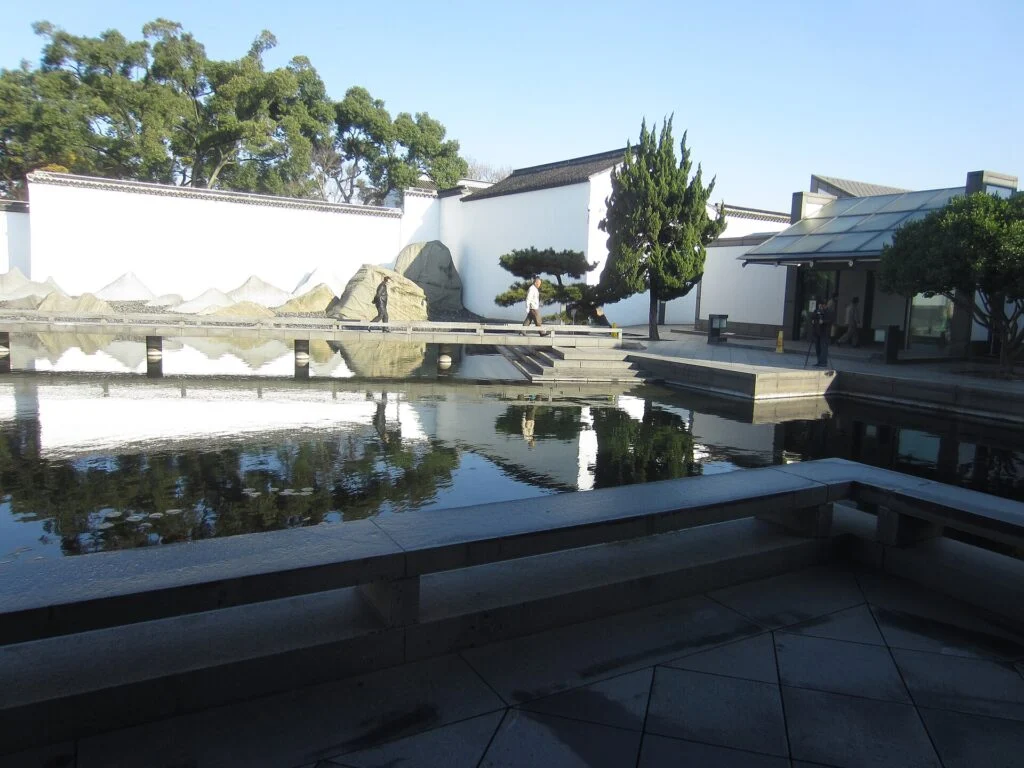
Upon arriving at Suzhou Museum, visitors encounter an architectural design that deliberately evokes classical Suzhou garden styles while employing minimalist modern materials. The exterior’s use of white walls, black tiles, and clean, angular lines creates a measured visual dialogue with the surrounding urban and historical context without overwhelming it. This sets a tone for the museum as a space that honors regional heritage while presenting its contents through a contemporary lens.
The entrance area likely includes clear signage and orientation points that introduce the museum’s layout and thematic divisions, though detailed visitor services such as ticketing and information desks are best confirmed through current sources before planning a visit. The combination of indoor and outdoor spaces prepares visitors for a journey that connects built environment with curated displays.
The immediate impression is one of calm and clarity, contrasting with the city’s busier streets. Subtle landscaping elements, possibly reflecting water features or classical garden design motifs, may frame paths or resting areas outside the building, reinforcing the sense that this institution is embedded in a cultural storyline extending beyond its walls.
This external framing is important because it sets expectations not just for the artifacts inside, but for the experience overall — one of reflection, cultural specificity, and a focus on regional artistry presented with precision and care. It primes visitors for a museum visit where architecture and contents are meant to mutually inform.
Highlights and Key Exhibitions
The core of Suzhou Museum’s interest lies in its diverse collection of traditional Chinese art and cultural objects, with particular emphasis on items related to Jiangsu province and the city’s historical status. Its holdings include ceramics, ancient calligraphy and painting, traditional costumes, and artifacts connected to the silk industry, which has long been one of Suzhou’s defining crafts.
One of the museum’s strong suits is its array of Ming and Qing dynasty porcelains and ceramic wares. These objects illustrate both local innovations and the influence of broader Chinese artistic trends. Visitors can expect to see carefully curated displays that trace the technical development and aesthetic styles typical of the region’s potters and artists. The way these pieces are mounted and lit focuses attention on craftsmanship details such as glaze, form, and decoration, which are significant for understanding regional material culture.
Calligraphy and traditional painting are also mainstays here, drawing on a legacy of Suzhou as a cultural center that fostered literati art. The museum houses works from notable figures and schools, often including pieces that highlight the literati’s thematic engagement with nature, philosophy, and social life. Interpretive labels generally provide context about the artists, styles, and historical periods, aiding a broader appreciation of these art forms beyond surface aesthetics.
Beyond fine art, Suzhou Museum’s ethnographic and historical exhibits explore everyday artifacts and local traditions. This includes tools and instruments related to silk production, furniture from traditional gardens and homes, and examples of local embroidery and textile work. These exhibits help build a fuller picture of the region’s cultural fabric and its relationship to broader Chinese traditions and economic histories.
While the museum is renowned for its connection to classical Suzhou culture, it also incorporates some modern art displays and thematic exhibitions oriented toward regional identity and cultural continuity. However, these tend to be less dominant than the classical material and may not appeal equally to all visitors interested in contemporary museum programming.
Visitor Experience
Visitors to Suzhou Museum should anticipate an experience shaped by quiet contemplation and focused engagement. The museum’s design promotes a relatively calm circulation flow, encouraging visitors to move deliberately between exhibition spaces. It does not operate as a high-traffic tourist venue; rather, it accommodates a blend of local audiences, students, researchers, and tourists with a concentrated interest in Chinese art and regional culture.
The pacing will depend on personal interest in the detailed craft and art histories presented. Text panels and labels are generally concise but informative, suited to readers with some prior familiarity or strong curiosity about Chinese art history. Those new to the field may find certain sections dense, though the logical layout and clear thematic divisions support self-guided learning.
Interpretive tools appear to focus mostly on traditional label texts and object-specific commentary. Visitors seeking digital aids or interactive content should verify availability in advance, as the museum’s approach leans toward straightforward exhibition techniques rather than extensive multimedia installations.
Given its physical layout, some rooms may have limited capacity, which is a consideration during peak visiting days or school groups. However, the spaciousness of connecting corridors and the inclusion of resting spots help mitigate potential crowding.
The museum’s architectural environment also plays a significant role in visitor experience. The blend of natural light and carefully designed interior spaces contributes to a comfortable atmosphere, though those sensitive to bright daylight might prefer timing their visit according to weather conditions. The use of traditional materials and proportions in the building itself offers a consistent cultural message that complements the displayed objects.
Tickets, Access, and Planning
Information regarding tickets, current opening hours, and accessibility should be confirmed through the museum’s official website or direct contact before planning a visit. This ensures accurate details about admission procedures, available discounts, group visits, and any temporary restrictions or requirements.
Suzhou Museum’s location within the city can be reached by various local transportation modes, though the details depend on current urban infrastructure and transit scheduling. Visitors arriving by car or public transit should consult recent sources for directions and any parking considerations.
Given its architectural and cultural orientation, the museum is suitable for a broad audience with interest in Chinese history, art, and regional traditions. However, visitors with limited time or preference for interactive, high-activity museums may wish to consider their priorities, as this institution provides a more contemplative, art-focused experience.
Final Verdict
Suzhou Museum serves as a considered presentation of Suzhou and Jiangsu province’s artistic heritage, effectively showcasing a range of ceramics, calligraphy, paintings, and material culture linked to one of China’s most historically rich cities. The museum’s architectural design enhances its narrative, situating visitors within a culturally resonant environment that deepens engagement with the objects on display.
Its strengths lie in the depth and quality of its classical collections, and the measured, respectful manner in which these are presented. This makes it particularly valuable for visitors with some background in or serious interest in Chinese art, regional history, or craft traditions.
The museum’s focus on traditional forms and historical artifacts means that those looking for digital interactivity, contemporary art trends, or fast-paced cultural entertainment might find its offerings limited. It favors quiet study over broad spectacle, which may not suit all visitor preferences.
Overall, Suzhou Museum occupies an important place in China’s network of provincial museums, exemplifying how regional cultural identity can be expressed through both collection and architecture. Its balanced, dignified approach provides a reliable resource for understanding Suzhou’s contributions to Chinese artistic and social history. Potential visitors should seek updated practical information but can expect a museum experience oriented toward reflection, detail, and the celebration of enduring local heritage.