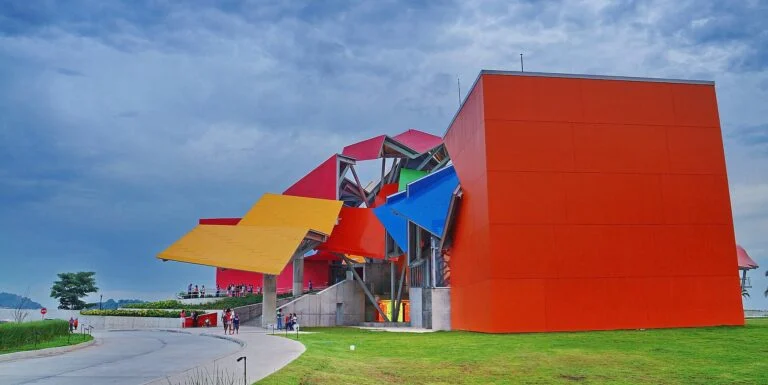
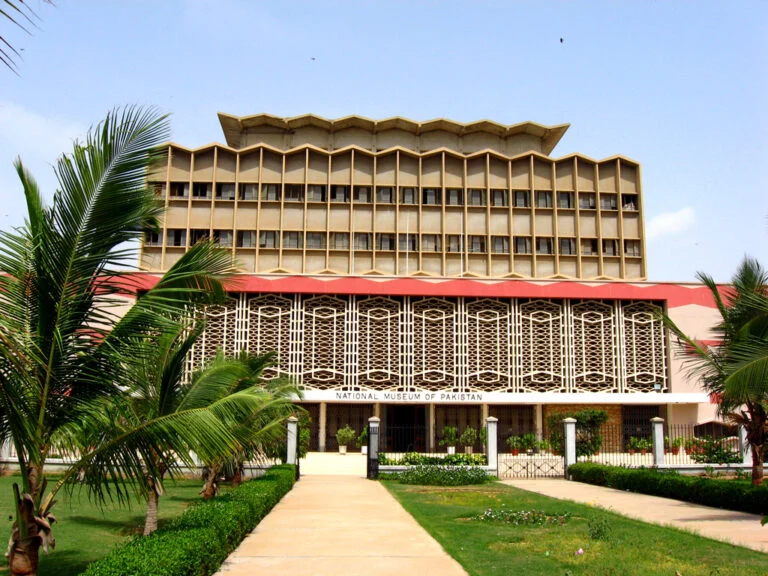
Museo del Canal Interoceánico de Panamá Review
Panama City, Panama. The Museo del Canal Interoceánico de Panamá sets out with a clear and focused mission: to explain the complex history and significance of the Panama Canal. Unlike museums with sprawling, multi-thematic collections, this institution…
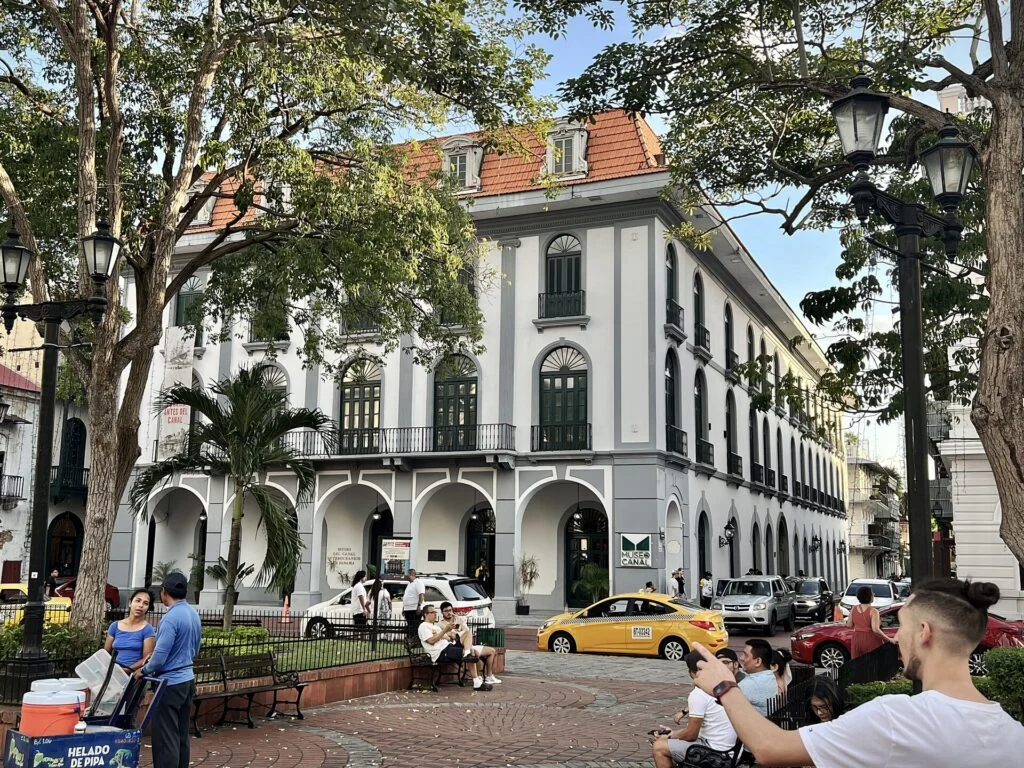
Panama City, Panama. The Museo del Canal Interoceánico de Panamá sets out with a clear and focused mission: to explain the complex history and significance of the Panama Canal. Unlike museums with sprawling, multi-thematic collections, this institution…
Best forMuseum lovers, culture travelers, first-time visitors
Review focusCollections, visitor experience, and practical planning
Purpose, Place, and Perspective
The Museo del Canal Interoceánico de Panamá sets out with a clear and focused mission: to explain the complex history and significance of the Panama Canal. Unlike museums with sprawling, multi-thematic collections, this institution narrows in on the canal's construction, its geopolitical implications, and its ongoing role in global trade and Panamanian identity. The museum’s vantage point is necessarily entwined with Panama City itself, given the city's status as the canal's gateway and the historical crossroads of nations and cultures.
Far from presenting a purely celebratory or technical account, the museum grapples with the varied and sometimes contentious histories behind the canal. This includes the international ambitions that shaped its creation, the engineering marvel it represents, as well as the social realities of the workforce and territorial disputes that accompanied its construction and operation. This layered approach defines the museum’s identity and focus. It positions the Panama Canal as more than just infrastructure; it is a symbol and instrument through which global politics, economics, and culture have intersected.
Because it is located near the entrance to the Panama Canal itself—a place of immense strategic and economic importance—the museum holds a natural authority in telling this story. The proximity adds a geographical and emotional resonance to its subject. The museum’s purpose, place, and perspective align tightly, which gives it a sense of cohesiveness that might be lacking in institutions trying to cover similar themes but from a more removed vantage point.
The Core Collection
The museum’s collection is a concentrated assembly of artifacts and materials that orient visitors to the canal’s history in a concrete way. Models of the canal’s locks and ships offer tangible insights into the engineering feats involved. Photographs and maps from different construction eras chart the canal’s evolution and the international players engaged in its development, from French entrepreneurs to American engineers and workers. Documents and personal items of the laborers provide context on the human cost behind the monumental project.
This physical evidence anchors a narrative that spans from initial French efforts under Ferdinand de Lesseps in the late 19th century to the American completion and subsequent Panamanian control in the 20th century. The collection also includes elements that touch on the canal’s technological modernization phases and its current operations.
Unlike broader historical museums that might only superficially touch on the canal’s story, this museum’s holdings delve deeply into this single subject. The detailed technical artifacts and archival material enrich understanding of the canal’s construction challenges and its role as a symbol of colonial and post-colonial power.
However, the collection’s scope, by design, excludes wider contextual history. For instance, the local indigenous groups or the broader history of Panama not connected to the canal receive limited attention here. This focus can feel narrow, but it ensures depth rather than dilution.
Exhibitions and Interpretation
Interpretation at this museum tends to adhere to a straightforward, documentary style designed to inform rather than to provoke or upset. The timeline of events is presented chronologically, with ancillary displays exploring specific topics such as the health crises during construction, including yellow fever and malaria, which notoriously slowed early canal efforts. The museum does not shy away from these darker chapters, giving a fuller picture of what the canal’s building entailed.
Displays seem primarily text-based with supporting images, objects, and models. This traditional approach gives clarity but risks a lack of engagement for visitors accustomed to more interactive or theatrical presentation styles. Without overtly multimedia or immersive elements, the storytelling rests on the strength of the objects and captions. This suits a focused visitor interested in historical facts and technical details, but it might challenge those seeking a sensory or highly dynamic experience.
The museum does include audio-visual materials, such as documentary footage or interviews, that deepen the narrative beyond text and static objects. These elements underscore the canal’s operational complexity and its significance for Panama and the world economy.
Interpretative choices steer clear of sensationalism or broad political critique. The canal’s history is neither glamorized nor overly politicized. Such neutrality aims to present a balanced historic record, though some might find the tone cautious given the deeply contested history of the canal’s sovereignty and labor.
Audience Fit and Visitor Flow
Interest in the Panama Canal draws a mix of audiences, and this museum is best suited to those with a specific interest in maritime history, engineering, or Latin American geopolitical history. Scholars, students, and professionals in fields such as transport, global trade, or colonial studies would find the focused content useful and well organized.
The museum’s density of specialist information makes it less accessible for casual tourists or young children unless they are already familiar with or enthusiastic about the canal’s story. This specificity limits its appeal as a general family outing or for visitors seeking a broad cultural experience in Panama City.
Its location near the canal locks likely attracts visitors en route to or from canal tours. In this sense, the museum benefits from a natural audience of those who have a contextual interest in the canal but want a more detailed appreciation.
While detailed accounts of the visitor flow or spatial layout of the museum are not readily available, the institution’s smaller, focused nature suggests a straightforward route. Visitors can concentrate on the main displays without the fatigue or distraction a larger museum might cause. This concentrated flow reinforces the focused intent but might also restrict dwell time to a shorter visit.
Highlights and Trade-Offs
Among the museum's highlights, the scale models of the locks are notable. They offer a three-dimensional way to understand how ships maneuver through the canal, which can be difficult to grasp from two-dimensional images or text. Similarly, historical photographs from different construction phases reveal the scale of human effort and the technological hurdles overcome.
Another strength lies in the documentary footage and personal testimonies that add a human dimension to what could otherwise be a technical story. These accounts bring attention to the international workforce, including West Indian laborers and other migrant communities, and acknowledge their contributions and hardships.
On the other hand, the museum does not cover the broader social and cultural outcomes triggered by the canal. For example, it touches lightly on political sovereignty but does not comprehensively address Panama’s later efforts to regain control or the canal's effects on indigenous populations in the surrounding area. This omission might disappoint those looking for a full societal context.
The focus on fact-based, linear narrative interpretation also means the presentation lacks provocative inquiry into canal history’s contemporary controversies. More critical or alternative perspectives on colonialism and economic control, which are very much part of the canal’s modern legacy, receive relatively minor attention.
Visit Planning
Practical information about visiting this museum remains limited in publicly available sources. Prospective visitors should consult the museum’s official website or contact local tourist information centers for up-to-date details on opening hours, entrance fees, guided tours, and accessibility provisions.
Given its focused subject and moderate size, visitors might plan 60 to 90 minutes here, allowing time to absorb text, views of artifacts, and audiovisual segments. The museum’s location in Panama City makes it relatively easy to combine with visits to the canal itself or other city attractions.
Those interested primarily in the canal’s engineering might want to supplement this visit with a canal locks tour or a visit to other Panamanian museums covering indigenous culture or national history for broader context.
The Bottom Line
The Museo del Canal Interoceánico de Panamá delivers a concentrated and well-documented account of one of the world’s most important engineering feats. Its narrow focus on the canal’s history, construction, and operation allows for depth rather than breadth. The collection’s concrete objects and archival materials ground the narrative firmly in fact, while the interpretative approach remains factual and measured.
This tight specialization makes the museum a reliable, if somewhat technical, resource for those looking to understand the canal’s physical and historical realities. It avoids grandstanding or overly simplified stories, which respects the complexity of its subject. At the same time, the museum does not grapple extensively with the broader social or political implications, nor does it push interpretative boundaries.
Simply put, it is a place for focused learning about the Panama Canal’s engineering and historical milestones more than a site for broad cultural exploration or challenging historical debates. This focus is its strength and also its limitation, shaping it into a specialist institution in an international city known for global crossroads.