Strategic Air Command & Aerospace Museum
Aviation Museums · Ashland, United States. The Strategic Air Command & Aerospace Museum in Ashland, Nebraska, is a military and aerospace museum dedicated to the history and technology of the United States Air Force, with particular emphasis on the Strategic…
Best forAircraft fans, engineering history, family visits
Setting / nearbyAshland, United States
Overview
The Strategic Air Command & Aerospace Museum in Ashland, Nebraska, is a military and aerospace museum dedicated to the history and technology of the United States Air Force, with particular emphasis on the Strategic Air Command (SAC) era and broader aerospace developments. Established to preserve and interpret the airborne nuclear deterrent mission and related aircraft, the museum offers insight into cold war military aviation, aerospace advancements, and the technological innovations that shaped American strategic defense from the mid-20th century onward.
Located near Omaha, the museum serves as a specialized centre that presents the heritage of strategic bombing, reconnaissance, and missile forces within the U.S. Air Force. While its focus is military and aerospace history, the museum also addresses themes of aviation engineering, aerospace exploration, and the impact of air power on global security, providing a thorough look at a significant but often underrepresented sector of American and international military history.
Collection Highlights
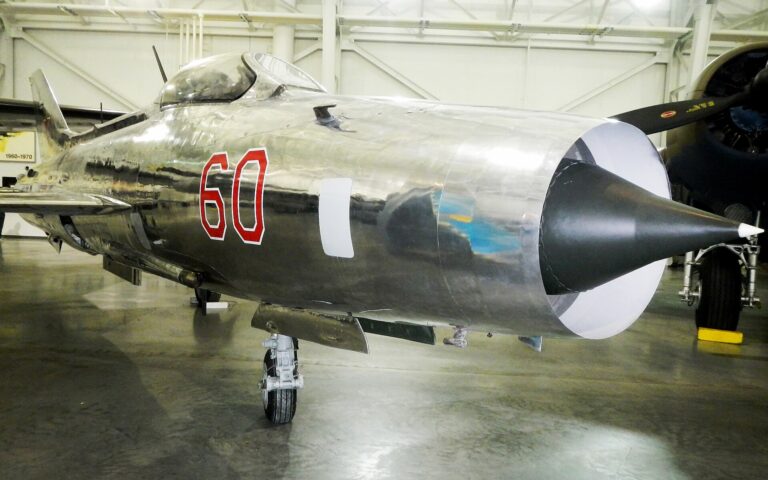
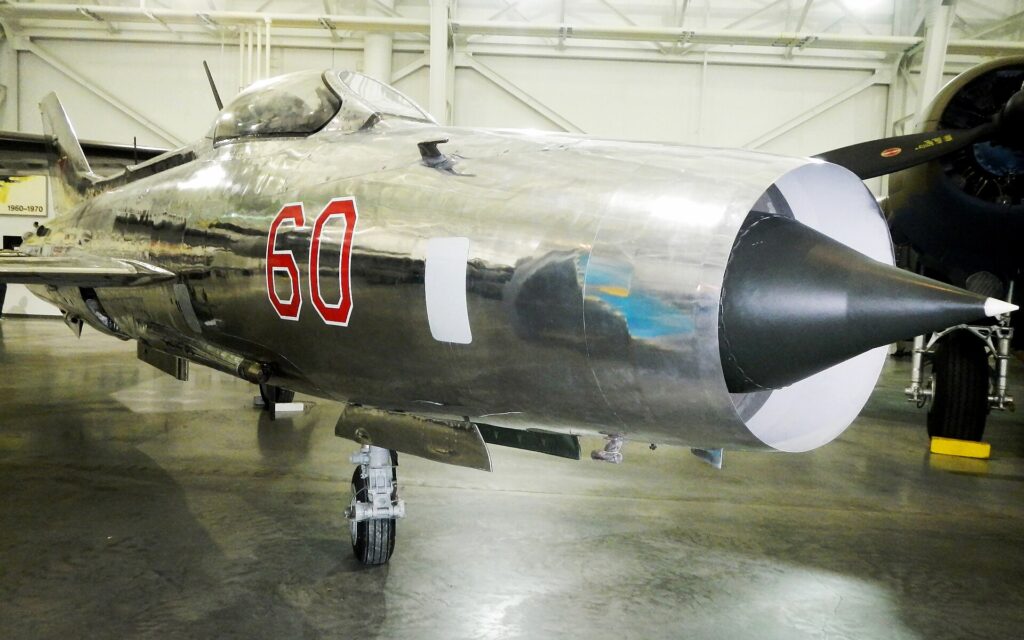
The museum’s collection centers on military aircraft and aerospace artifacts primarily linked to the Strategic Air Command, which was a major part of the United States’ defense strategy during the Cold War. Visitors can expect to see a range of large aircraft including bombers, tankers, fighters, and reconnaissance planes that were integral to SAC’s mission. These include well-known types such as the B-47 Stratojet and the B-52 Stratofortress, which represent significant advances in jet-powered strategic bombing capabilities.
In addition to aircraft, the museum houses missiles, engines, and other aerospace technology illustrating the progression of air and space warfare technology through the Cold War era into the early space age. Exhibits also cover the development and deployment of intercontinental ballistic missiles (ICBMs), which were a fundamental element of the strategic deterrent.
Artifacts include flight simulators, crew equipment, and a variety of technical instruments, all contributing to understanding the operational experience and technological complexity of SAC operations. Photographs, uniforms, documents, and personal stories enrich the narrative, offering visitors human perspectives on a highly technical and secretive area of military history.
While the museum’s main focus is U.S. Air Force strategic operations, there are also exhibits related to early space exploration and aerospace technology development, reflecting the connection between military aviation and civilian aerospace milestones.
Building and Setting
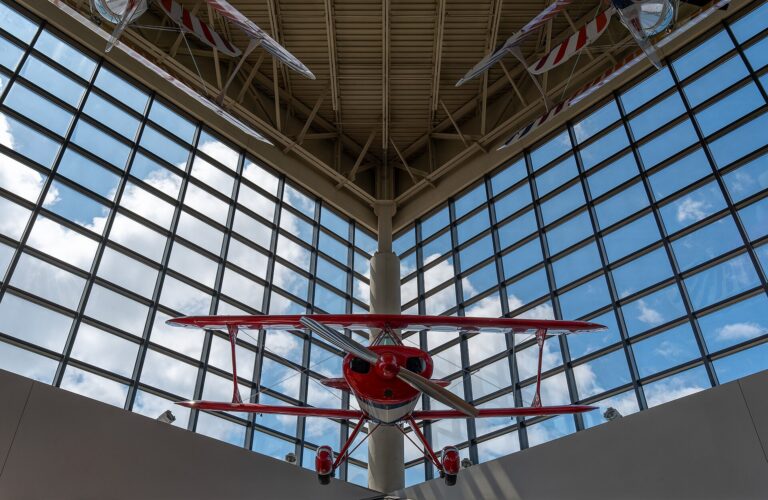
Situated in rural Nebraska, the Strategic Air Command & Aerospace Museum occupies a spacious, purpose-built facility that accommodates the museum’s sizable aircraft collection and associated exhibits. The location allows for the display of large and often outdoor aircraft, giving visitors ample space to appreciate the scale and design of these machines.
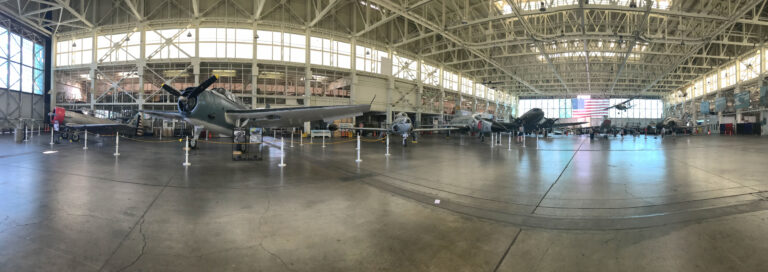
The setting away from dense urban centers highlights the museum’s function as a specialized repository rather than a general tourist destination. The facility has been designed with both indoor and outdoor exhibition areas, with large hangar-like spaces that protect most of the aircraft and aerospace artifacts while outdoor areas feature larger or static display aircraft.
The building itself is designed to facilitate easy movement around large exhibits, with clear sightlines and straightforward visitor flow, helping guests view aircraft from multiple angles. The location, while somewhat remote, contributes to a quieter, focused experience but may require planning for travel from Omaha or other nearby cities.
Practical Information
If you are considering a visit to the Strategic Air Command & Aerospace Museum, it is advisable to check the museum’s official website for the most current details regarding hours, admission, possible tour availability, and any special events. Since the museum is located outside a major urban area, visitors should plan their journey carefully. Transportation options may be limited to driving, and the museum’s parking facilities should be confirmed ahead of time.
Information on accessibility, guided tours, audio guides, or special programs is best verified directly through official sources, as these services can vary or change depending on season and staffing.
Given the museum’s focus on large aircraft and technical equipment, visitors should be prepared for walking and standing during the visit. Weather could affect outdoor exhibits, so checking the forecast might enhance the visit experience.
Why Visit
The Strategic Air Command & Aerospace Museum offers a distinctive perspective for those interested in military aviation, Cold War history, and the development of aerospace technology. For visitors with an interest in air power and the technical evolution of strategic deterrence forces, the museum provides a structured look at how aircraft and missile systems were integral to national defense strategies.
The museum’s extensive collection of aircraft allows visitors to engage with tangible examples of mid-to-late 20th-century military technology. It may particularly appeal to enthusiasts of military history, aerospace engineering, and veterans or families connected to the Strategic Air Command era.
While not every visitor may be familiar with the details of Cold War air power, the museum attempts to convey the significance of these forces in a manner that is accessible without oversimplifying the complexities of military strategy and technology.
The establishment is less suited to those seeking a broad overview of aviation history or general aerospace achievements unrelated to the military. Its focus is specialized and sometimes technical, which may not align with all museum-goers’ interests.
In summary, for anyone prepared to engage with a focused military and aerospace collection set in a quieter regional context, the Strategic Air Command & Aerospace Museum offers a compelling look at a pivotal niche of U.S. air and space history. Visitors should plan thoughtfully, particularly regarding travel and seasonal considerations, to fully appreciate what the museum has to offer.