State Museum of History of Uzbekistan
History Museums · Tashkent, Uzbekistan. The State Museum of History of Uzbekistan offers an extensive look at the long and varied history of Uzbekistan through archaeological artifacts, ethnographic materials, and historical documents. It traces the region’s past from ancient…
Best forHistory lovers, cultural travelers, local heritage
Setting / nearbyTashkent, Uzbekistan
Overview
The State Museum of History of Uzbekistan offers an extensive look at the long and varied history of Uzbekistan through archaeological artifacts, ethnographic materials, and historical documents. It traces the region’s past from ancient times through to the modern era, showcasing the succession of cultures, peoples, and events that have shaped Central Asia. Unlike museums that focus narrowly on one period or theme, this is a comprehensive history museum, allowing visitors to follow threads from the Bronze Age, through the Silk Road’s influence, up to the twentieth century Soviet and post-Soviet transformations of Uzbekistan. The museum is situated in Tashkent, the country’s capital, which itself has long been a crossroads of civilizations. This makes it a fitting location to explore Uzbekistan’s complex past.
Collection Highlights
The archaeological section presents finds from excavations across Uzbekistan, reflecting cultures that thrived along ancient trade routes. Stone tools, pottery shards, and burial goods from the Bronze and Iron Ages illustrate early settlement patterns. Items dated to the Sogdian and Kushan periods reveal the region’s importance for trade and cultural exchange. Coins and inscriptions help map interactions across Central Asia, Persia, and further east.
Ethnographic displays capture everyday life and traditions of Uzbek communities, with costumes, carpets, jewelry, and household objects. These exhibits offer insight into regional diversity within Uzbekistan and connections to nomadic and settled cultures.
The museum holds material related to famous historical cities like Samarkand, Bukhara, and Khiva, places pivotal to the Silk Road. Manuscripts, miniature paintings, and religious artifacts demonstrate the artistic and intellectual achievements of Islamic Central Asia. These include illustrated Quranic texts and decorative ceramics.
A significant section is devoted to the Russian Imperial period and Soviet era, presenting documents, photographs, and objects related to political and social changes. This helps explain how colonialism and Soviet policies impacted the country’s development before independence in 1991.
Building and Setting
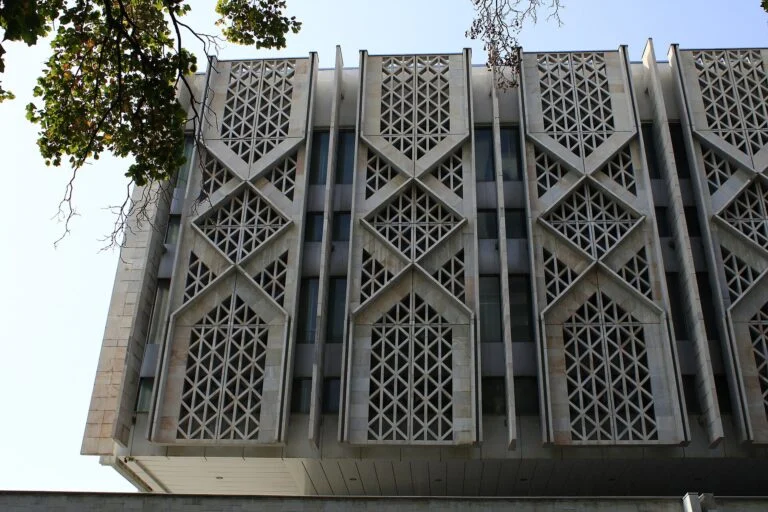
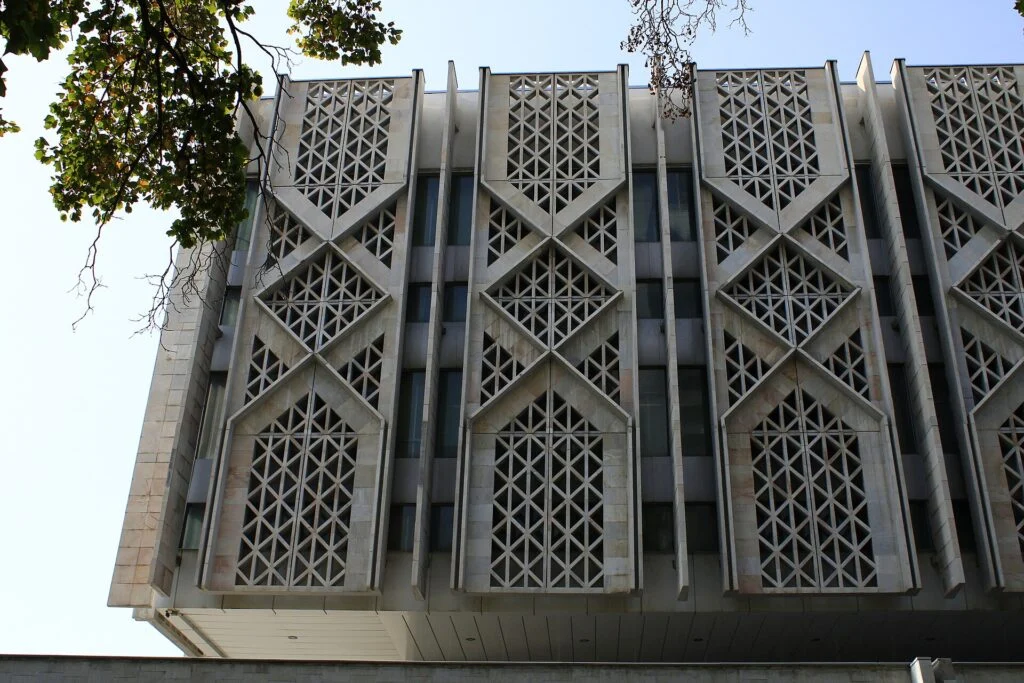
The museum occupies a building in central Tashkent, easily accessible from the city center. Although details of the building’s architectural history are scarce, it is part of the broadly Soviet-era institutional fabric rather than being housed in a historic monument or purpose-built cultural landmark. The location places it within reach of other city attractions, making it possible to combine a visit with explorations of Tashkent’s markets, mosques, or public squares.
The interior is arranged chronologically in galleries that guide visitors through Uzbekistan’s epochs. The layout allows for a logical progression from prehistoric finds to recent history, though it requires some attention to navigate the transitions smoothly. Signage and explanations accompany the objects, primarily in Uzbek and Russian; English descriptions may vary.
Practical Information
Details about opening hours, ticket costs, guided tours, or visitor services are not definitively confirmed here. Prospective visitors should consult the museum’s official website or local tourism resources before planning a visit to obtain the latest information on admission and access.
The museum’s central Tashkent location suggests it is reachable by public transport or taxi. Information about facilities for visitors with disabilities is not specified, so enquiries might be necessary if these are a concern.
Why Visit
The State Museum of History of Uzbekistan is valuable for anyone looking to understand the country beyond its famous cities or bazaars. Its most distinctive feature is the breadth of time it covers, presenting the layers of history that form Uzbekistan’s identity. This is not a narrowly specialized collection of artifacts but an encompassing narrative that links archaeological finds with the movements of empires, the cultural flowering of Islamic Central Asia, and the complexities of modern statehood.
Visitors interested in archaeology and ethnography will find tangible connections to the vast Silk Road network and the traditional lifestyles adapted to the region’s environment. The inclusion of Soviet and colonial materials helps contextualize recent history and its effects on development and identity.
On the other hand, those expecting polished exhibition design or extensive English-language resources may find the museum challenging. The chronology and variety of artifacts require some prior knowledge to fully appreciate the significance of what is on display. The focus is on historical content, which might feel dense to those looking for a lighter introduction.
In summary, the museum is suited to those curious about Central Asian history who have patience for detailed study and a willingness to engage with a diverse and sometimes complex set of exhibits. It complements visits to historic Uzbek cities by providing background context on wider regional developments over millennia. Readers should check current visitor information before planning their trip.