Sobibór Museum Review
History Museums · Sobibór, Poland. The Sobibór Museum, located in Sobibór, Poland, is a site of profound historical significance. It commemorates the Sobibór extermination camp, one of the tragic focal points of the Holocaust during World War II. Established…
History Museums · Sobibór, Poland. The Sobibór Museum, located in Sobibór, Poland, is a site of profound historical significance. It commemorates the Sobibór extermination camp, one of the tragic focal points of the Holocaust during World War II. Established…
Best forScience, technology, hands-on learning
Review focusExhibits, interpretation, visitor flow
Historical Context
The Sobibór Museum, located in Sobibór, Poland, is a site of profound historical significance. It commemorates the Sobibór extermination camp, one of the tragic focal points of the Holocaust during World War II. Established following years of research and archeological work, the museum stands as a memorial to the victims and a testament to the resilience of those who resisted in extraordinary circumstances. The camp was operational from 1942 to 1943 and was the site where nearly a quarter of a million Jews were murdered as part of the Nazi "Operation Reinhard," which sought the systematic extermination of the Jewish population in occupied Poland. The site is also known for the Sobibór prisoner uprising in October 1943, one of the rare, successful revolts in such camps that allowed many prisoners to escape. By preserving the grounds and providing educational resources, the museum not only honors the memory of those lost but also fosters a deeper understanding of this dark chapter of human history.
What You See on Arrival
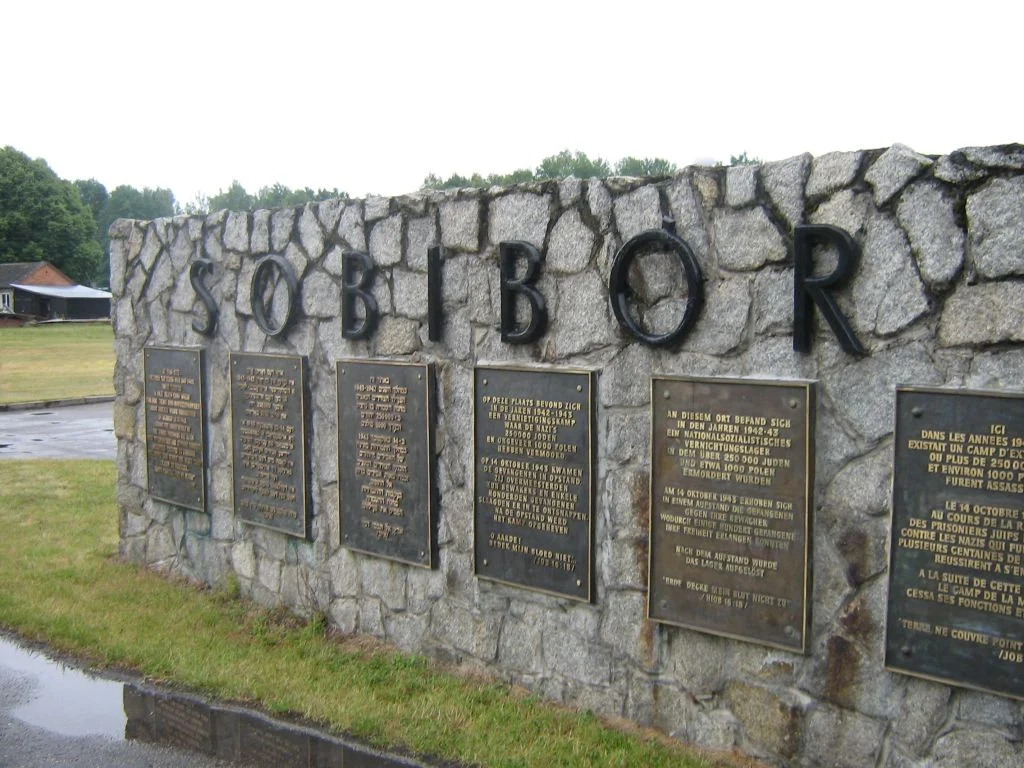
Upon arriving at the Sobibór Museum, visitors are struck by the somber atmosphere that permeates the site. The entrance itself is modest, deliberately understated to reflect the solemn nature of the location. The surrounding landscape remains relatively untouched, allowing guests to sense the isolation and desolation that characterized the camp during its operation. Visitors first encounter areas where the camp’s layout is clearly marked out, often with memorial plaques and information boards providing essential context. There is a focus on transparency and authenticity, with efforts made to maintain the original grounds and preserve evidence unearthed through archeological research. The initial impression is one of reverence and reflection, setting the tone for an experience that is heavy with historical gravity.
Highlights and Key Exhibitions
The exhibitions at the Sobibór Museum are curated to convey the scale and horror of the camp’s purpose, as well as the human stories that lie beneath the tragic statistics. While the museum avoids overwhelming visitors with large collections of artifacts, it focuses on delivering impactful, well-researched content that enhances understanding. Interpretive panels throughout the site guide visitors through the camp’s geographical layout, explaining the functions of various sections such as the arrival area, the gas chambers, and prisoner quarters. One of the most significant components is the memorial area dedicated to the victims, which includes symbolic installations commemorating the lives lost and the uprising that disrupted the camp’s operations. Archeological findings are displayed with clear explanations, offering tangible evidence of the camp’s reality without sensationalism. The museum also incorporates survivor testimonies and historical documents in its narrative, providing depth to the exhibits and anchoring them in personal and collective memory.
Visitor Experience
The visitor experience at the Sobibór Museum is particularly designed to encourage reflection, education, and respect. The layout is intentionally contemplative rather than commercial or entertainment-focused, allowing visitors space and time to absorb the heavy history. Guided tours are available, and these are highly recommended for those seeking a fuller contextual understanding, as guides provide nuanced narratives that connect the physical space with the larger history of the Holocaust. The museum’s atmosphere is quiet and respectful, with seating areas positioned thoughtfully for those who require breaks or wish to engage with the site in a more introspective manner. The presentation style balances factual information with emotional resonance, ensuring that visitors not only learn about the events but also grasp their profound human impact. Audio-visual aids are used sparingly but effectively, maintaining the dignity appropriate to the setting.
Tickets, Access, and Planning
The Sobibór Museum operates with a visitor-centered approach to entry and accessibility. Tickets can be purchased at the site or reserved in advance, with advance booking advisable during peak periods to ensure availability, given the museum’s importance and limited capacity. The museum offers a range of ticket options, including those for guided tours and educational groups, tailored to enhance visitor understanding. Accessibility for those with mobility challenges is considered, with paths designed to accommodate wheelchair users and clear signage assisting navigation around the site’s extensive grounds. The museum’s location in a rural area outside of larger urban centers means visitors should plan their travel carefully. Public transport options are limited, so private vehicle hire or pre-arranged tours might be the most convenient routes. The official museum website provides up-to-date information regarding operating hours, visitor protocols, and detailed directions. Planning ahead is key to making the most of the visit, especially for international travelers.
Final Verdict
The Sobibór Museum stands as a poignant and necessary institution dedicated to one of the darkest episodes in human history. Its strength lies in its commitment to respectful remembrance, education, and the preservation of historical truth. Rather than relying on dramatic reconstructions or extensive artifact displays, the museum uses careful curation, site preservation, and survivor testimonials to evoke a powerful sense of what occurred at the camp. This creates an experience that is both informative and deeply moving, allowing visitors to connect intellectually and emotionally with the history of the Holocaust. The museum’s understated presentation and careful maintenance of the original environment help retain a sense of authenticity that is often missing in larger, more commercialized heritage sites. While the rural location and the emotional intensity of the subject matter may not appeal to all tourists, for those interested in history, memory, and human rights, the Sobibór Museum is an invaluable destination. It invites visitors to confront a painful legacy while fostering a commitment to remembrance and education that transcends generations.