Sjöhistoriska museet Review
Art Museums · Östermalm, Sweden. Sjöhistoriska museet, located in Östermalm, Stockholm, Sweden, stands as a distinguished institution dedicated to the maritime heritage of Sweden and its relationship with the sea. The museum chronicles the evolution of Swedish naval history,…

Art Museums · Östermalm, Sweden. Sjöhistoriska museet, located in Östermalm, Stockholm, Sweden, stands as a distinguished institution dedicated to the maritime heritage of Sweden and its relationship with the sea. The museum chronicles the evolution of Swedish naval history,…
Best forMaritime history, ships, harbour heritage
Review focusArchaeological collections, context, and visitor planning
Historical Context
Sjöhistoriska museet, located in Östermalm, Stockholm, Sweden, stands as a distinguished institution dedicated to the maritime heritage of Sweden and its relationship with the sea. The museum chronicles the evolution of Swedish naval history, commercial shipping, and maritime culture, reflecting the country’s deep connection to the Baltic Sea and beyond. Established in the early 20th century, it has grown into a comprehensive repository of artifacts, documents, and narratives that explore the interplay between maritime technology, naval warfare, and everyday life at sea. The museum’s collections span centuries, offering insights into shipbuilding traditions, navigation, and the role of the sea in shaping Sweden’s economic and geopolitical landscape. This historical context provides visitors with a profound appreciation for the maritime achievements and challenges that have influenced Swedish society. The museum is a vital cultural institution that situates Sweden’s maritime story within both national and international frameworks.
What You See on Arrival
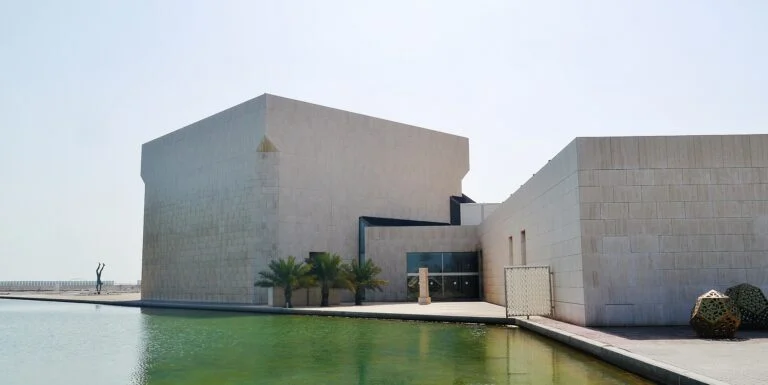
Upon approaching Sjöhistoriska museet, visitors are immediately greeted by the institution’s distinctive architecture, which harmonizes modern elements with historical references. The exterior is designed to evoke the maritime spirit, with forms and materials reminiscent of shipbuilding traditions. Situated near the scenic waterfront of the Stockholm archipelago, the museum’s location is both strategic and symbolic, emphasizing its connection to Sweden’s seafaring heritage. The entrance hall is spacious and welcoming, prominently featuring maritime-themed décor and design that sets the tone for the visit. Within the lobby area, clear signage guides visitors to various galleries and amenities. The initial impression is one of an organized and thoughtfully curated space, clearly designed to engage both casual visitors and enthusiasts. Additionally, the museum’s proximity to the water allows for occasional outdoor exhibits and provides beautiful views that enrich the visitor experience before even stepping inside the main galleries.
Highlights and Key Exhibitions
Sjöhistoriska museet prides itself on a rich array of permanent and rotating exhibitions that embody the multifaceted nature of maritime history. Among the key highlights are extensive collections of ship models, ranging from ancient Viking vessels to modern naval ships. These models are meticulously crafted, offering detailed insight into ship design, construction, and function. Another cornerstone of the exhibition is the comprehensive portrayal of Swedish naval history, including displays focusing on significant naval battles, the evolution of naval technology, and the lives of sailors across different eras. The museum also houses a variety of artifacts such as navigational instruments, maritime art, and personal items recovered from shipwrecks, each telling its own story.
One particularly compelling aspect of the museum is its commitment to exploring both military and commercial maritime histories, providing a broad context that highlights Sweden’s role in global trade and naval defense. The museum’s storytelling is supported by interactive exhibits and multimedia presentations, which serve to engage a wide demographic, from families with children to academic researchers. While temporary exhibitions may change, the permanent collection ensures that visitors always have access to in-depth information about Sweden’s maritime legacy.
Visitor Experience
The layout of Sjöhistoriska museet is designed to facilitate an intuitive and enriching journey through maritime history. Exhibits are arranged thematically and chronologically, assisting visitors in understanding the progression of maritime technologies and cultural developments. Display cases are well-lit and thoughtfully spaced, allowing for easy viewing without crowding. Informative panels accompany the exhibits, providing detailed explanations that balance scholarly depth with accessibility. The inclusion of audio guides and digital interactives further enhances the learning experience, appealing to various learning styles.
The museum also accommodates visitors with family-friendly features such as dedicated play areas and educational workshops. These initiatives reflect a clear intention to make maritime history approachable and enjoyable for younger audiences, without diminishing scholarly rigor for more advanced visitors. Staff members are reported to be knowledgeable and approachable, offering assistance and information as needed, which adds to the overall positive atmosphere.
Tickets, Access, and Planning
Planning a visit to Sjöhistoriska museet is straightforward, with information readily available on the museum’s official website. Ticket prices are reasonable and structured to encourage a broad audience, including discounts for students, seniors, and families. Admission is free for children under a specified age, fostering accessibility for younger visitors. The museum also participates in various cultural initiatives that occasionally offer extended free or discounted entry, particularly for local residents and community groups.
Access to the museum is well-considered, with transportation options including public transit and parking facilities nearby. The location in Östermalm is easily reachable from central Stockholm, making it convenient for tourists and locals alike. The museum is fully wheelchair accessible, with ramps and elevators facilitating movement throughout the building. Facilities such as restrooms, café services, and a gift shop contribute to a comfortable and complete visit. Additionally, the museum provides resources in multiple languages, which cater to the diverse international audience Stockholm attracts.
Final Verdict
Sjöhistoriska museet is an exemplary institution for those interested in maritime history, offering a comprehensive and thoughtfully curated examination of Sweden’s relationship with the sea. It successfully balances academic rigor with accessible presentation, making it a rewarding destination for a wide range of visitors. The permanent collection stands out for its depth and variety, from meticulously detailed ship models to evocative artifacts and compelling narratives. The museum’s location, design, and visitor services further enhance its appeal, creating an environment that is both educational and inviting.
While the museum could benefit from more frequent updates to its temporary exhibition program to attract repeat visitors, its strong permanent offerings ensure a consistently high-quality experience. For those visiting Stockholm with an interest in naval heritage, commerce, or maritime culture, Sjöhistoriska museet provides a uniquely immersive and informative experience. By illuminating Sweden’s maritime past in a manner that connects it to wider historical and contemporary contexts, the museum plays a crucial role in preserving and celebrating an essential aspect of national identity. Overall, Sjöhistoriska museet comes highly recommended for its thoughtful curation, engaging displays, and commitment to public education.