SCMaglev and Railway Park Review
Railway Museums · Nagoya, Japan. SCMaglev and Railway Park in Nagoya, Japan, occupies a distinctive place within the country’s railway heritage landscape. Opened in 2011 by Central Japan Railway Company (JR Central), the museum was established to showcase the…
Railway Museums · Nagoya, Japan. SCMaglev and Railway Park in Nagoya, Japan, occupies a distinctive place within the country’s railway heritage landscape. Opened in 2011 by Central Japan Railway Company (JR Central), the museum was established to showcase the…
Best forTrain lovers, engineering history, family visits
Review focusRailway collections, locomotives, and visitor planning
Historical Context
SCMaglev and Railway Park in Nagoya, Japan, occupies a distinctive place within the country’s railway heritage landscape. Opened in 2011 by Central Japan Railway Company (JR Central), the museum was established to showcase the history and technological progress of the region’s rail systems, focusing on both traditional railways and the cutting-edge superconducting magnetic levitation (SCMaglev) technology under development. Japan has a globally significant railway culture, famous for its Shinkansen bullet trains, intricate commuter networks, and innovation in rolling stock. This museum situates itself within that narrative by bridging historical achievements with visions of future mobility.
Rather than presenting a broad overview of all Japanese railways or international trains, the site emphasizes JR Central’s own lineage and technological milestones. This approach reflects the company’s role in Japan’s rail development, particularly the Tokaido Shinkansen, the world’s first high-speed rail line, and ongoing SCMaglev projects aimed at sharply reducing travel times between major urban centers. The museum’s creation coincided with an era when Japan was enhancing its rail infrastructure and simultaneously positioning itself as a leader in maglev research. This dual focus—heritage and innovation—provides a framework for understanding Japan’s evolving transport narrative through the mid-20th century to the present day.
What You See on Arrival
Upon entering the SCMaglev and Railway Park, visitors encounter an environment that signals the museum’s specialized focus on train technology and history. Situated near Nagoya, an industrial and transport hub, the building itself conveys a functional and modern aesthetic aimed at complementing the content inside rather than overshadowing it. Although information about the specific architectural features is limited, the museum’s design evidently supports an industrial and mechanical theme, reinforcing its identity as a space dedicated to engineering achievement.
The entryway presumably orients visitors quickly toward the museum’s dual themes. Early signage and displays offer contextual framing to guide visitors through subsequent exhibits focused on JR Central’s construction of the Shinkansen and maglev trains. Rather than a large-scale historical tableau or ornate façade, the site leans on clarity and technical rigor to establish its purpose. Visible from the approach are large train relics, which signal the primary draw of the park: full-size vehicles and artifacts that illustrate Japan’s rail evolution firsthand.
Highlights and Key Exhibitions
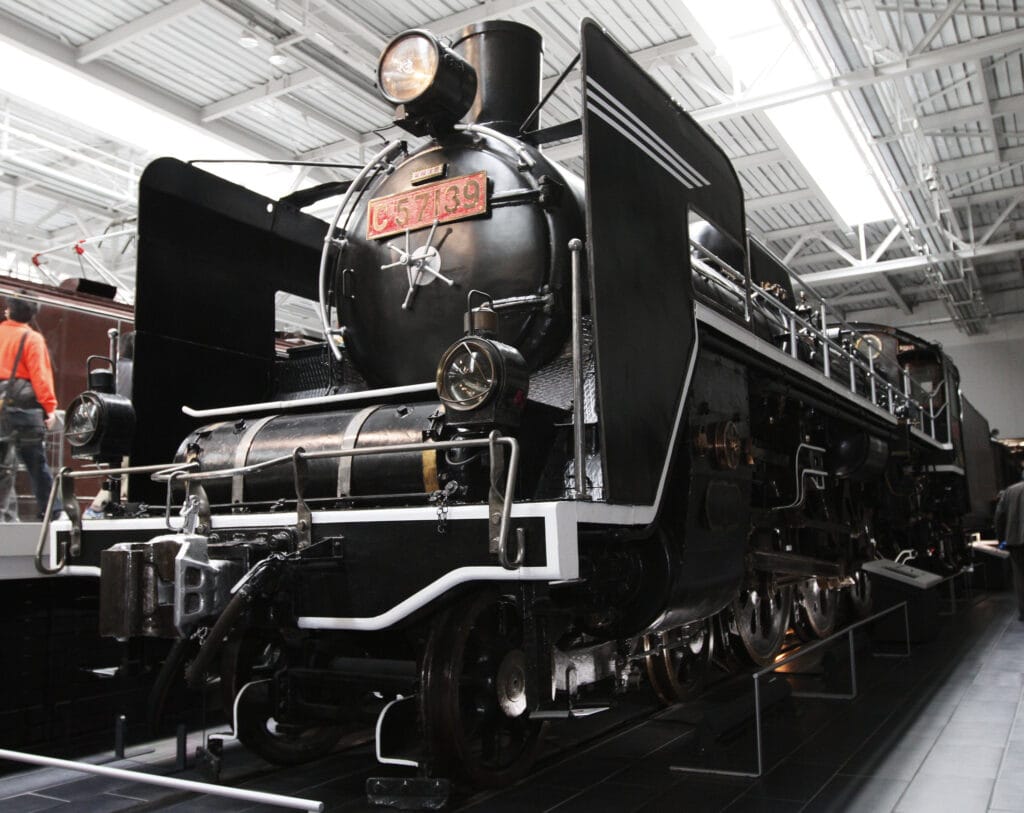
The core of SCMaglev and Railway Park’s visitable content centers on the extensive collection of full-scale train vehicles alongside detailed technical displays about their engineering and history. The museum’s principal strength lies in these trains as physical artifacts—restored and displayed in a manner allowing visitors to appreciate their scale and design. The Shinkansen collection stands out, tracing the progression of the iconic bullet train series from the earliest models introduced in the 1960s to the contemporary variations. This evolution showcases advances not only in speed but in safety, passenger comfort, and energy efficiency.
In addition to the Shinkansen, the museum highlights the burgeoning SCMaglev technology, which represents the next step in Japan’s rail innovation. Visitors find exhibits explaining how magnetic levitation works, emphasizing the technology’s role in future transport projects such as the planned Chuo Shinkansen line. This illustrates the connection between past achievements and future ambitions in transportation science. Detailed diagrams, engineering models, and cutaways elucidate aspects like superconducting magnets and levitation mechanics, providing a degree of technical depth that appeals to enthusiasts and professionals.
Traditional railway stock also features prominently. The collection includes locomotives and carriages from various eras, representing steam, diesel, and electric technology. These allow visitors to follow the broader trajectory of rail development outside the high-speed context. The diverse rolling stock also offers cultural associations, tracing how railways shaped regional and national economic development.
Several interactive exhibits enhance the technical presentations. Simulators and operation controls, for example, let visitors engage directly with the systems and mechanics of train driving. While not purely educational in the conventional sense, these interactive elements contribute to a fuller understanding of the challenges and complexities involved in railway operation.
Complementing the train exhibits are artifacts such as signaling equipment, historical documents, and design schematics that provide additional layers of context. These components address operational and administrative aspects of rail management, expanding the story beyond just mechanical engineering to encompass the organizational infrastructure supporting modern railways.
Visitor Experience
SCMaglev and Railway Park caters predominantly to audiences with an active interest in rail transport technology, engineering, and Japan’s postwar industrial development. Its focus on JR Central’s Shinkansen and SCMaglev makes it particularly fitting for visitors who appreciate detailed technical information and the physical presence of historic and experimental trains rather than purely aesthetic or narrative museum experiences.
The museum’s layout supports an orderly exploration of technological progression. Visitors proceed from traditional rail eras to high-speed trains and finally to maglev speculation, which allows a logical pacing and thematic clarity. However, the depth of technical information may challenge casual audiences or younger visitors without prior knowledge of railway systems. Explanatory materials, often technical, require some reading commitment, and attendance may feel more rewarding to those prepared to engage with engineering concepts.
The presence of real locomotives and carriages provides a significant appeal by offering an authentic material connection to the railway history presented. The scale and detail of these vehicles allow for close viewing and even partial boarding in some cases, adding a tactile element. This physicality contrasts with purely pictorial or textual presentations common in other transport museums.
While the museum includes interactive simulators, interpretation here may lean more toward the technical than the theatrical. These experiences amplify understanding of train operation but do not extend to broader cultural, social, or historical interpretation as strongly. Visitors primarily interested in rail history framed within social or regional contexts may find the museum’s narrower focus a limitation.
The museum’s emphasis on JR Central line development means that the story it tells is not an all-encompassing history of Japanese railways but a company-specific narrative. For those seeking comprehensive exploration of other regions, companies, or types of transport, additional museums would be necessary. However, this concentrated approach also serves to provide depth in its chosen theme.
Tickets, Access, and Planning
Practical details regarding tickets and access should be verified through the museum’s official sources before planning a visit. Information on admission costs, hours, discounts, guided tours, and audio guide availability is subject to change and typically provided directly by the institution. Visitors are advised to consult the official website for the most current and accurate data.
The museum’s location in Nagoya makes it accessible by major rail lines, which complements its thematic connection to rail transport. However, details about parking, local transit connections, or accessibility accommodations are best confirmed in advance. Planning a visit considering these factors will ensure a smoother experience, particularly for international tourists or those with special requirements.
As the exhibition focus is largely permanent, the timing of a visit does not depend on rotating special shows. This allows a flexible approach to scheduling. Still, given the museum’s appeal to enthusiasts and families, busy periods may need consideration, particularly if interactive elements or vehicle boarding are of interest.
Final Verdict
SCMaglev and Railway Park offers a focused, well-curated glimpse into Japan’s railway technological evolution, centered on JR Central’s role in high-speed and maglev train development. It stands out in its impressive presentation of actual locomotives and train cars, which constitute the museum’s main draw. The site is especially suited for those with an interest in engineering, train mechanics, and Japan’s transport innovation timelines.
Its concentrated narrative on JR Central lines and technology means the museum provides depth over breadth. Visitors looking for a broad social or cultural history of Japanese railways, or other regional perspectives, will need to supplement this visit with additional resources or museums. The content is technical and detail-oriented, which may not engage casual visitors or those without prior rail knowledge to the same degree. However, it is rich in material for those willing to engage with the subject matter.
The museum’s interpretive style combines physical exhibits with technical explanation and modest interactive elements, maintaining a serious, informative tone. This approach privileges education and authenticity but does not attempt to entertain through theatrical staging or overly simplified narratives. Practical visiting details should be checked beforehand to assist with planning.
Overall, SCMaglev and Railway Park holds value as a specialized institution documenting a significant chapter in Japan’s rail history, capturing the transition from traditional steam and electric trains to the future prospect of maglev travel. For visitors interested in the mechanics of trains and the arc of Japanese rail advancement, it offers substantial, tangible content to explore.