SCMaglev and Railway Park
Railway Museums · Nagoya, Japan. The SCMaglev and Railway Park in Nagoya is a railway museum dedicated to the development and history of Japanese rail transport, with a special focus on high-speed rail technology. Situated in a country where…
Best forTrain lovers, engineering history, family visits
Setting / nearbyNagoya, Japan
Overview
The SCMaglev and Railway Park in Nagoya is a railway museum dedicated to the development and history of Japanese rail transport, with a special focus on high-speed rail technology. Situated in a country where trains play a vital role in daily life and technological advancement, this museum offers a detailed look at both conventional trains and the cutting-edge magnetic levitation (maglev) technology Japan has been developing for decades. It provides more than just static displays; the museum attempts to chart the evolution of rail travel in Japan from early electric locomotives to the present-day maglev prototypes, reflecting the broader story of transportation innovation.
Operated by the Central Japan Railway Company (JR Central), it primarily aims to document the company’s contributions to Japan’s railway network, especially the Shinkansen bullet trains and the experimental maglev trains. While the museum’s main language is Japanese, English signage and information are available to assist international visitors, which makes the exhibits more accessible to non-Japanese speakers interested in railways.
Collection Highlights
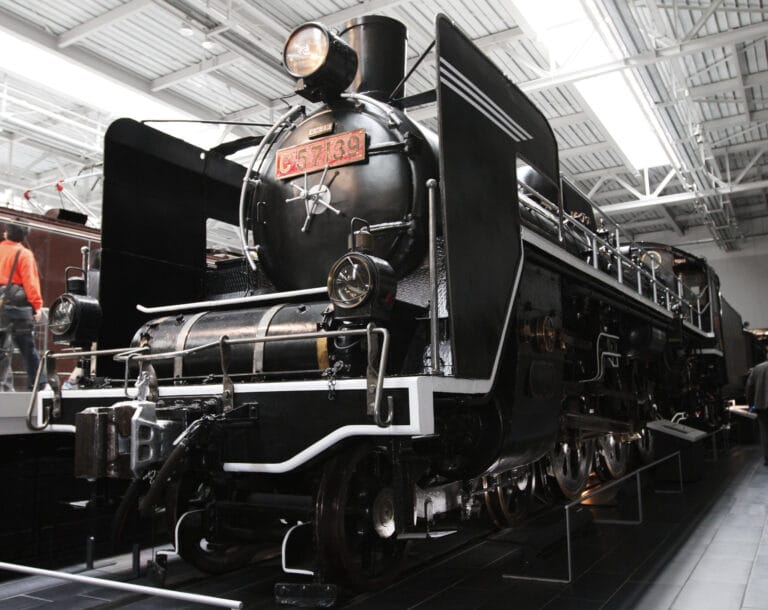
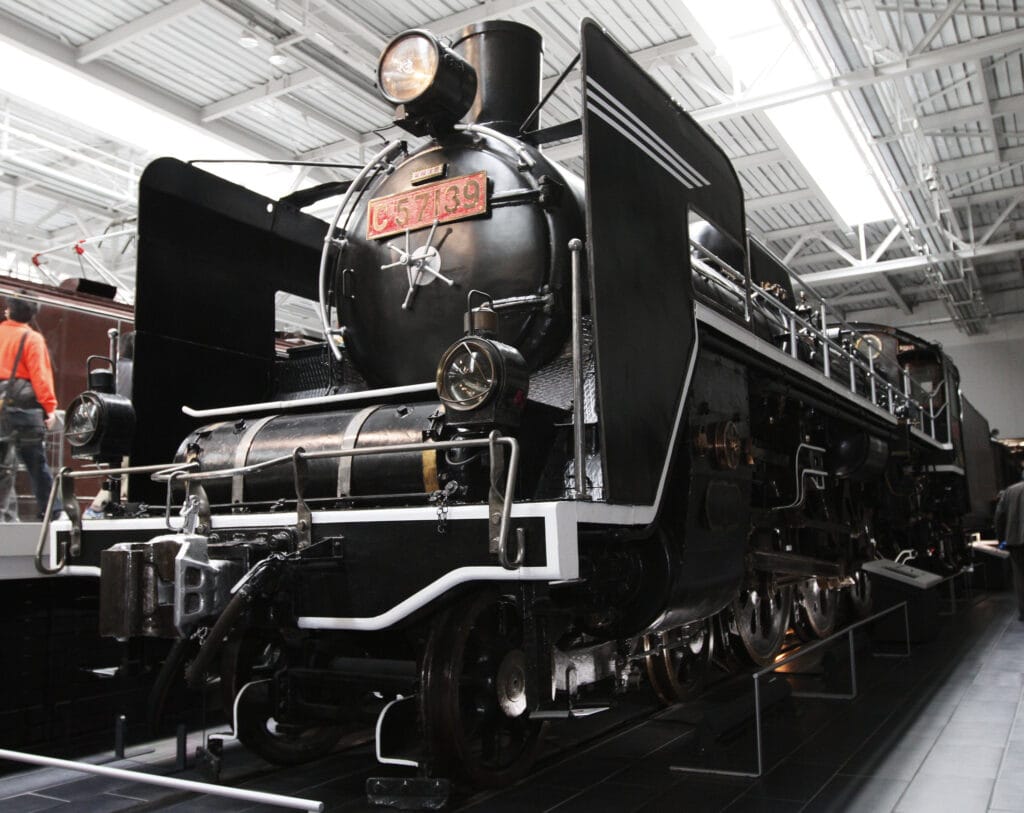
Visitors to the SCMaglev and Railway Park will encounter an extensive and varied collection of trains and railway artifacts. The museum displays actual trains, many of them retired models that were once in regular passenger or freight service. The selection covers a historical range, including early electric engines, Shinkansen units from different eras, and various maglev prototypes. This timeline of rolling stock physically illustrates the technological advancements in speed, design, and safety over the decades.
One prominent feature is the lineup of Shinkansen trains, which visitors can walk around and peer inside. These trains represent stages in the development of Japan’s famous bullet trains, showing changes in design and construction. The maglev exhibits provide an introduction to the technology behind this rapid transit system that uses magnetism to achieve incredibly high speeds with minimal friction.
In addition to whole trains, the collection includes detailed railway models and interactive simulators. The simulators are designed to mimic the experience of operating a train, which can be especially engaging for visitors interested in the technical skills involved in railway operation. The models and maps illustrate the railway network’s growth and explore train technology through a miniature scale, adding dimension to the historical narrative presented by the real railcars.
The museum also presents a variety of artifacts, including historic tickets, tools, photographs, and documents that help tell the story of rail travel in Japan. These smaller items provide context and personal touches, illuminating the human and operational side of railway history. Some exhibits describe the construction and maintenance of railway lines, giving insights into the engineering challenges overcome to build Japan’s rail infrastructure.
While the collection offers a thorough overview of the Central Japan Railway Company’s history, it is less focused on other railway operators or systems outside of this region and specialization. Visitors looking for coverage of Japan’s entire railway system might find the scope somewhat limited, but for those interested particularly in high-speed rail and maglev technology, the museum is quite concentrated and informative.
Building and Setting
The museum is located in Nagoya, central Japan, occupying a modern facility designed to accommodate the large size of its exhibits and the technical nature of its displays. The building itself is practical, with spacious galleries suitable for housing full-size trains and allowing visitors to move around them comfortably. Large viewing windows and open spaces help to create a light and airy atmosphere despite the industrial subject matter.
Externally, some exhibits are displayed in a yard adjacent to the main building where a small train ride is offered. This outdoor area adds to the appeal, letting visitors experience rail travel in a different way and providing a break from the indoor exhibits. The museum’s location within an urban setting makes it accessible from various parts of Nagoya, but precise public transport connections or parking facilities should be verified before visiting.
The overall design prioritizes functionality and educational clarity more than aesthetic flourish, reflecting the museum’s focus on engineering and technical history. For visitors interested in railway technology, the environment supports curiosity and detailed examination.
Practical Information
As with many specialty museums, it is recommended that potential visitors check the official SCMaglev and Railway Park website before planning a visit. Confirm details such as opening hours, ticket prices, whether advance booking is required, and any current visitor guidelines or restrictions. Information on language support, tours, and accessibility can also vary and should be reviewed for an up-to-date understanding of available services.
Because the museum incorporates interactive exhibits and simulators, it may be more suitable for children over a certain age and adults with a keen interest in railway technology. It is not a casual art museum or cultural history center; rather, it presents its subject matter in a way that might require more focused attention or prior interest in trains to fully appreciate.
The museum environment, including exhibit layout and visitor flow, is generally straightforward, but it can become crowded on weekends and holidays, especially in peak tourist seasons. Planning a visit during less busy times might enhance the experience. Facilities such as cafés, rest areas, and gift shops are not details prominently stated and should be confirmed as part of visitor planning.
Why Visit
The SCMaglev and Railway Park holds a particular place for those interested in the engineering and history of Japanese railways, especially high-speed rail development. It offers a focused educational experience that brings together the story of the railway from early electric trains to the edge of futuristic maglev technology. Visitors can appreciate a rare chance to see actual trains up close, including some that travelers in Japan might recognize from daily commute or long-distance journeys.
For railway enthusiasts, engineering students, or those simply curious about how a country renowned for its punctual and advanced rail system has gotten to where it is today, the museum brings a technical story to life with tangible artifacts. The simulators and interactive displays can help demystify complex operational processes, making the museum more than a passive viewing experience.
At the same time, visitors should be aware that this is a specialized museum catering primarily to those with a genuine interest in rail technology and infrastructure. It may not hold the same appeal for those seeking broad cultural experiences or less technical subject matter. However, its well-organized presentation and clear focus make it an informative stop for anyone wanting a deeper understanding of Japan’s significant achievements in railway transport.
In summary, the SCMaglev and Railway Park can be a valuable destination for appreciating a key element of Japan’s modern transportation landscape. It functions as a practical repository of knowledge on the evolution and future direction of rail travel in Japan, telling a story that is physical, technical, and ongoing. For those prepared to engage with this subject, it offers a thoughtful and detailed window into one of the world’s most important rail systems.