Samurai Museum Berlin Review
Art Museums · Berlin, Germany. The Samurai Museum Berlin offers a distinctive window into the warrior culture of Japan, an influential and enduring symbol of the country’s history that has fascinated Western audiences for centuries. The samurai, regarded as…
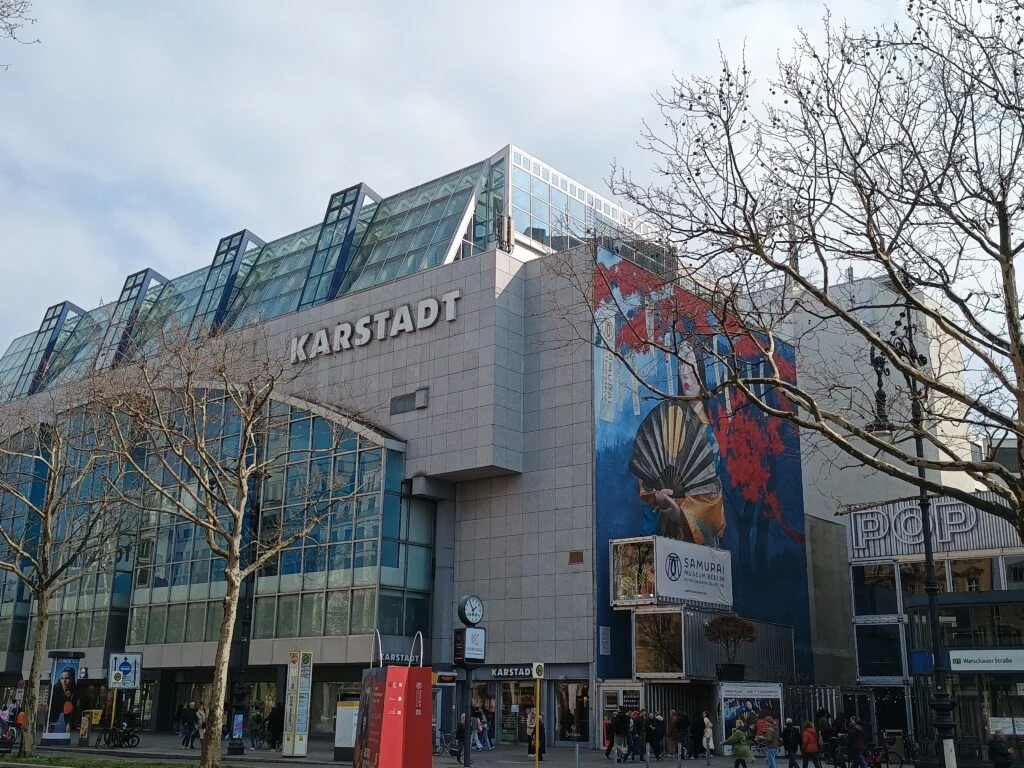
Art Museums · Berlin, Germany. The Samurai Museum Berlin offers a distinctive window into the warrior culture of Japan, an influential and enduring symbol of the country’s history that has fascinated Western audiences for centuries. The samurai, regarded as…
Best forScience, technology, hands-on learning
Review focusExhibits, interpretation, visitor flow
Historical Context
The Samurai Museum Berlin offers a distinctive window into the warrior culture of Japan, an influential and enduring symbol of the country’s history that has fascinated Western audiences for centuries. The samurai, regarded as elite warriors bound by a strict code of honor known as bushido, played a pivotal role in shaping Japanese society from the 12th century until the mid-19th century. This museum aims to illuminate the samurai’s cultural and historical significance by showcasing authentic artifacts and informative displays. Positioned at the crossroads of Berlin’s diverse cultural landscape, it bridges Eastern and Western perspectives by delving into Japan’s medieval era, juxtaposing the solemnity of martial discipline with the aesthetic refinement that accompanied samurai life. As such, it not only appeals to enthusiasts of Japanese history but also attracts visitors interested in understanding how the samurai ethos influenced modern concepts of loyalty, warfare, and art across the globe.
What You See on Arrival
Upon approaching the Samurai Museum Berlin, visitors are initially struck by its unassuming exterior, which reflects a minimalist design that contrasts with the vivid character of the collections housed within. The entrance hints at the themes explored inside, with subtle nods to traditional Japanese design elements that prepare visitors for an immersive cultural experience. The lobby area, modest in size, is arranged to provide immediate orientation, featuring informative panels and clear signage that guide visitors through the museum’s layout. There is a quiet focus on establishing the historical context before engaging with the artifacts, helping to frame the importance of what follows. The atmosphere is deliberately restrained and contemplative, allowing for an uninterrupted introduction to the samurai’s enduring legacy.
Highlights and Key Exhibitions
The core attractions of the Samurai Museum center around the well-curated array of samurai armor, weaponry, and household items that bring the warrior class’s history to life. The armor displays are particularly compelling, showcasing intricate craftsmanship and offering insights into both the functional and ceremonial aspects of samurai life. These suits of armor, often ornamented with elaborate family crests, helmets, and masks, reveal the evolution of martial technology alongside the artistry that made each set distinct. Additionally, the museum presents a fine selection of katana swords, revered for their elegance and lethal precision, with accompanying information regarding their forging process and symbolic significance. Exhibited swords are frequently paired with detailed descriptions or touchscreens elucidating the historical and cultural context. Beyond armaments, visitors can explore displays on samurai clothing, calligraphy, and religious artifacts, which collectively underscore the multifaceted identity of these warriors as both fighters and cultured elites. Although permanent exhibitions dominate the space, thoughtful design ensures that these objects remain accessible and engaging, often featuring multimedia elements to support deeper understanding.
Visitor Experience
The museum’s layout facilitates a logical and immersive progression through the samurai’s heritage, with each section offering enough content to satisfy serious scholars while remaining accessible to general audiences. Informational text is comprehensive and well-translated, presenting technical details alongside engaging storytelling that humanizes the samurai figure. Staff members, known for their expertise and enthusiasm, contribute to an educational atmosphere and are ready to answer questions, enhancing the visitor experience. The museum is comparatively compact, which enables visitors to explore comfortably without feeling overwhelmed, but it does require a focused visit to absorb its offerings fully. The exhibition spaces are designed for contemplative viewing, illuminated to emphasize the finer details of the objects while maintaining a respectful, almost meditative ambiance. Interactive displays and occasional audio guides provide additional layers of engagement, catering to diverse learning preferences. The overall experience is one of quiet respect and fascination, offering visitors a balanced synthesis of historical analysis and aesthetic appreciation.
Tickets, Access, and Planning
The Samurai Museum Berlin employs a straightforward ticketing system, with reasonable admission fees that reflect the quality and uniqueness of its collection. Concessions are typically available for students, seniors, and groups, making it an accessible destination for a broad demographic. The museum’s hours are designed to accommodate both local residents and international tourists, with flexibility for weekends and evenings during certain periods, though prospective visitors are advised to consult the official website for current opening times. Accessibility is a priority, with the museum providing barrier-free entry and facilities suitable for visitors with limited mobility. Public transportation options serve the museum’s location well, with nearby metro and bus stops offering easy access from central Berlin and surrounding areas. Visitors planning a trip may benefit from reserving tickets in advance, particularly during peak tourist seasons, to ensure smooth entry. The museum also offers occasional guided tours, which can significantly enrich the visit by providing expert insights that enhance understanding.
Final Verdict
The Samurai Museum Berlin stands out as an exceptional institution within Germany for those seeking to explore the rich tapestry of Japanese warrior culture. Its carefully assembled collections and thoughtfully curated exhibitions present a deep dive into the material and ideological world of the samurai without overwhelming the visitor. The museum successfully balances scholarly rigor with accessible presentation, maintaining a contemplative environment suited to those genuinely interested in the subject. While the overall size of the museum limits the scope compared to larger ethnographic institutions, the quality and specificity of its holdings more than compensate, offering a focused and insightful experience. This museum is especially recommended for history buffs, enthusiasts of martial arts and weaponry, and those intrigued by cross-cultural exchange. By fostering a greater appreciation for the samurai legacy in a European context, the Samurai Museum Berlin enriches Berlin’s diverse cultural offerings and invites visitors to engage thoughtfully with an iconic, yet complex, symbol of Japan’s past.