Rosala Viking Centre Review
Viking Museums · Dragsfjärd, Finland. The Rosala Viking Centre, situated in Dragsfjärd, Finland, offers a compelling window into the Viking Age, a period that shaped much of Northern Europe from the late 8th to the early 11th century. This…
Viking Museums · Dragsfjärd, Finland. The Rosala Viking Centre, situated in Dragsfjärd, Finland, offers a compelling window into the Viking Age, a period that shaped much of Northern Europe from the late 8th to the early 11th century. This…
Best forMaritime history, ships, harbour heritage
Review focusCollection, setting, visitor experience
Historical Context
The Rosala Viking Centre, situated in Dragsfjärd, Finland, offers a compelling window into the Viking Age, a period that shaped much of Northern Europe from the late 8th to the early 11th century. This region, located in the archipelago of Southwest Finland, was historically a critical hub for maritime trade, cultural exchange, and occasional conflict, allowing the Vikings to establish a significant presence. The centre’s context revolves around uncovering and reconstructing the lifestyle, crafts, and social dynamics of the Viking-era inhabitants through archaeological findings and scholarly research. The nearby excavation sites have yielded essential artifacts that provide insight into the economic, military, and domestic aspects of Viking life in the Baltic Sea region. The Rosala Viking Centre thus serves both as a repository of regional heritage and as a broader cultural reference point for understanding Viking influence across Northern Europe. It diligently marries historical accuracy with accessible interpretation, ensuring that visitors grasp the complex interplay of myth, history, and material culture during the Viking Age in this part of Finland.
What You See on Arrival
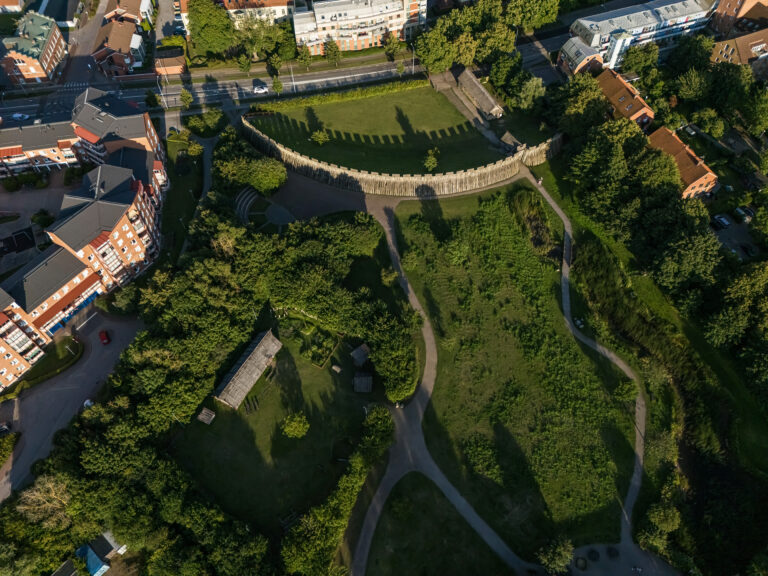
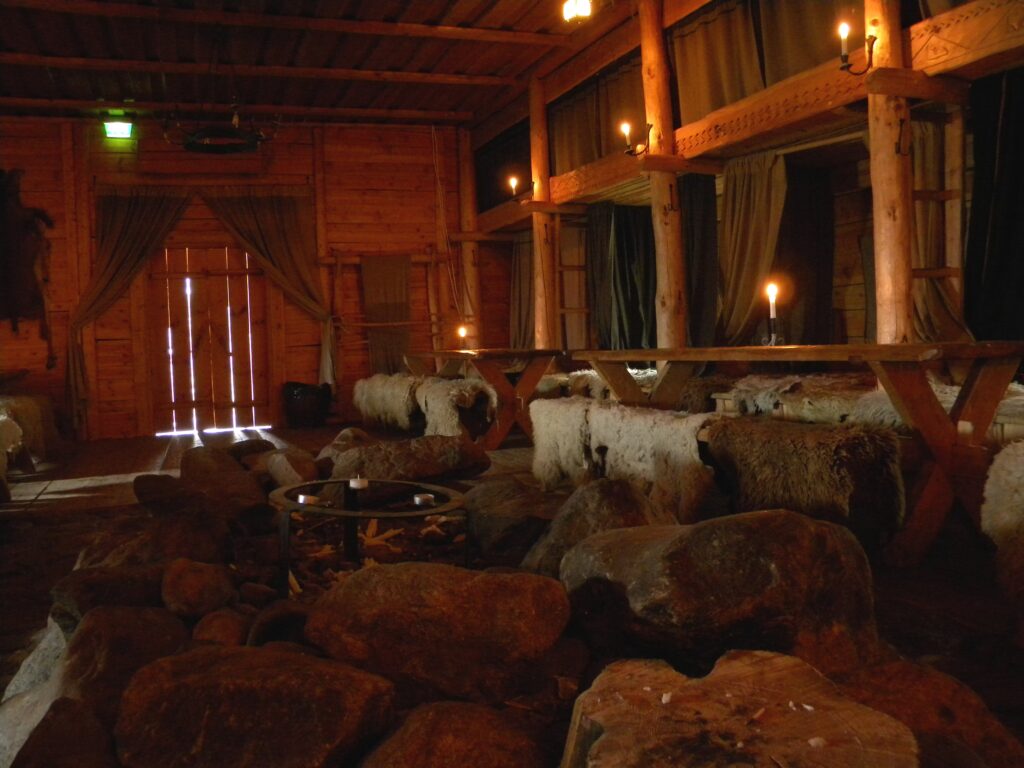
Approaching the Rosala Viking Centre, visitors are greeted by a thoughtfully designed environment that immediately evokes the era it seeks to represent. The centre is located on an island, surrounded by the natural beauty of Finland’s archipelago, with serene waterways and lush green landscapes setting a tranquil yet immersive mood. On arrival, one notices several reconstructed Viking buildings, from longhouses to workshops, which are spaced out across the grounds to simulate a small Viking settlement. These wooden structures are crafted with attention to period-accurate methods and materials, lending authenticity to the experience. A replica of a Viking ship is prominently situated near the shoreline, offering a tangible link to the maritime prowess that defined Viking culture. Signage and interpretive panels are clear and informative, poised to guide visitors through the site’s various features. The visitor centre, which houses the ticket office and a small café, blends modern comfort with rustic aesthetics, setting the tone for a visit that balances education and engagement amid historical surroundings.
Highlights and Key Exhibitions
The Rosala Viking Centre’s core strength lies in its dedication to experiential history, making its exhibitions unique compared to traditional museum displays. Visitors will find a well-curated array of reconstructed buildings but also opportunites to witness live demonstrations of traditional Viking crafts such as blacksmithing, weaving, and boat building. These demonstrations are conducted by knowledgeable interpreters who contribute depth to the narrative by sharing context about Viking daily life, trades, and technologies. The Viking ship replica—one of the centre’s most striking visual attractions—illustrates the engineering ingenuity required for navigation across the Baltic Sea, accompanied by informative material on shipbuilding techniques and Viking expeditions. The exhibition space within the main building supplements this outdoor experience by showcasing artifacts found in local archaeological digs, including tools, weapons, and ornaments. The interpretive displays here are thoughtfully designed with multilingual texts and images, helping to situate these objects within the wider Viking sphere while maintaining a clear focus on local relevance. Although the centre opts for a more interactive and reconstructed approach over extensive traditional museum galleries, it effectively encourages curiosity and facilitates a dynamic form of learning that appeals to a broad audience.
Visitor Experience
The visitor experience at the Rosala Viking Centre is crafted to be both educational and evocative, blending historical fidelity with a touch of storytelling. The layout encourages a leisurely exploration of the settlement, allowing individuals and families ample opportunity to move between different areas at their own pace. Staff and guides play an important role in enriching the visit, often answering questions and demonstrating various Viking-age activities. For those interested in a deeper dive, workshops and themed events are occasionally offered, although these are generally seasonal and should be checked in advance. The centre encourages engagement through hands-on activities where possible, such as trying out traditional Viking games or examining replica garments. The on-site café provides a cosy resting spot that complements the experience without overwhelming it with commercialism, offering refreshments that suit the rural, historical ambiance. The natural environment surrounding the centre enhances the overall impression, creating a sense of time travel that extends beyond the buildings and exhibits themselves. That said, visitors seeking a more artifact-heavy or technology-driven museum experience might find the centre’s focus on reconstruction and living history somewhat limited.
Tickets, Access, and Planning
The Rosala Viking Centre operates on a seasonal schedule, typically opening from late spring through early autumn to take advantage of Finland’s milder weather and longer daylight hours. Prospective visitors should consult the official website for the most accurate information on opening dates and times, as well as details about any planned events or temporary closures. Admission fees are modest and vary depending on age and group size, with family tickets available, making it an affordable outing for tourists and locals alike. The centre is accessible by car and boat; parking is available but can be limited during peak periods. Public transportation options are limited, reflecting the rural and island location, so planning travel arrangements in advance is advisable. For visitors with mobility issues, wheelchair access is partially available, mostly within the visitor centre itself, but the outdoor terrain and reconstructed buildings may present challenges. The centre is family-friendly, with some facilities designed to accommodate young children, though supervision is essential during outdoor exploration. Booking guided tours or educational sessions in advance is recommended, especially for school groups or organized visitors.
Final Verdict
The Rosala Viking Centre offers a nuanced and engaging interpretation of Viking life tailored to its geographic and historical context in Finland’s southwestern archipelago. Its strengths lie in the authentic recreation of a settlement environment and the integration of hands-on activities and craft demonstrations, which together help animate a period often shrouded in myth and stereotype. While it may not satisfy visitors looking for extensive artifact collections or high-tech exhibitions, it excels at inviting visitors to step into the past through immersive experiences that highlight the everyday realities of Viking society. The centre’s setting in a picturesque natural landscape further enhances the atmosphere, making it an appealing destination for families, history enthusiasts, and those interested in Nordic culture. Practical planning considerations around seasonal operations and accessibility should inform a visit, but for those prepared, the Rosala Viking Centre provides a memorable and educational glimpse into Viking heritage that complements more traditional museum offerings in the region.