Pointe-à-Callière Review
Archaeology Museums · Montreal, Canada. Pointe-à-Callière, located in Montreal, Canada, stands as a keystone institution dedicated to preserving and narrating the rich history of one of North America’s oldest cities. Established in 1992, the museum is built on the…
Archaeology Museums · Montreal, Canada. Pointe-à-Callière, located in Montreal, Canada, stands as a keystone institution dedicated to preserving and narrating the rich history of one of North America’s oldest cities. Established in 1992, the museum is built on the…
Best forScience, technology, hands-on learning
Review focusExhibits, interpretation, visitor flow
Historical Context
Pointe-à-Callière, located in Montreal, Canada, stands as a keystone institution dedicated to preserving and narrating the rich history of one of North America’s oldest cities. Established in 1992, the museum is built on the very site where Montreal was founded in 1642, anchoring its storytelling directly to the physical ground of the city’s origins. The museum’s collections and exhibitions explore themes that span from Indigenous peoples and early French settlers to the evolution of Montreal into a vibrant modern metropolis. By incorporating archaeological finds unearthed during the site’s extensive excavations, the museum offers an immersive chronicle of urban development over more than three centuries. This approach not only honors the city’s multicultural roots but also emphasizes continuity and change, framing Montreal’s story within the broader context of Canadian and Indigenous histories. Pointe-à-Callière thus operates as a dynamic cultural and educational space where history is engaged with critically and vividly, bridging past and present in an accessible manner.
What You See on Arrival
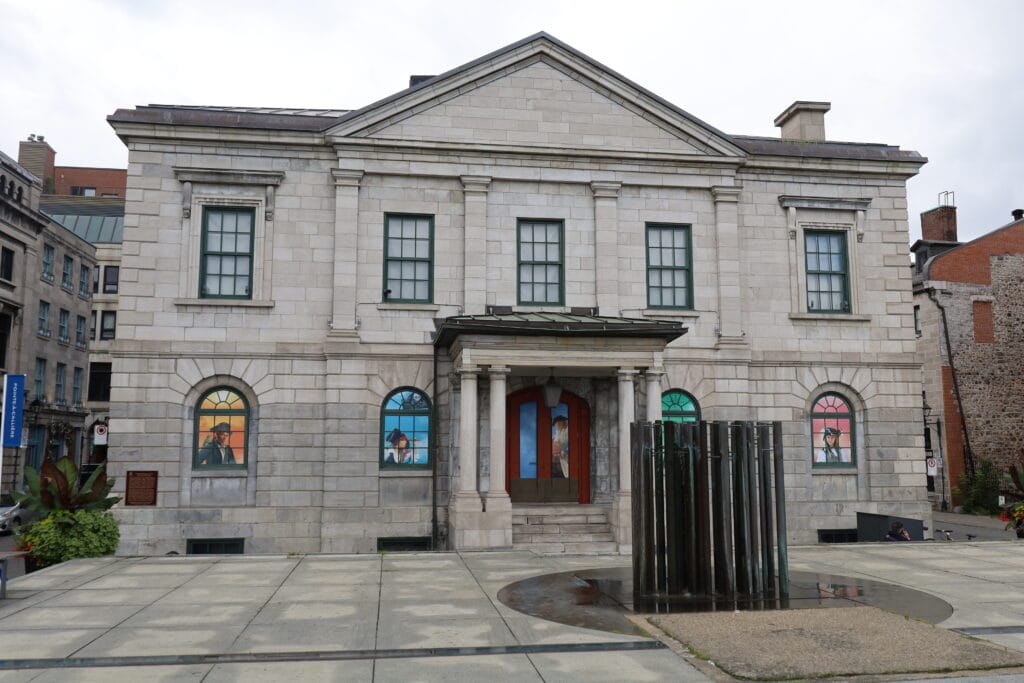
Arriving at Pointe-à-Callière, visitors are greeted by a striking modern building that harmoniously contrasts with the historical essence of the site. The museum’s architecture incorporates glass and steel elements that reveal the archaeological remains below ground, a compelling invitation to delve into the layers of the city’s heritage. Positioned within Montreal’s Old Port area, the museum is surrounded by cobblestone streets and historic landmarks that contribute to the sense of stepping back in time. Outside, strategically placed information panels and sculptures prepare visitors for the historical journey ahead. The entrance leads into a spacious, well-lit foyer where clear signage guides visitors toward ticketing, orientation spaces, and the main exhibition galleries. The visual interplay between contemporary design and exposed ruins immediately emphasizes the museum’s dual focus on preserving the city’s archaeological legacy while showcasing its vitality as a cultural institution.
Highlights and Key Exhibitions
Pointe-à-Callière’s permanent exhibitions provide a comprehensive overview of Montreal’s history through an innovative combination of archaeology, history, and multimedia presentations. One of the museum’s standout features is the archaeological crypt, where visitors can view original foundations and artifacts unearthed during excavations on-site. This space offers a tangible, visceral connection to the city’s 17th-century beginnings. The “Montreal’s Story” exhibition uses immersive displays and interactive technology to trace the city’s development from its founding to modern times, addressing pivotal moments such as colonial conflicts and periods of urban transformation.
Another particularly compelling section focuses on Indigenous history, integrating archaeological evidence with contemporary perspectives to emphasize the longstanding presence and contributions of First Nations peoples. This is done with cultural sensitivity and a strong educational intent, broadening the narrative beyond colonization to include enduring Indigenous cultures.
In addition to historical storytelling, the museum features galleries dedicated to the city’s diverse immigrant communities, celebrating their roles in shaping Montreal’s social fabric. These exhibitions are thoughtfully curated to highlight individual stories as well as collective experiences, enriching visitors’ understanding of the city’s multicultural identity.
Visitor Experience
The design and layout of Pointe-à-Callière facilitate a visitor experience that is both intellectually engaging and accessible. The museum employs a variety of interpretative techniques including audio guides, interactive screens, and well-researched informational panels that cater to different learning styles. The multilingual displays, typically available in French and English, further widen the museum’s reach to international audiences. The balance between technology and artifact display allows for moments of quiet reflection amid more dynamic multimedia sections, creating a thoughtfully paced narrative flow.
Family visitors will appreciate dedicated spaces and activity areas designed to engage younger audiences, making Pointe-à-Callière a welcoming venue for all ages. Staff members are generally attentive and knowledgeable, often providing additional insights that enhance the overall experience. The museum also offers occasional public programming such as lectures and workshops, which deepen engagement beyond the exhibitions themselves.
Tickets, Access, and Planning
Pointe-à-Callière is accessible via public transportation, with convenient metro and bus options servicing the Old Montreal area. For visitors arriving by car, parking may be limited but alternative options are available in the vicinity. The museum is wheelchair-accessible, with elevators and ramps ensuring that most areas are navigable for people with mobility challenges. Services for visitors with hearing or visual impairments, such as tactile exhibits or guided tours in sign language, are in place or can be arranged in advance.
Ticketing options include adult, senior, youth, and family rates, with discounts for students and groups. Online booking is recommended to avoid queues and secure preferred visiting times, particularly during peak tourist seasons. The museum’s opening hours are generally accommodating, but occasional special events or holidays may affect schedules. Visitors are advised to consult the official website for current information before planning their visit.
Final Verdict
Pointe-à-Callière stands out as a museum that successfully melds archaeological significance with vibrant storytelling, making the history of Montreal accessible, multidimensional, and compelling. Its unique location on the founding site of the city adds authenticity and depth to the visitor experience, while its multidisciplinary approach ensures that diverse narratives are incorporated thoughtfully. The museum’s commitment to inclusivity, education, and cultural sensitivity further enhances its standing as a key institution within Canada’s museum landscape.
While the extensive use of multimedia might occasionally feel overwhelming to those preferring traditional exhibits, the variety of presentation methods generally offers something for every visitor. The integration of archaeological remains within the museum’s structure is particularly noteworthy and serves as a constant reminder of the city’s enduring physical and cultural foundations. For anyone interested in Canadian history, urban archaeology, or the interplay between Indigenous and settler histories, Pointe-à-Callière represents a must-see destination that educates as much as it inspires. It is an enriching choice for both local visitors and international tourists seeking to understand the complex layers of Montreal’s past and present.
Official Website: www.pacmusee.qc.ca