Picasso Museum Barcelona Review
Art Museums · Barcelona, Spain. The Picasso Museum Barcelona, located in the vibrant city of Barcelona, Spain, stands as a testament to the profound influence Pablo Picasso had on modern art and his deep connection to the city itself.…
Art Museums · Barcelona, Spain. The Picasso Museum Barcelona, located in the vibrant city of Barcelona, Spain, stands as a testament to the profound influence Pablo Picasso had on modern art and his deep connection to the city itself.…
Best forMasterpieces, architecture, cultural history
Review focusCollection highlights, building, visitor flow
Historical Context
The Picasso Museum Barcelona, located in the vibrant city of Barcelona, Spain, stands as a testament to the profound influence Pablo Picasso had on modern art and his deep connection to the city itself. Established in 1963, the museum was founded with the explicit purpose of showcasing the formative periods of Picasso's artistic journey, highlighting his evolution from a gifted youth to an innovator of Cubism and beyond. The collection notably emphasizes Picasso’s early works, many of which reflect his formative years spent in Barcelona and the surrounding Catalonia region. This local focus provides invaluable insight into the artist’s roots and the socio-cultural environment that shaped his creativity. Housed primarily within five adjoining medieval palaces in Barcelona’s Gothic Quarter, the museum’s setting itself reflects a historical layering that complements the narrative of artistic transformation on display. Over the decades, the Picasso Museum has rightfully earned a reputation as one of the most significant repositories of Picasso’s works worldwide, attracting scholars and art lovers eager to explore the origins of a universally celebrated artist.
What You See on Arrival
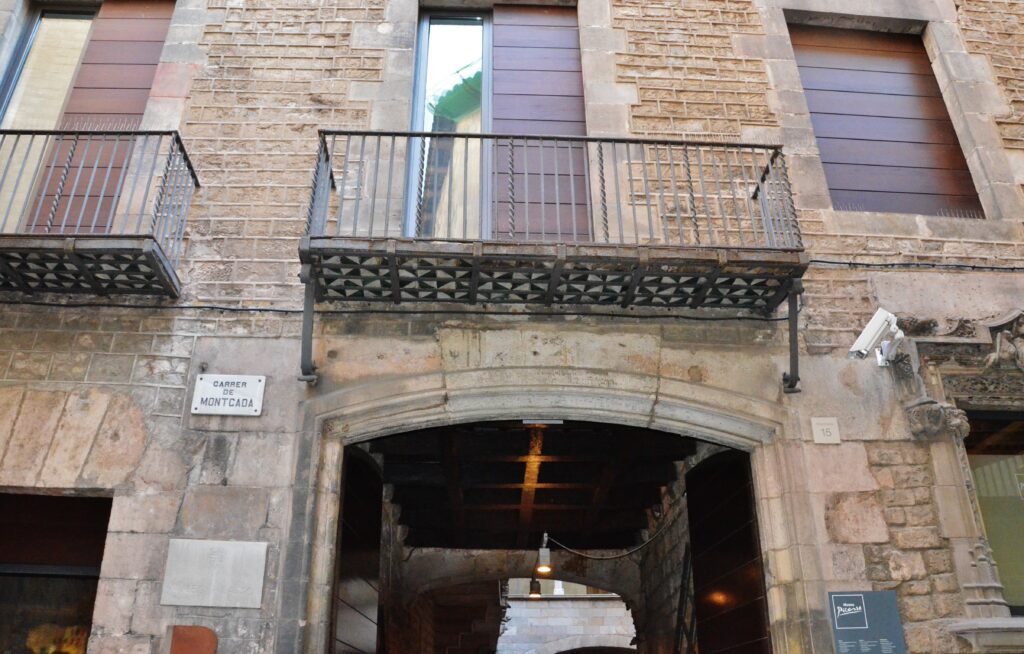
Upon approaching the Picasso Museum Barcelona, visitors are greeted by the striking medieval architecture of the five connected palaces that serve as the museum’s physical home. Located in the narrow labyrinth-like streets of the Gothic Quarter, the museum blends historic architectural features with a modern curatorial approach. The entrance, often framed by centuries-old stone facades and wrought iron details, sets a distinctive tone that immediately signals a journey back in time. Beyond the immediate visual impact of the building itself, the entrance hall leads visitors through a carefully considered reception area where information, tickets, and guides are available. The overall atmosphere is tranquil yet anticipatory, with well-signposted routes gently guiding visitors toward the galleries. The initial impression emphasizes preservation and respect for history, fitting for a museum dedicated not only to Picasso’s art but also to his origins within this city. While the external setting is cultural and historic, subtle contemporary design cues assist in orienting visitors toward the collections housed within.
Highlights and Key Exhibitions
The heart of the Picasso Museum lies predominantly in its extensive and comprehensive collection of the artist’s early work. The permanent collection traces Picasso’s development from his childhood drawings and paintings through to his Blue and Rose periods. These galleries offer a rare opportunity to observe the artist’s early technical mastery and evolving thematic interests. Many pieces are deeply personal, including portraits of friends and family, intimate studies, and experimental ventures that hint at Picasso’s later revolutionary styles. A standout aspect of the collection is the attention paid to Picasso’s fascination with classical Spanish iconography, particularly bullfighting and religious motifs, which provide a contextual lens on his cultural heritage.
One of the most compelling sections is dedicated to Picasso’s Blue Period, where the somber tones and poignant subjects reflect his emotional intensity and the social realities of the time. The museum also includes notable examples from his Rose Period, showcasing a lighter, more whimsical palette and themes more centered around circus life and youth. Works from these phases are complemented by smaller, less familiar sketches and ceramics that enhance the understanding of Picasso as a multifaceted artist.
Crucially, the museum’s curatorial approach stresses the chronological presentation of pieces, allowing visitors to perceive Picasso’s gradual artistic development rather than focusing solely on his more famous later works. This allows a fresh appreciation for the technical skill and emotional depth that underpin his early output. While the museum does not concentrate heavily on Picasso’s Cubist or later periods, the depth and quality of its early pieces offer a compelling narrative that remains essential to understanding the artist’s creative mind.
Visitor Experience
Visitors to the Picasso Museum Barcelona can expect a measured and reflective experience, largely influenced by the intimate scale of the museum and the focused nature of the collection. The flow of the galleries is logical and welcoming, encouraging a thoughtful pace that suits the detailed study of individual pieces. Lighting is generally well managed, emphasizing the tonal qualities of Picasso’s early paintings and drawings while preserving delicate works with appropriate care.
For those interested in deeper engagement, descriptive panels are thoughtfully written, providing historical context, artistic analysis, and biographical information without overwhelming the visitor. Multilingual descriptions accommodate a diverse international audience, reflecting Barcelona’s status as a global cultural hub. Audio guides and digital resources are available, expanding access and encouraging more immersive exploration for interested guests.
The museum’s layout, spread across several old buildings, involves some movement between floors and spaces, which adds an element of discovery as each room reveals a new phase of Picasso’s early output. The quiet courtyards scattered throughout the palaces offer pleasant pauses for contemplation, enhancing the overall visitor experience. On the downside, the relatively constrained dimensions of the buildings can lead to congestion during peak tourist seasons, which may detract slightly from the reflective atmosphere the museum generally maintains.
Tickets, Access, and Planning
Planning a visit to the Picasso Museum benefits from some forethought, particularly during Barcelona’s busy tourist periods when demand is high. Tickets are available online through the official museum website, facilitating smoother entry and reducing waiting times. Advance booking is recommended to secure preferred times and avoid long queues, especially for those visiting on weekends or during school holidays.
Admission prices fall within a moderate range, making the museum accessible to a broad audience while supporting its operational needs. Reduced-price tickets are offered for students, seniors, and residents of Barcelona, aiding inclusivity. Entry is free on certain days each month, a gesture that encourages wider community engagement with Picasso’s legacy.
Accessibility provisions are in place, with lifts and ramps accommodating visitors with mobility challenges, although the historical buildings impose some limitations that the museum manages as effectively as possible without compromising preservation standards. Visitor facilities include a modest café and a gift shop featuring thoughtfully curated merchandise inspired by Picasso’s work and the museum’s collection.
Location-wise, the museum is well served by public transportation, situated a short walk from major metro stops and central Barcelona landmarks. Its positioning in the Gothic Quarter adds further appeal, making it an ideal cultural stop within a broader exploration of the city’s rich historical district.
Final Verdict
The Picasso Museum Barcelona serves as an essential destination for anyone interested in the roots and early development of one of the 20th century’s most influential artists. By focusing on Picasso’s formative years, the museum offers an insightful narrative that complements the more familiar stories told by larger institutions with broader collections of his later work. The historic setting in the heart of Barcelona’s Gothic Quarter enriches the visit by grounding the artist’s story within the city that shaped him.
While the museum’s scope is specialized and does not comprehensively cover Picasso’s complete oeuvre, this focused approach is its strength, enabling a detailed and nuanced appreciation of his beginnings rather than diluting the experience with overwhelming breadth. The layout and presentation encourage thoughtful engagement, though visitors should be mindful of potential crowding during peak times. Practical considerations such as ticketing, accessibility, and location are well handled, making the museum an accessible and worthwhile stop.
In sum, the Picasso Museum Barcelona delivers a well-curated, deeply contextualized experience that not only celebrates Picasso’s prodigious talent but also situates it firmly within the cultural tapestry of Barcelona and Spain. It stands as a compelling reminder of the enduring power of artistic legacy when illuminated through a city’s heritage and history.