Picasso Museum Barcelona
Art Museums · Barcelona, Spain. The Picasso Museum Barcelona is an art museum dedicated to the life and work of Pablo Picasso, one of the most influential artists of the 20th century. Located in the vibrant cultural heart of…
Best forMasterpieces, architecture, cultural history
Setting / nearbyBarcelona, Spain
Overview
The Picasso Museum Barcelona is an art museum dedicated to the life and work of Pablo Picasso, one of the most influential artists of the 20th century. Located in the vibrant cultural heart of Barcelona, Spain, this museum offers a comprehensive glimpse into Picasso’s formative years and artistic evolution. Unlike galleries that focus solely on the artist’s mature works, this museum places particular emphasis on his early development, showcasing a fascinating narrative of his growth and experimentation. With its carefully curated collection, the museum stands as a crucial destination for admirers of modern art, as well as those interested in understanding the historical context that shaped Picasso’s creative genius.
Collection Highlights
The museum’s collection is both extensive and intimate, featuring over 4,000 pieces spanning Picasso’s youth through his early adulthood. Visitors will find a striking array of drawings, paintings, sculptures, ceramics, and prints that reveal the progression of Picasso’s distinct styles and artistic phases. Notably, the collection includes many works from Picasso’s Blue and Rose periods, which are often regarded as foundational moments in his career. These pieces portray a deep emotional sensitivity and are characterized by their distinctive use of color and form.
Another highlight is the Picasso Museum’s emphasis on the artist’s relationship with Barcelona itself. The city played a pivotal role in his early artistic training and social network. Numerous early portraits and studies of friends and family provide rich insight into his influences and personal connections during these years. There are also thematic exhibitions on offer throughout the year, which often cast light on specific periods, artistic techniques, or personal themes in Picasso’s oeuvre.
One of the most notable parts of the collection includes the series of paintings inspired by the story of “Las Meninas,” where Picasso reinterprets Diego Velázquez’s masterpiece with his signature modernist approach. These works are frequently praised for demonstrating Picasso’s intellectual engagement with art history and his innovative reinterpretation of classical themes.
Building and Setting
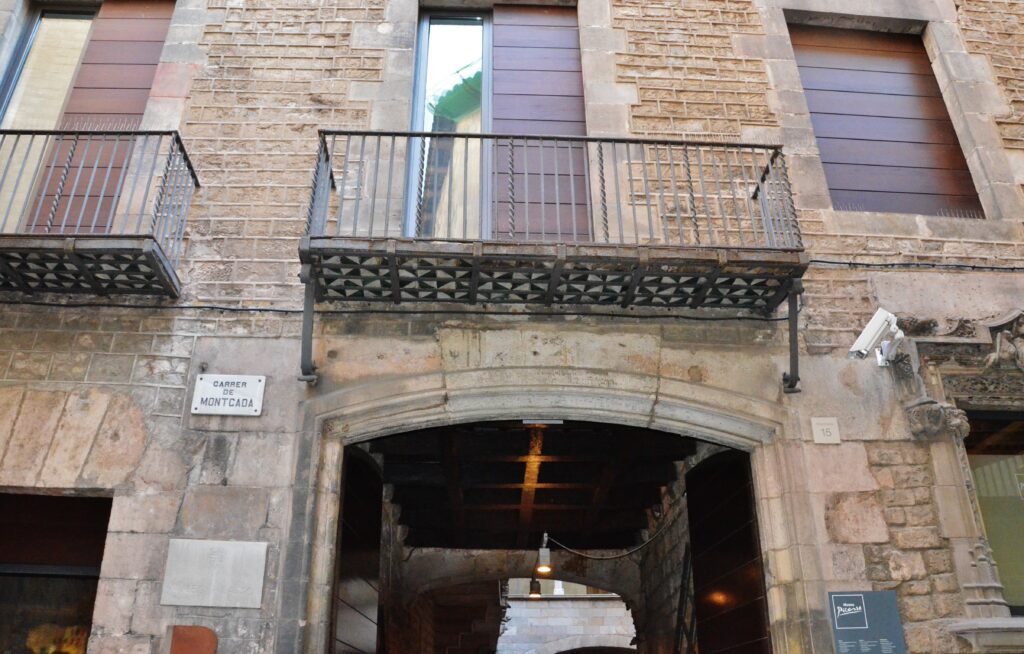
The museum is housed in five contiguous medieval palaces located in the La Ribera district of Barcelona. These historic buildings are an attraction in their own right, with their Gothic architecture providing an atmospheric backdrop for the exhibitions. The palaces, with their stone courtyards, vaulted ceilings, and narrow staircases, create an intimate environment that fosters a closer connection between visitors and the artworks.
The blend of historic architecture with contemporary museum design contributes to the overall visitor experience, making the presentation of Picasso’s early works even more evocative. The layout invites a chronological journey, allowing guests to witness the artist’s evolution in a manner that feels both organic and immersive. Additionally, the museum is situated in a lively neighborhood, close to other cultural landmarks, vibrant cafes, and shops, making it a pleasant area for exploration before or after the visit.
Practical Information
The Picasso Museum Barcelona operates as a dedicated art museum with a focus on the artist’s legacy and early art forms. Opening hours and ticket prices may vary depending on the season or any special events and exhibitions. Visitors are encouraged to check the official website or reliable local sources before planning their visit to confirm current opening times, ticketing options, and any necessary reservations or guidelines. The museum offers several ticket categories, including discounts for students, seniors, and residents, and there may be free entry days or times.
The museum is accessible by public transportation, with nearby metro stations and bus stops serving the area. For those who prefer to drive, parking can be challenging due to the historic district’s narrow streets, so alternative transport is advisable. Facilities for visitors with reduced mobility are generally available, although specific details should be checked in advance.
Audio guides and guided tours may be available in multiple languages, providing additional context and interpretation to enrich the visit. The museum shop offers a range of art books, reproductions, and souvenirs connected to Picasso’s world.
Why Visit
The Picasso Museum Barcelona offers a unique window into the formative years of one of the most celebrated artists in history. This art museum provides a nuanced and detailed exploration of Picasso’s beginnings, highlighting the influences and developments that shaped his groundbreaking career. Its carefully assembled collection captures the emotional intensity and technical mastery that define his early work, allowing visitors to appreciate the artist beyond his most famous images.
Moreover, the setting within historic medieval palaces enriches the experience, connecting art with the cultural and architectural heritage of Barcelona. This makes the museum a compelling destination not only for art enthusiasts but also for those interested in the city’s history and atmosphere.
For anyone curious about modern art, artistic innovation, or the biography of Pablo Picasso, the museum serves as an essential stop. It offers more than just a viewing experience—it invites reflection and engagement with the story of creativity and tradition. Whether visiting as a solo traveler, as part of a cultural itinerary, or with family, the museum delivers both inspiration and education in an intimate and memorable setting.