Hong Kong Palace Museum Review
Palace Museums · Hong Kong, Hong Kong. The Hong Kong Palace Museum stands as a bold cultural symbol in one of Asia’s most vibrant cities. Conceived as a sister institution to the venerable Palace Museum in Beijing’s Forbidden City, it embodies…
Palace Museums · Hong Kong, Hong Kong. The Hong Kong Palace Museum stands as a bold cultural symbol in one of Asia’s most vibrant cities. Conceived as a sister institution to the venerable Palace Museum in Beijing’s Forbidden City, it embodies…
Best forArchitecture, royal history, heritage
Review focusArchitecture, history, visitor experience
Historical Context
The Hong Kong Palace Museum stands as a bold cultural symbol in one of Asia’s most vibrant cities. Conceived as a sister institution to the venerable Palace Museum in Beijing’s Forbidden City, it embodies a commitment to sharing Chinese imperial art and history through a new regional lens. Opened in 2022, the museum reflects Hong Kong’s unique position at the crossroads of East and West, merging traditional Chinese heritage with contemporary cultural aspirations. Its establishment followed intense public and governmental dialogues about heritage conservation and identity in a city deeply influenced by both British colonial history and its Chinese roots. The museum seeks not only to showcase treasures from the vast Chinese art collections but also to present them in a way that resonates with local and international audiences. As a cultural bridge, it underscores Hong Kong’s evolving role in global art discourse. This institution, located in the West Kowloon Cultural District, contributes significantly to the area’s growing reputation as a premier arts and cultural hub in Asia.
What You See on Arrival
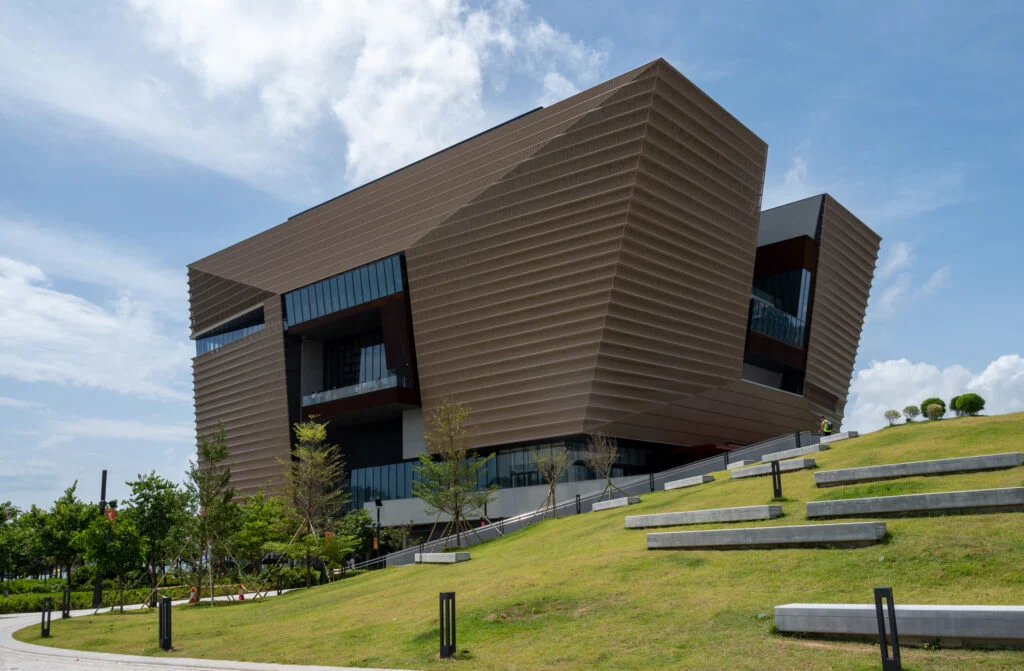
Approaching the Hong Kong Palace Museum, visitors are immediately struck by the architectural statement it makes. The design impresses with its harmonious blend of modernity and traditional Chinese motifs, featuring a multi-layered rooftop that evokes the layered eaves typical of classical Chinese palaces. The museum’s exterior is clad in white ceramic tiles, reflecting light with a subtle elegance that changes throughout the day, while understated landscaping around the building introduces greenery that complements the urban surroundings. As part of the West Kowloon Cultural District, the museum enjoys stunning views of Victoria Harbour and the city skyline, providing a photogenic setting that enriches the arrival experience. The spacious forecourt leads visitors toward clearly marked entrances, balanced by an open plaza that functions as both a gathering space and a visual prelude to the cultural treasures inside.
Highlights and Key Exhibitions
Central to the Hong Kong Palace Museum’s mission is its display of a wide array of imperial Chinese artifacts, spanning thousands of years of history. The collections are thoughtfully curated, spanning ceramics, paintings, jade carvings, calligraphy, textiles, and other exquisite art forms, many loaned from the National Palace Museum in Taipei and the Palace Museum in Beijing. Highlights include rare Ming and Qing dynasty porcelains with intricate detailing, delicate scroll paintings featuring landscapes and historical narratives, and meticulously preserved robes and textiles that reveal the artistry and symbolism of Chinese dynasties. The museum’s exhibitions are arranged thematically and chronologically, guiding visitors through the evolution of Chinese culture in a manner that is both informative and visually engaging. Interactive multimedia displays and multilingual labels enhance understanding, making complex histories accessible without sacrificing depth. While the permanent collection anchors the experience, the museum also dedicates spaces for special exhibitions, educational programming, and collaborations with local artists which further enrich its cultural dialogue.
Visitor Experience
The Hong Kong Palace Museum is designed with visitor comfort and engagement in mind. Galleries are spacious, well-lit, and climate-controlled, ensuring an enjoyable viewing environment. The layout balances a logical flow with opportunities to pause and reflect, and comfortable seating areas are thoughtfully placed throughout. Signage is clear and available in multiple languages, catering to the museum’s diverse visitorship. Digital guides and app-based tours are available, offering supplementary context and interactive features that enrich the visit without disrupting the contemplative atmosphere. Staff members are generally knowledgeable and approachable, contributing to a welcoming environment for both novices and seasoned cultural enthusiasts. The museum also offers family-friendly activities and educational workshops, making it a destination suitable for a broad demographic. However, some visitors may find the scale of the permanent collection somewhat limited compared to larger institutions, with a stronger emphasis placed on depth rather than breadth. This focus will appeal largely to those interested in Chinese art and history specifically.
Tickets, Access, and Planning
Access to the Hong Kong Palace Museum is notably convenient, thanks to its prime location within the West Kowloon Cultural District. The area is well-served by public transport options including the MTR, buses, and taxis, with clear signage directing visitors to the museum entrances. Parking facilities are available but limited, encouraging the use of public transit. The museum operates on a timed-ticket system to manage capacity, particularly on weekends and public holidays, so advance booking via its official website or ticket partners is highly recommended. Ticket prices are moderate, with concessions for seniors, students, and children, and free admission days are occasionally offered to encourage community engagement. Facilities such as elevators, ramps, and accessible restrooms support visitors with disabilities, and family services including stroller rentals enhance convenience. It is advisable to allocate at least two to three hours to fully appreciate the exhibitions, with additional time beneficial for workshops or guided tours. On-site amenities include a café and gift shop, both offering themed merchandise and refreshments that complement the museum experience.
Final Verdict
The Hong Kong Palace Museum marks a significant cultural milestone for Hong Kong and the wider region. It successfully channels the grandeur and cultural wealth of Chinese imperial history into a modern, accessible context, enriching the city’s cultural landscape. The museum excels in presenting a focused, rich collection with an educational commitment that is evident throughout. Its architectural design, blending heritage motifs with contemporary aesthetics, enhances the visitor journey and situates the museum as a new landmark in Hong Kong’s arts scene. While the scope may feel somewhat specialized for casual visitors seeking a broader cultural overview, those with an interest in Chinese art, history, or museum design will find much to admire. The museum’s integration within the West Kowloon Cultural District guarantees a vibrant setting with other artistic and cultural attractions nearby, supporting a full day of exploration. As a dynamic institution, the Hong Kong Palace Museum invites ongoing engagement and promises to evolve as it deepens its ties with local communities and international partners alike.