Museum Rietberg Review
Zurich, Switzerland. Museum Rietberg in Zurich, Switzerland, occupies a distinct niche in the museum landscape as the city’s primary institution dedicated to non-European art. Founded in 1952 as Europe’s first museum focused entirely on the art…
Zurich, Switzerland. Museum Rietberg in Zurich, Switzerland, occupies a distinct niche in the museum landscape as the city’s primary institution dedicated to non-European art. Founded in 1952 as Europe’s first museum focused entirely on the art…
Best forMuseum lovers, culture travelers, first-time visitors
Review focusCollections, visitor experience, and practical planning
Historical Context
Museum Rietberg in Zurich, Switzerland, occupies a distinct niche in the museum landscape as the city’s primary institution dedicated to non-European art. Founded in 1952 as Europe’s first museum focused entirely on the art and cultures of Africa, Asia, and the Americas, it evolved from the private collection of Baron Eduard von der Heydt. His vision was to create a space where objects from diverse, often underrepresented cultures could be studied and appreciated within a European context. This approach was innovative at the time and anticipated later shifts in museology toward a broadened global perspective.
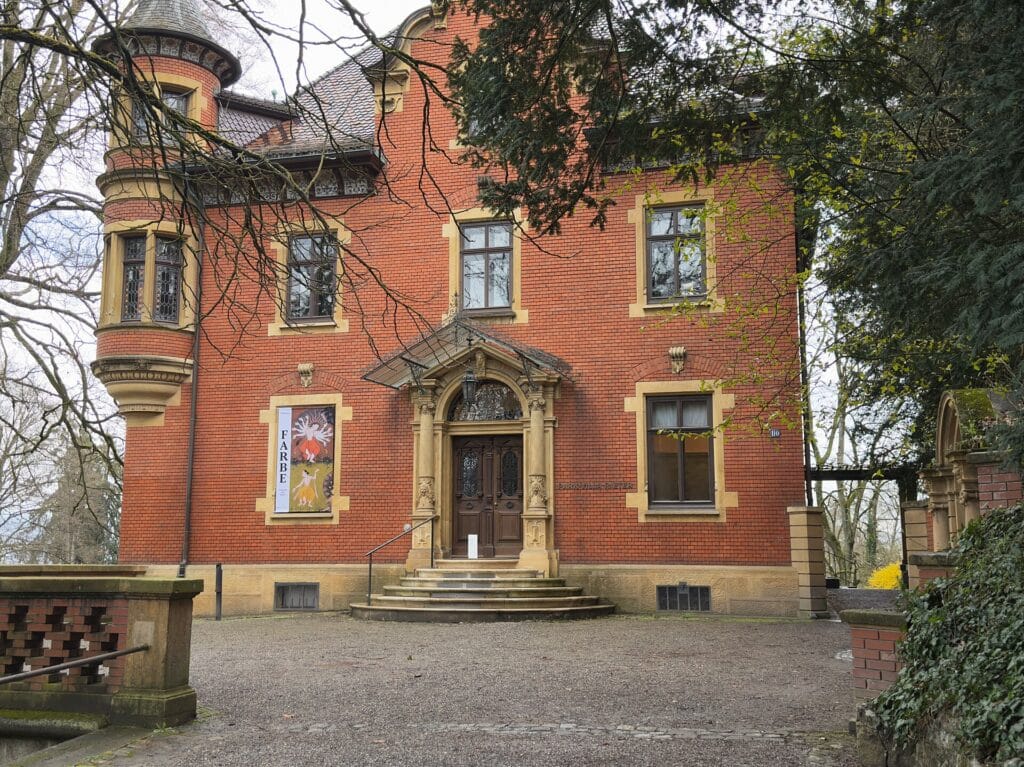
The museum’s buildings include the historic Villa Wesendonck and several adjoining structures, blending 19th-century Swiss architecture with modern additions. This physical setting underlines the museum’s hybrid nature: a European institution housing a global collection. Over decades, Museum Rietberg expanded its holdings, focusing on both historic artifacts and art objects. It has deliberately taken a relatively specialized position, emphasizing quality and cultural depth over sheer quantity. The museum’s mission reflects an ongoing commitment to cross-cultural dialogue and scholarship. It also raises important questions around representation outside of Western art canons—a conversation relevant to contemporary museum practice worldwide.
What You See on Arrival
Approaching Museum Rietberg, visitors find themselves in a leafy area just outside Zurich’s center, where the institution’s presence is somewhat reserved visually. The main entrance in the Villa Wesendonck doesn’t dominate its park-like surroundings; rather, it introduces visitors to a refined, quiet atmosphere befitting an interpretive space devoted to contemplation and cultural narratives.
The complex includes several buildings linked by courtyards and garden spaces. This layout sets the tone for an experience that mixes indoor and outdoor conditions, encouraging momentary pauses between galleries. Unlike grandiose museums designed for overwhelming crowds, the Rietberg offers a calm, measured introduction to its collections. This framing primes visitors to engage with artifacts as carriers of stories and meanings from beyond Europe rather than as trophy objects.
The entrance area presents clear signage in multiple languages and modest museum branding, lending an air of scholarly seriousness rather than commercial flair. Visitors might notice early on the museum’s deliberate focus on cultural difference through the presence of non-Western forms of art displayed in a domestic architectural setting typical of Zurich’s elite past. This framing underscores the museum’s dual identity as both a European institution and a platform for global artistic traditions.
Highlights and Key Exhibitions
The heart of Museum Rietberg’s appeal lies in its extensive and richly varied collections. These encompass objects from ancient to modern times across four major regions: Africa, Asia, the Americas, and Oceania. The collections include sculpture, ceramics, textiles, metalwork, ritual objects, and jewelry, offering broad opportunities to explore different materials and cultural practices.
Asian art represents a substantial part of the museum’s holdings, with particular strengths in Indian and Southeast Asian sculpture and painting. Visitors can encounter devotional statues from Hindu and Buddhist traditions, often carved in stone or bronze, which demonstrate technical skill and religious significance. Chinese and Japanese ceramics provide another window into Asia’s artistic richness, showing glazing techniques and forms that have influenced global ceramics.
The African collection offers characteristically vibrant and symbolic art objects, such as masks and ritual implements. These are often displayed with contextual information about their ceremonial roles, although some interpretive challenges remain in fully conveying the spiritual dimensions to a predominantly Western audience. Still, the museum’s curatorial approach of involving community experts where possible helps mediate respectful representation.
Artifacts from the Americas focus on pre-Columbian and indigenous groups, including ceramics, textiles, and gold work. The museum’s holdings here illustrate a variety of cultural expressions, ranging from the Inca and Maya to the Northwest Coast peoples. The attention to materials and craftsmanship extends to the Oceania and Melanesian collections, where carved wooden figures and decorated objects provide insight into societies often marginalized in European art history.
While the permanent exhibits emphasize traditional and historic art forms, the museum’s approach allows space for recognizing the ongoing vitality of these cultures. It offers a chance to reflect on cross-cultural influences and the global circulation of art objects, though it generally avoids the large-scale contemporary global art that might compete with its mission of historical grounding.
Visitor Experience
Museum Rietberg will best suit visitors with an interest in art history, anthropology, and cultural studies. Its collections require a degree of patience and attention to detail because much of the material invites close looking and deep engagement rather than immediate spectacle. The museum’s relatively intimate scale and fragmentary approach mean it can feel like a focused research environment rather than a themed entertainment venue.
Interpretation is typically clear and informative, offering textual panels that explain provenance, function, stylistic elements, and cultural background. However, the museum’s handling of complex histories—especially concerning colonial-era collecting—could at times be more explicit. While it acknowledges provenance and cultural sensitivity, the interpretive framework tends toward cautious scholarly language rather than critical confrontation. This may leave visitors wanting fuller contextualization of difficult aspects related to cultural appropriation and repatriation debates.
The flow between galleries is logical but not necessarily linear, encouraging visitors to pick and choose areas of emphasis. This suits repeat visits or focused exploration but may be slightly confusing to first-timers hoping for a straightforward chronological or geographic narrative. Additionally, the low visitor capacity and tranquil setting make Museum Rietberg effective for quiet reflection but potentially less engaging for visitors looking for interactive or highly multimedia-enhanced displays.
Visitor engagement tools such as audio guides or digital apps are present but not heavily promoted, emphasizing a low-tech, contemplative visit that prioritizes personal interaction with objects and written interpretation. Family or casual tourists may find some sections less accessible, particularly if seeking broader didactic modes of learning or hands-on experiences.
Tickets, Access, and Planning
Prospective visitors should consult the official Museum Rietberg website for the latest information on opening hours, ticket options, and any accessibility features. Admission policies and visitor services can change, as with all public institutions. The museum’s location in Zurich offers good public transport connections, but visitors will want to plan their route in advance to avoid scheduling pressure.
Given the museum’s design and size, large groups may feel crowded during peak times despite the overall modest footfall. Solo visitors or small parties will find the environment more conducive to focused study. The museum’s layout includes several levels and historic buildings, which may affect accessibility for visitors with mobility challenges. Confirming accessibility details beforehand is advisable.
Final Verdict
Museum Rietberg occupies an important position in Zurich’s cultural scene by dedicating itself to non-European art in a thoughtful, restrained manner. Its collections offer valuable perspectives on artistic and cultural diversity that are underrepresented in many European museum contexts. The museum’s strengths lie in the quality and depth of its holdings, particularly Asian and African art, and its balanced scholarly presentation.
At the same time, the museum’s relatively subdued presentation and academic tone mean it may not satisfy visitors seeking high-energy or highly interpretive experiences. Its cautious engagement with contentious issues related to provenance and cultural representation may strike some as limited, given growing expectations for museums to address colonial legacies transparently.
Nevertheless, for those interested in historical art forms from outside Europe and prepared for a contemplative, quiet visit, Museum Rietberg offers substantial rewards. It stands as a deliberate, if somewhat reserved, space for encountering diverse cultural heritage in Zurich. Visitors should temper expectations about scale and entertainment value and use the museum’s resources to deepen understanding of global art traditions at an accessible yet serious pace. Checking official channels ahead of time is essential for up-to-date practical arrangements.