Palazzo Grassi Review
Art Museums · Venice, Italy. Palazzo Grassi is a striking example of Venetian neoclassical architecture, located on the Grand Canal in Venice, Italy. Originally constructed in the 18th century, the palazzo was designed by architect Giorgio Massari and commissioned…
Art Museums · Venice, Italy. Palazzo Grassi is a striking example of Venetian neoclassical architecture, located on the Grand Canal in Venice, Italy. Originally constructed in the 18th century, the palazzo was designed by architect Giorgio Massari and commissioned…
Best forMuseum lovers, culture travelers, first-time visitors
Review focusCollections, visitor experience, and practical planning
Historical Context
Palazzo Grassi is a striking example of Venetian neoclassical architecture, located on the Grand Canal in Venice, Italy. Originally constructed in the 18th century, the palazzo was designed by architect Giorgio Massari and commissioned by the Grassi family, a prosperous Venetian lineage. Its classical facade and elegant proportions make it one of the more architecturally formal palazzi facing the canal. Over the centuries, the building has undergone a number of transformations, both in ownership and usage, eventually becoming a significant venue for contemporary art exhibitions. In the early 2000s, it was reopened as a public museum following extensive refurbishment, aligning its historical grandeur with a modern role as a cultural institution focusing on contemporary visual art.
Palazzo Grassi forms part of the larger Fondazione François Pinault’s cultural holdings, linking with other exhibition spaces such as Punta della Dogana, another historic site repurposed for art. The foundation’s influence has been pivotal in shaping the museum’s programming and positioning on the Venetian and international art scenes. This connection situates Palazzo Grassi within a network of cultural venues that contribute to Venice’s appeal beyond its historical and tourist origins, emphasizing contemporary creativity within a historic urban fabric. Its re-interpretation from a private residence to a public exhibition space reflects broader trends in Venice’s use of historic buildings as platforms for modern cultural engagement.
What You See on Arrival
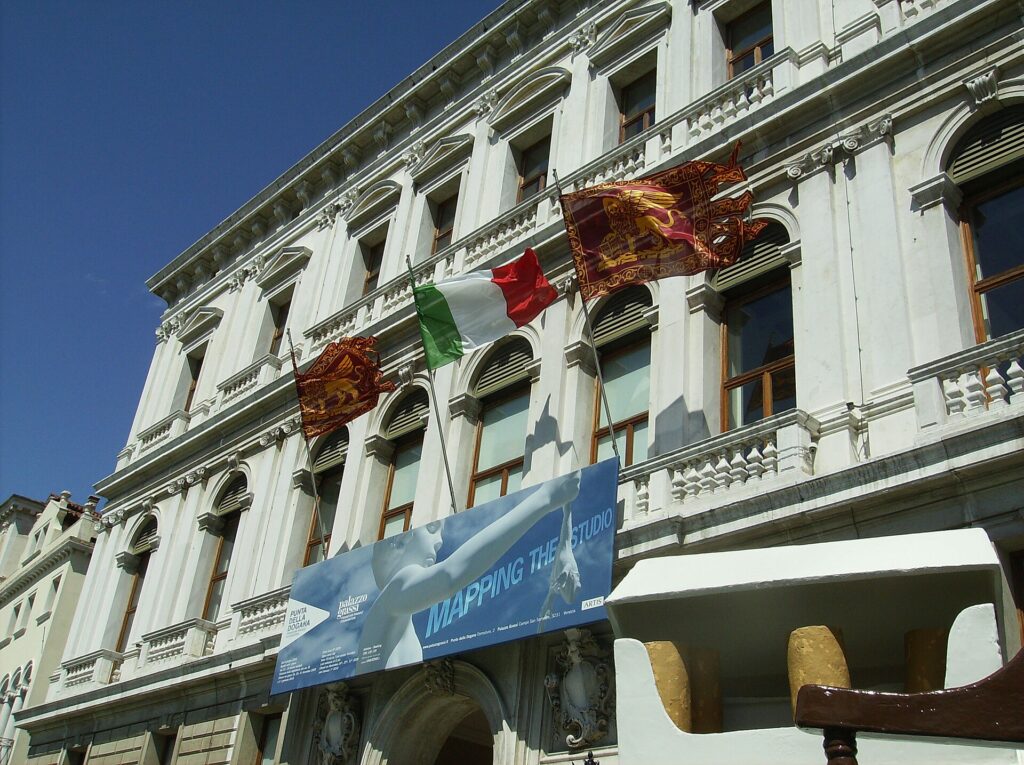
Approaching Palazzo Grassi is to encounter a stately building whose façade presents a neat contrast to Venice’s mixture of gothic and baroque forms. The building’s neoclassical style stands out due to its balance, clean lines, and restrained decoration, giving a distinctly formal and solemn appearance. Situated directly on the Grand Canal, the museum’s location ensures it is visible from various points along the waterway, including vaporetto stops, making its presence known without aggressive signage or promotional clutter.
Upon arrival, visitors are likely greeted by an entrance that emphasizes simplicity and elegance, consistent with the building’s original architectural intent. The museum’s identity centers firmly on its commitment to contemporary art within a historic shell, creating a dialogue between past and present. The blend of old architectural forms and new exhibition content instills a particular atmosphere—a quiet formality combined with the dynamism of fresh artistic production. The entrance does not overwhelm with spectacle but rather invites measured preparation for an exhibition experience set within a space of refined proportions.
Visitors encountering Palazzo Grassi might note the contrast with other nearby Venetian museums housed in more obviously ornate or conventionally “decorative” structures. Here, the space itself becomes a tacit partner to the artworks, rather than a competing spectacle. The setting signals a different pace and focus, preparing visitors for contemporary art’s particular demands in a site laden with history, yet repurposed for present-day visual culture.
Highlights and Key Exhibitions
The core of Palazzo Grassi’s attraction lies in its commitment to contemporary art, driven largely by the vision and collection of Fondation François Pinault. The museum presents a rotating program of exhibitions drawn from both the foundation’s holdings and loans from a variety of international artists and collectors. Unlike institutions dedicated to historical or classical collections, Palazzo Grassi selects work that engages with current artistic production, ranging across mediums such as painting, sculpture, installation, video, and new media.
A key element of the museum’s programming is the exhibition of major solo and group shows that often reflect significant trends in contemporary art. Due to its scale and flexible exhibition spaces, Palazzo Grassi is well-suited to large installations and ambitious conceptual projects that require room for exploration beyond framed works on walls. The palazzo’s interior, with its high ceilings and classical volumes, offers an unusual platform that can influence how contemporary artworks are experienced — whether through confrontation or complementarity.
Over the years, the museum has emphasized the presentation of internationally recognized artists who are shaping current cultural discourse. There is no permanent collection displayed in a traditional museum sense; instead, the museum operates more as a temporary exhibition space where the focus is on present-day artistic expression rather than historical narrative or regional art history. This approach fits with Venice’s wider profile as a site for contemporary art biennales and exhibitions.
Painting, sculpture, and multimedia installations by pivotal figures in the contemporary art world have found display here, fostering a dialogue between the artistic present and the historical palazzo environment. In this respect, the exhibitions can challenge visitors to reconsider the spatial and historical context of the art, and vice versa. The curatorial focus leans toward conceptual rigor and innovation, offering a window on the evolving practices shaping today’s global art scene.
Visitor Experience
Palazzo Grassi typically appeals to an audience interested in contemporary art and architecture, including art professionals, students, and informed tourists curious about modern culture in Venice. The museum experience, given its focus, expects visitors to engage reflectively with works that may be abstract, conceptual, or challenging rather than purely decorative or didactic. This intellectual and sensory engagement can be rewarding but may not suit those seeking straightforward historical storytelling or familiar artistic styles.
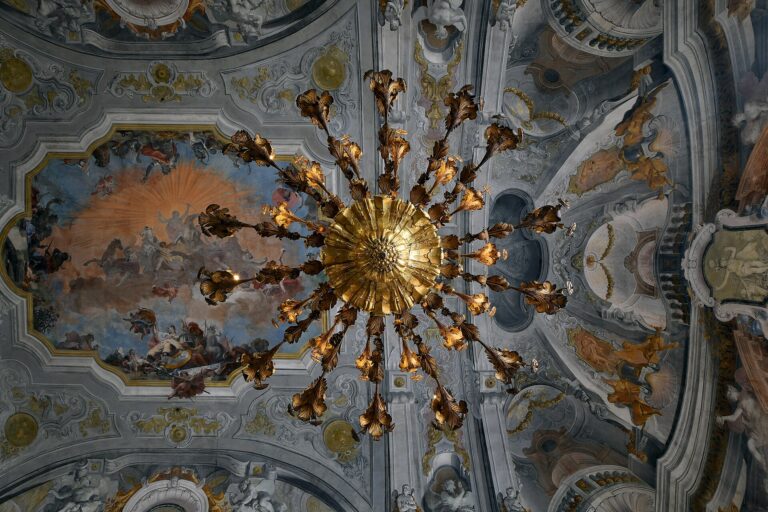
The pacing within Palazzo Grassi is likely to encourage leisurely movement, offering space to absorb the scale and nuance of the exhibitions. The classical interiors create open galleries with natural light and generous room for installations, which helps balance the demands of contemporary artworks with the historical setting. The contrast of old architectural detailing and new art installations is a constant visual interaction that can enrich visitor focus.
Interpretation and signage tend to be professional and direct, aimed at facilitating understanding without overwhelming with excessive text. This approach respects visitors’ capacity to interpret and appreciate contemporary art on their terms while providing sufficient context for works that require it. While language options for exhibition materials are usually available, visitors less familiar with contemporary art jargon might find some exhibitions intellectually demanding.
Given the contemporary art mandate, visitors should be aware that the museum often does not offer permanent collections or comprehensive overviews of historical art. Instead, it provides focused exhibitions that change regularly. This means repeat visits can reveal very different experiences but also that some visitors may find the lack of a permanent collection a limitation if they prefer traditional museum formats.
Tickets, Access, and Planning
Before planning a visit, individuals should consult Palazzo Grassi’s official website to confirm current visitor information, including opening days and hours, ticketing procedures, and any special conditions. Details such as admission fees, booking requirements, reduced rates, and guided tours will be available through official channels and can vary by season or special programming.
The palazzo’s location on the Grand Canal offers excellent public transportation access, including water buses (vaporetto), which are the primary means of getting around Venice. Walking access is straightforward from major points in the city’s historic core. As with many sites in Venice, those with mobility impairments should verify accessibility options ahead of time, as the building’s historic character may impose some limitations despite efforts to accommodate all visitors.
Visitors should also plan their time carefully, as the museum’s contemporary art focus suggests a contemplative rather than hurried approach for the best experience. The building’s layout, while spacious, is linear, so pacing oneself allows full attention to the scale and detail of exhibitions. Checking the schedule for any special exhibitions or events can help maximize the visit.
Finally, ancillary visitor services such as cafés or shops, if present, should also be confirmed in advance. These amenities can influence the overall visit but may vary with temporary exhibitions or operational adjustments. Careful preparation enhances the overall experience at Palazzo Grassi, ensuring visitors arrive with well-calibrated expectations.
Final Verdict
Palazzo Grassi represents a thoughtful intersection of historic architecture and contemporary art in one of Venice’s central cultural locations. It offers a significant venue for experiencing leading-edge artistic production within a physical environment that demands respectful engagement. The museum’s design—both architecturally and programmatically—eschews superficial spectacle in favor of considered presentation, encouraging visitors to navigate the dialogue between the old and new.
For those with a specific interest in 21st-century art and the shifting contours of today’s creative practices, Palazzo Grassi delivers exhibitions that are carefully curated and generously scaled. Its lack of a permanent historical collection might be a drawback for visitors expecting a more traditional museum experience, but this choice aligns with the institution’s contemporary focus and allows for dynamic programming that changes regularly.
The building’s grandeur, combined with its clear focus on contemporary artistic innovation, helps position Palazzo Grassi as a distinct presence in Venice’s cultural map, one that complements the city’s rich history with an ongoing conversation about art’s present and future. Visitors who value thoughtful contemporary art experiences and can manage the conceptual demands of the exhibitions will find Palazzo Grassi a worthwhile destination. Those seeking historical narrative or classical art, however, might need to consider other Venetian museums for a better fit.
Planning a visit demands some preparation, especially considering Venice’s unique logistics and the museum’s orientation. Cross-checking official sources for up-to-date information on access, exhibitions, and visitor services is advisable. The museum presents an opportunity to engage with contemporary visual culture in an unusual and elegant setting, but it asks visitors to match its seriousness and pace with their own willingness to engage.
In sum, Palazzo Grassi is neither a conventional art museum nor a traditional historical site. It is a curated space where architecture and contemporary art meet, and where visitor engagement is intended to be thoughtful and reflective rather than casual or touristic. It holds a specific appeal for collectors, critics, art students, and visitors who appreciate the intersection of history and innovation in Venice’s evolving cultural environment.