Ca’ Rezzonico Review
Art Museums · Venice, Italy. Ca' Rezzonico is an 18th-century palace situated on the Grand Canal of Venice, Italy, a city celebrated for its unique architectural heritage and rich cultural history. The palazzo itself was constructed in the mid-1700s,…
Art Museums · Venice, Italy. Ca' Rezzonico is an 18th-century palace situated on the Grand Canal of Venice, Italy, a city celebrated for its unique architectural heritage and rich cultural history. The palazzo itself was constructed in the mid-1700s,…
Best forMuseum lovers, culture travelers, first-time visitors
Review focusCollections, visitor experience, and practical planning
Historical Context
Ca' Rezzonico is an 18th-century palace situated on the Grand Canal of Venice, Italy, a city celebrated for its unique architectural heritage and rich cultural history. The palazzo itself was constructed in the mid-1700s, originally designed by Giorgio Massari, a prominent Venetian architect. It exemplifies Venetian Baroque architecture, reflecting the grand ambitions and artistic tastes of Venice's patrician families during a period when the city was navigating economic and political changes. The building remained a private residence for many years before it was acquired by the Italian government in the early 20th century and eventually transformed into a museum dedicated to eighteenth-century Venetian art and lifestyle.
Ca' Rezzonico’s conversion into a museum was part of a wider effort to preserve and showcase Venice's cultural wealth, focusing on the art, furnishings, and social history of the 1700s—the so-called "long eighteenth century," a time when Venetian culture witnessed a flowering of opulence and artistic creativity despite the city’s waning political power. The museum is administered by the Fondazione Musei Civici di Venezia (MUVE), a trust that manages many of the city’s key collections. It serves as both a monument to aristocratic Venetian life and a repository for artworks that trace Venice’s unique blend of political decline and cultural flourishment. This juxtaposition makes Ca' Rezzonico a critical site for understanding Venice’s complex historical narrative and artistic legacy.
What You See on Arrival
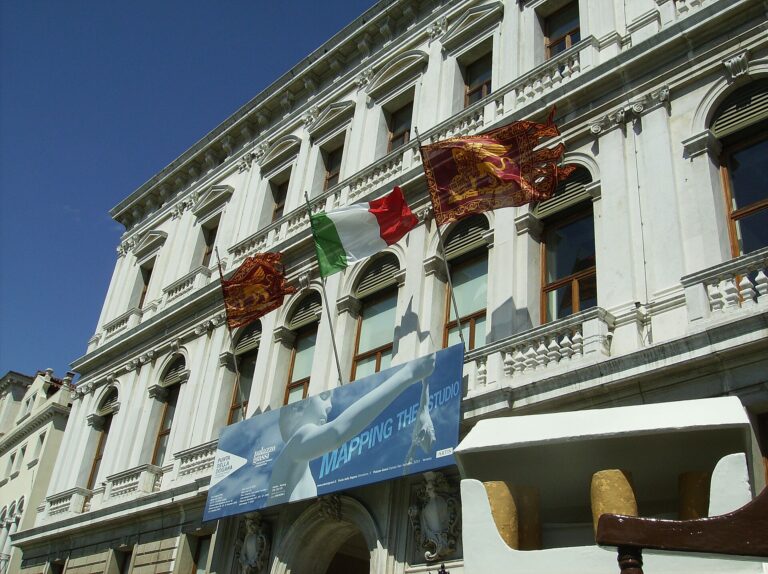
Approaching Ca’ Rezzonico, visitors encounter a grandly scaled palazzo that commands attention along the Grand Canal but retains an intimate charm typical of Venetian noble residences. The exterior is characterized by its elaborately decorated façade, a clear example of Venetian Baroque and Rococo style with intricate stonework and large windows that hint at the interior’s lavishness. The setting on the water, with gondolas and vaporetto traffic passing by, situates the building firmly within the dynamic historical context of Venice as a maritime republic and cultural crossroads.
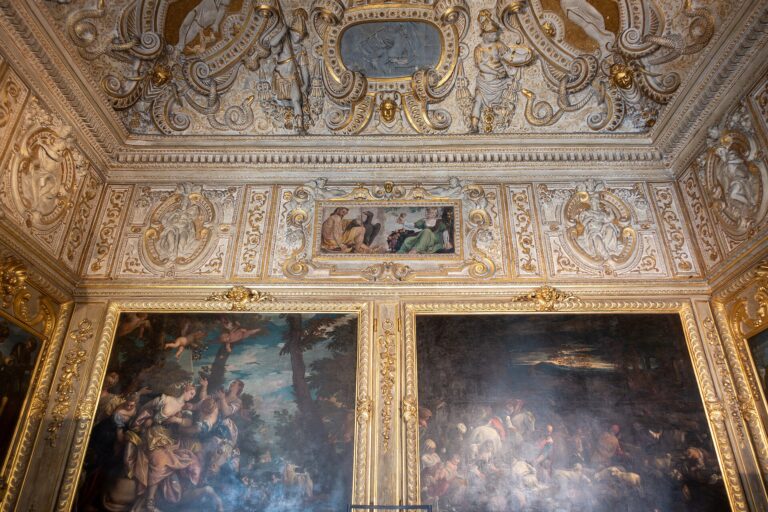
The entrance leads visitors not into a typical gallery but rather into a preserved Venetian home, maintaining original interior layouts and decorative schemes. This framing shapes the museum’s identity—it is less a conventional fine art gallery and more a comprehensive experience of eighteenth-century Venetian domestic and cultural life. Besides paintings and sculpture, display rooms contain period furniture, frescoes, chandeliers, and ornamental arts that evoke the grandeur and everyday realities of Venetian noble households. This domestic environment prepares the visitor for a narrative that is as much social and material as it is artistic, foregrounding context alongside individual works.
Highlights and Key Exhibitions
The collection at Ca’ Rezzonico is centered on Venetian art from the eighteenth century, a period rich with painters, sculptors, and decorative artists who contributed to Venice’s distinct style. It holds one of the most extensive and nuanced assortments of works from this era in the city. The museum’s holdings include major paintings by Giambattista Tiepolo, Giovanni Battista Piazzetta, and Canaletto, as well as exquisite examples of Venetian Rococo decorative arts.
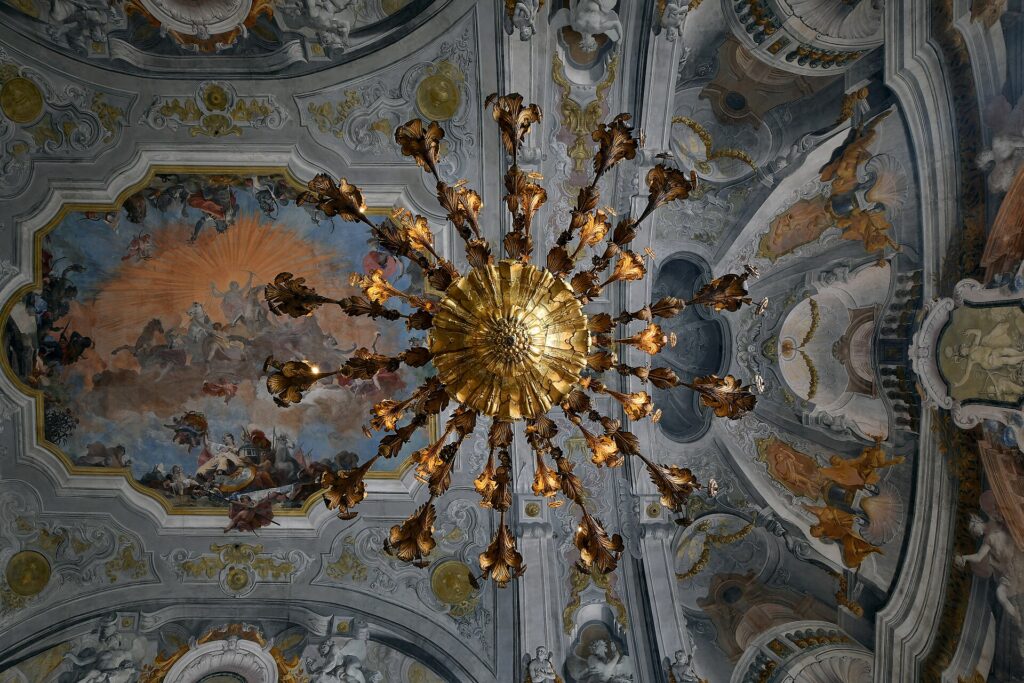
Giambattista Tiepolo’s works are among the museum’s highlights. His large-scale frescoes and canvases demonstrate a masterful use of color and dynamic composition reflective of late Baroque theatricality combined with emerging Rococo delicacy. Tiepolo’s emphasis on light, movement, and classical themes captured the optimism and worldly outlook of eighteenth-century Venice, even as its political influence declined.
Canaletto’s views of Venice, often known for precise architectural detail and luminous atmospheres, provide an important counterpoint by recording both the grandeur and everyday vibrancy of the city. These paintings have long been valued for their documentary quality as well as artistic merit.
In addition to painting, Ca’ Rezzonico holds finely carved wood furniture, glassworks, and porcelain that illustrate the intersection of art and luxury consumption. The gilded paneling, Murano glass chandeliers, and intricate marquetry all remind visitors that Venice’s eighteenth century was an age of aristocratic display and refined taste, but also commercial prowess, given the city’s global trade connections.
The museum features rooms designed as period interiors, where the integration of paintings, decorative arts, and architectural features recreates an immersive historical atmosphere. These rooms reveal the living habits and aesthetic sensibilities of Venetian patricians, supplying a material culture perspective that complements the strictly artistic.
There are also portrait collections that document the city’s elite families. These portraits, painted by well-known Venetian artists, give insight into identity, fashion, and social status during this distinctive period.
Ca' Rezzonico’s strength lies in its ability to present the artistic output of eighteenth-century Venice as embedded within a broader social and cultural fabric. It is as much a house-museum as a fine art collection, serving an educational and interpretive function that connects objects to the lives of their owners and the city’s unique history.
Visitor Experience
For those interested in the eighteenth century, the museum offers a nuanced overview of Venetian art and aristocratic life in a setting that reinforces rather than abstracts. The layout follows the palazzo’s original room sequence, so visitors encounter a gradual unfolding of artistic and decorative themes integrated with architectural features. This can make for a coherent narrative flow, especially for those with a prior interest in art history and material culture.
However, the experience may prove demanding for some visitors. The density of objects and the relatively text-heavy interpretation—which relies on wall labels and catalogues rather than multimedia or interactive displays—means that engagement depends significantly on an individual’s curiosity or preparation. Visitors less familiar with Venetian history or eighteenth-century art might find the layers of context challenging to parse during a single visit.
The lack of highly technological interpretative aids means the museum does not cater primarily to casual sightseeing or those seeking quick visual stimulation. Instead, Ca’ Rezzonico rewards deliberate viewing and reflection. Its environment retains a quiet dignity rather than theatrical spectacle, which aligns with the serious preservation of the palace as an architectural and historical artifact but may limit appeal for those accustomed to more dynamic museum styles.
The museum’s audience is likely to be art students, scholars, or travelers with a deep interest in Venice’s political and cultural history. Families and tourists looking for wide-ranging or broadly thematic exhibitions might find the focus too specialized. That said, the chance to see a preserved Venetian palatial interior alongside original artworks and furnishings is rare and invaluable to those who appreciate integrated historical environments.
Visitor flow throughout the palace tends to follow a linear path, which helps maintain order in what can otherwise be a confusing arrangement of rooms. Still, the sometimes cramped or dimly lit quarters characteristic of historical buildings may restrict ease of movement for those with limited mobility or sensory sensitivities. Visitors should consider this when planning their visit.
Tickets, Access, and Planning
Visitors intending to explore Ca’ Rezzonico should consult the official website or contact the museum for the latest information on opening hours, admission policies, and any special regulations. Venice’s museums sometimes adjust scheduling due to local events, maintenance, or changing public health measures.
Entrance usually requires a ticket, with differentiated rates applying in some cases (such as for residents or students), but precise costs are best verified directly. The museum is accessible by foot, vaporetto, or gondola, consistent with Venice’s transportation system, but those with mobility challenges should investigate access arrangements in advance, as some older palaces involve stairs and uneven flooring.
While there is often no onsite café or extensive visitor amenities within Ca’ Rezzonico itself, the museum sits amid Venice’s historic center, where dining and services are plentiful. However, during peak tourist seasons the area can become crowded, so planning visits during quieter times is advisable.
Visitors should also note that the museum’s lack of extensive audio guide options or digital resources means preparatory reading or guided tours arranged through external providers can significantly enhance understanding. The changes in exhibition content due to temporary shows or conservation work are best tracked through official channels to avoid disappointment.
Final Verdict
Ca’ Rezzonico offers a distinctive perspective on Venice’s eighteenth century, combining a valuable art collection with a preserved noble residence. Its major strength lies in illustrating the interconnectedness of art, architecture, and aristocratic life rather than presenting isolated works in abstract settings. This approach enriches appreciation for how Venetian artists and patrons shaped a unique cultural moment.
However, this integrated method also narrows appeal: those without interest in Venice or the eighteenth century may find the museum’s scope difficult to engage with fully. While the palazzo’s design and the collections are undeniably rich in detail and fine craftsmanship, they assume a degree of prior knowledge or willingness to invest time in interpretation.
Moreover, practical considerations such as limited accessibility, modest interpretive tools, and the physical constraints of an 18th-century building may affect visitor comfort and inclusivity. Prospective visitors should weigh these factors and plan accordingly.
In conclusion, Ca’ Rezzonico is an essential cultural institution for understanding Venice’s artistic and social heritage during a pivotal century. It excels in delivering historical atmosphere combined with fine art and decorative objects. For visitors prepared to engage calmly and with an eye for historical context, it is a rewarding destination. Less specialized audiences might find more general Venice museums or galleries better suited to their interests, but as a repository of eighteenth-century Venetian culture, Ca’ Rezzonico remains unmatched.